Catalonia is one of Spain's most diverse and culturally rich regions, offering rural tourists an extraordinary range of landscapes, traditions, and gastronomic experiences. From the snow-capped Pyrenees to the vine-covered plains of the interior and the rugged Costa Brava coastline, rural Catalonia rewards curious travellers with authenticity and beauty in equal measure. This complete guide will help you plan the perfect rural tourism experience in Catalonia.
The Landscapes of Rural Catalonia
Catalonia's geographical diversity is its greatest asset for rural tourism. The northern Pyrenees rise to over 3,000 metres, offering alpine meadows, glacial lakes, and medieval villages that have changed little in centuries. Moving south, the pre-Pyrenean ranges of Berguedà and Solsonès provide gentler landscapes of green valleys, limestone cliffs, and dense oak and beech forests.
The central Catalan plain is defined by vast cereal fields, ancient monasteries, and the dramatic volcanic landscape of La Garrotxa, a natural park of extraordinary geological interest. Further east, the Empordà region combines rolling hills with wetlands, cork oak forests, and proximity to the wild coves of the Costa Brava — an area that inspired Dalí and countless other artists.
Southern Catalonia offers yet another face: the Priorat wine country with its terraced llicorella slate vineyards, the Delta de l'Ebre with its vast rice fields and flamingos, and the rugged Ports de Beseit mountains straddling the border with Aragon and Valencia. Each of these regions has its own style of rural accommodation, cuisine, and tradition waiting to be discovered.
Catalan Rural Gastronomy
Rural tourism in Catalonia is inseparable from its extraordinary gastronomic culture. Catalan cuisine is one of the oldest and most respected in Europe, built on seasonal produce, olive oil, and the pa amb tomàquet (bread rubbed with tomato) that accompanies virtually every meal. Rural areas are where this cuisine is most authentic and most deeply rooted in local identity.
Visiting rural Catalonia means encountering artisan producers at every turn: farmhouse cheeses from the Pyrenees, cured meats from Vic, wines from Priorat and Penedès, hazelnuts from Camp de Tarragona, and the finest olive oil from les Garrigues. Many rural tourism areas organise markets, farm visits, and cooking workshops that allow visitors to experience this food culture first hand.
Many rural houses include access to local restaurant recommendations and can arrange for locally sourced food hampers on arrival. Some properties work directly with neighbouring farms to provide guests with fresh eggs, vegetables, honey, and dairy products throughout their stay. Eating well in rural Catalonia requires almost no effort — the quality is simply everywhere.
Cultural and Heritage Tourism in Rural Catalonia
Catalonia's rural interior is scattered with Romanesque art and architecture of world-class significance. The Boí Valley, a UNESCO World Heritage Site, contains a cluster of Romanesque churches dating from the 11th and 12th centuries with frescoes of extraordinary quality. The Vall de Cardós and Noguera Pallaresa areas are similarly rich in medieval heritage that rewards leisurely exploration.
Catalan festivals and traditions are experienced most authentically in rural areas. The Patum de Berga, another UNESCO Intangible Heritage celebration, takes place in a small mountain city that maintains its medieval carnival with passionate community involvement. Rural Catalonia also hosts sardana dancing, gegants (giant figures) processions, and castellers (human towers) at local fiestas throughout the year.
The language and culture of Catalonia are strongly preserved in rural communities where Catalan remains the primary language of daily life. Visitors who make an effort with even a few words of Catalan are warmly welcomed. This linguistic and cultural vitality makes rural Catalonia feel genuinely distinct from the rest of Spain — a small nation within a nation, proud of its identity and history.
Planning Rural Tourism in Catalonia
Catalonia's transport infrastructure makes rural tourism accessible by car throughout the region. Most rural houses are reached via well-maintained roads, though the final approach may involve mountain tracks. Barcelona's El Prat airport provides international connections, and the city itself is an excellent starting or ending point for a Catalan rural tourism circuit covering multiple regions over 7-10 days.
The Catalan Rural Tourism Association (Turisme Rural de Catalunya) maintains quality standards for registered rural accommodation, with categories ranging from simple farmhouses to luxury manor houses. Booking through reputable platforms ensures that properties meet minimum requirements for comfort, safety, and authentic rural character.
Consider combining multiple rural regions in a single trip to appreciate Catalonia's full diversity. A week might include two nights in the Pyrenees, two nights in La Garrotxa, and two nights in the Empordà — each offering a completely different landscape, cuisine, and cultural experience while remaining within the same small but extraordinarily varied autonomous community.
Practical information
Rural accommodation in Catalonia suits all budgets, from €80 per night for simple farmhouses to €800 or more for luxury manor houses. Most mid-range rural houses for groups cost between €200 and €500 per night.
Spring (April-June) and autumn (September-November) offer the most comfortable temperatures and the most colourful landscapes. Summer is ideal for mountain areas; winter suits wine country and lowland regions.
Frequently asked questions
It depends on your interests. The Pyrenees suit nature lovers and hikers. La Garrotxa is perfect for volcanic landscapes and gastronomy. The Empordà combines culture, art, and coastal proximity. The pre-Pyrenean areas of Berguedà and Solsonès offer excellent accessibility combined with authentic rural character.
Spanish is understood everywhere and English increasingly so in tourist areas. However, making an effort to say a few words in Catalan — gràcies (thank you), bon dia (good morning) — is warmly appreciated by locals and instantly creates a more positive and authentic experience during your rural stay.
The Generalitat de Catalunya (Catalan regional government) maintains an official registry of certified rural tourism accommodation. Look for properties displaying the official Turisme Rural de Catalunya quality mark, which guarantees minimum standards of comfort, authenticity, and safety.
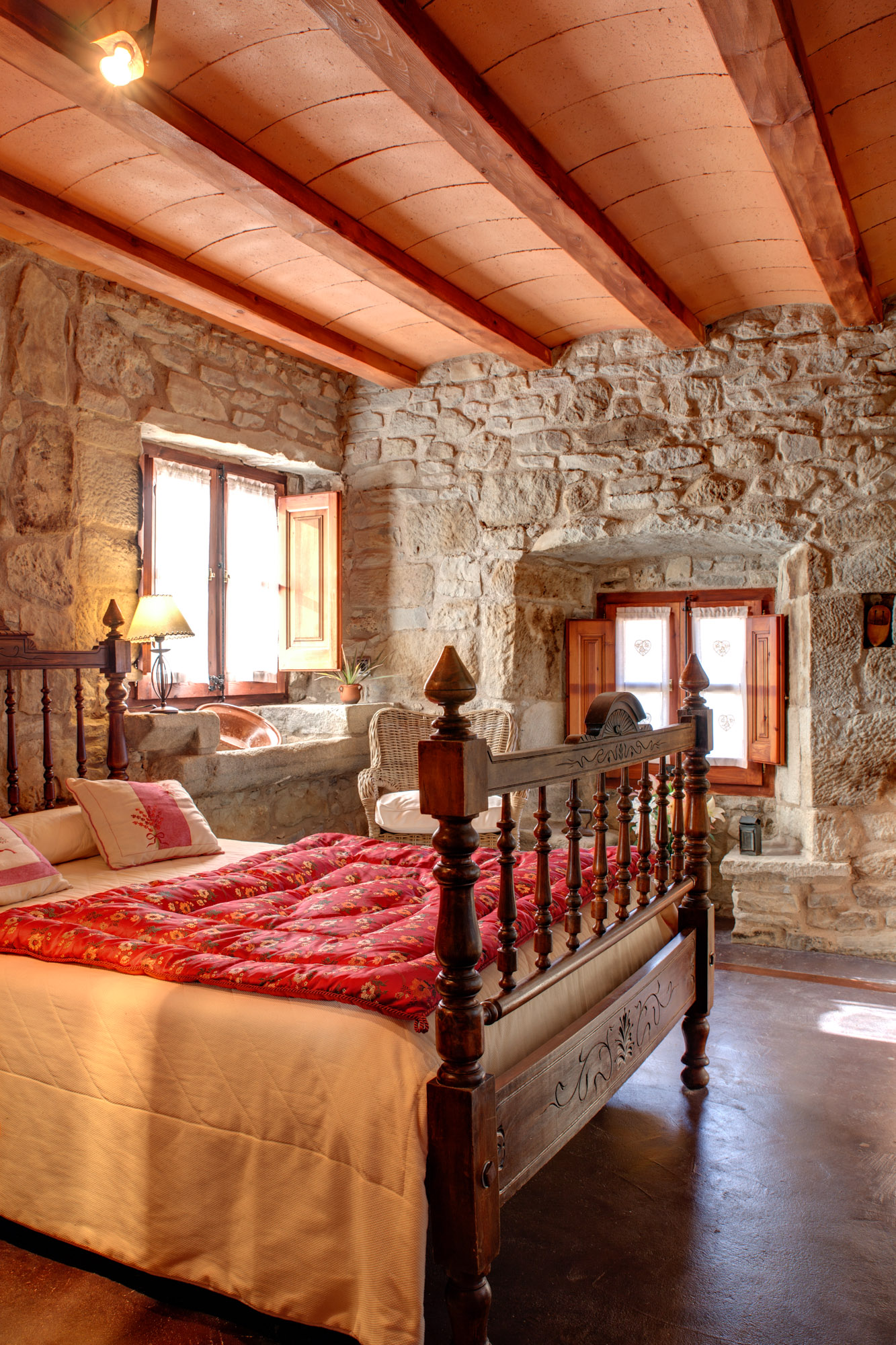
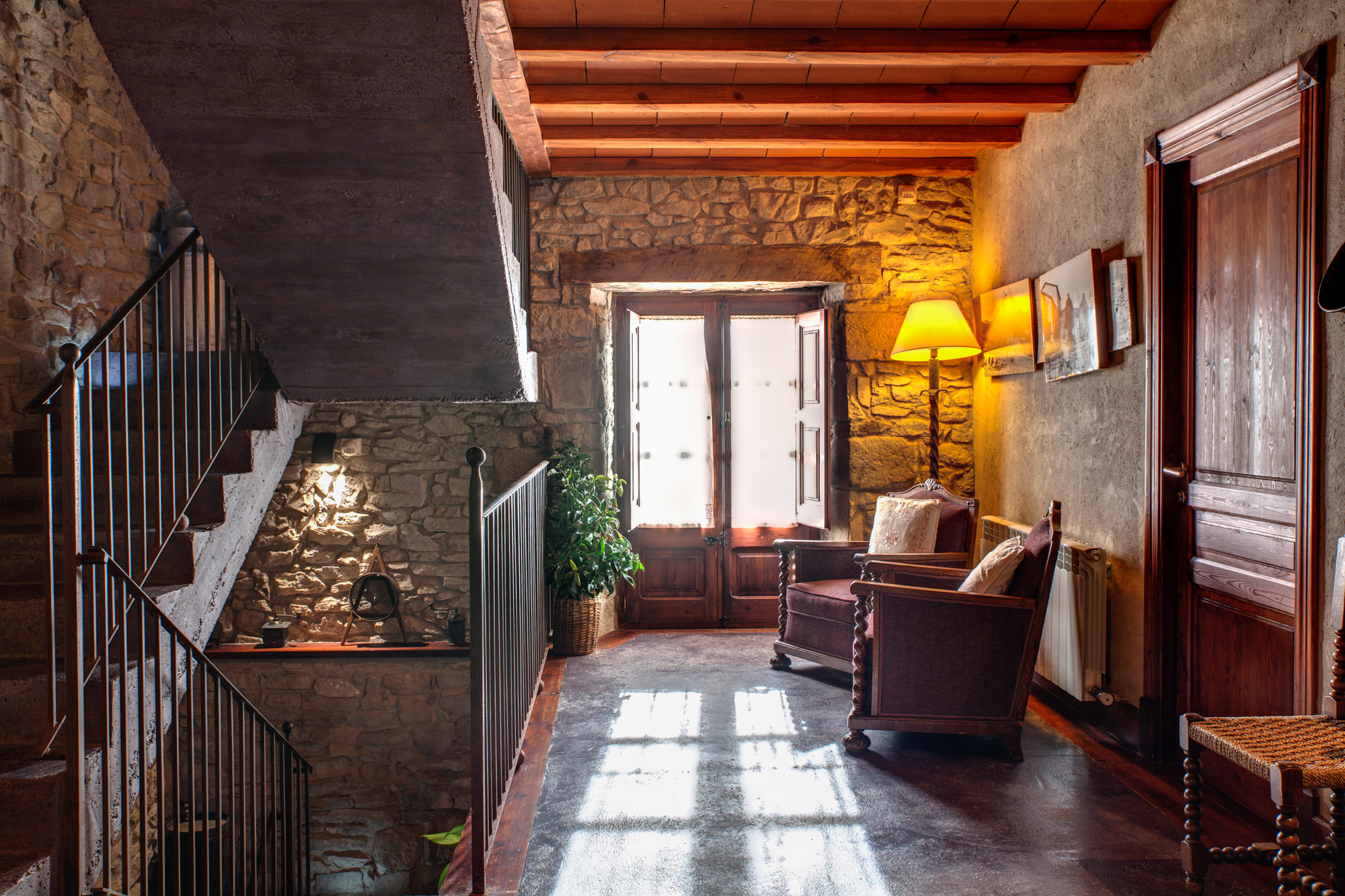
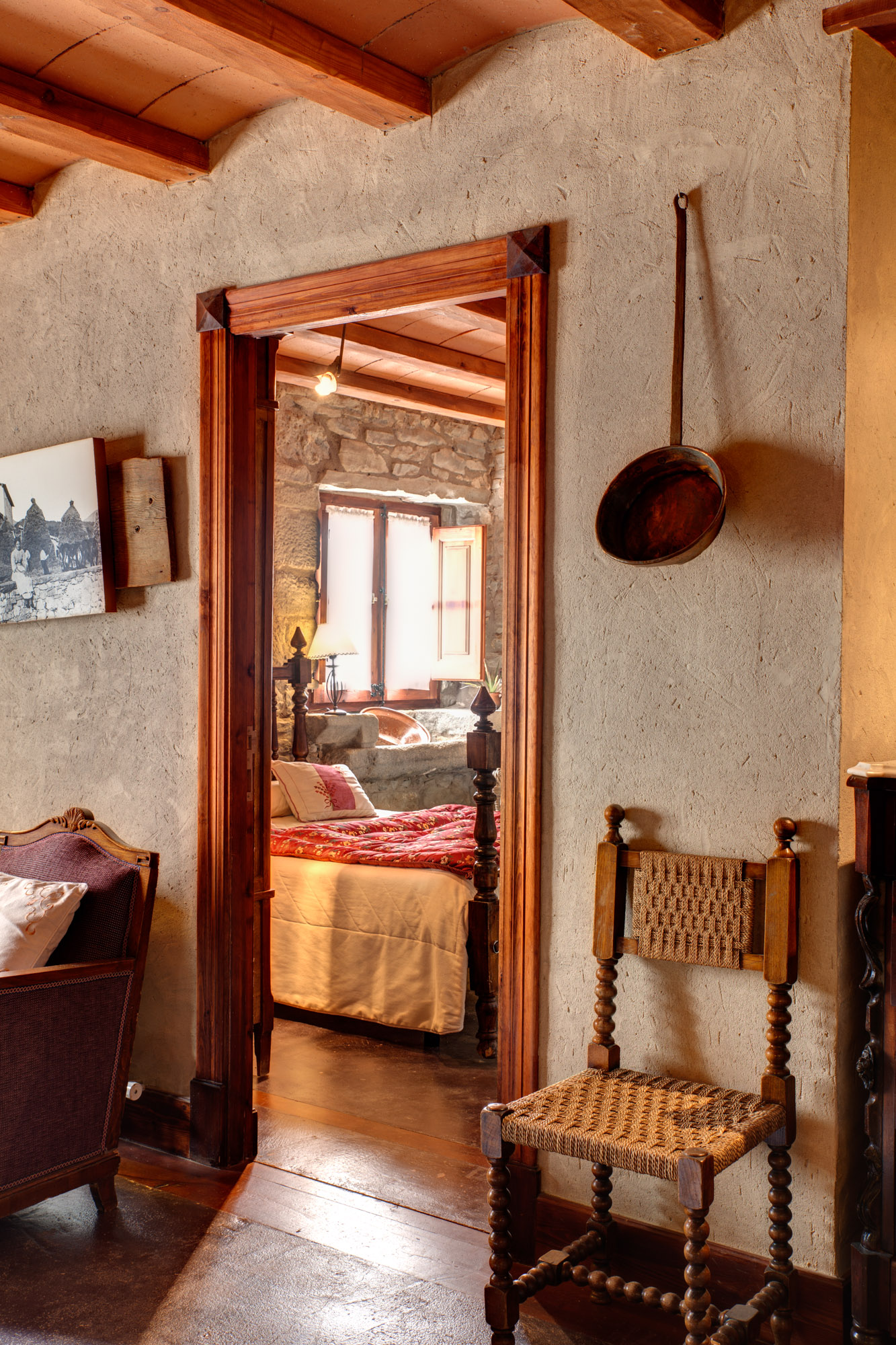
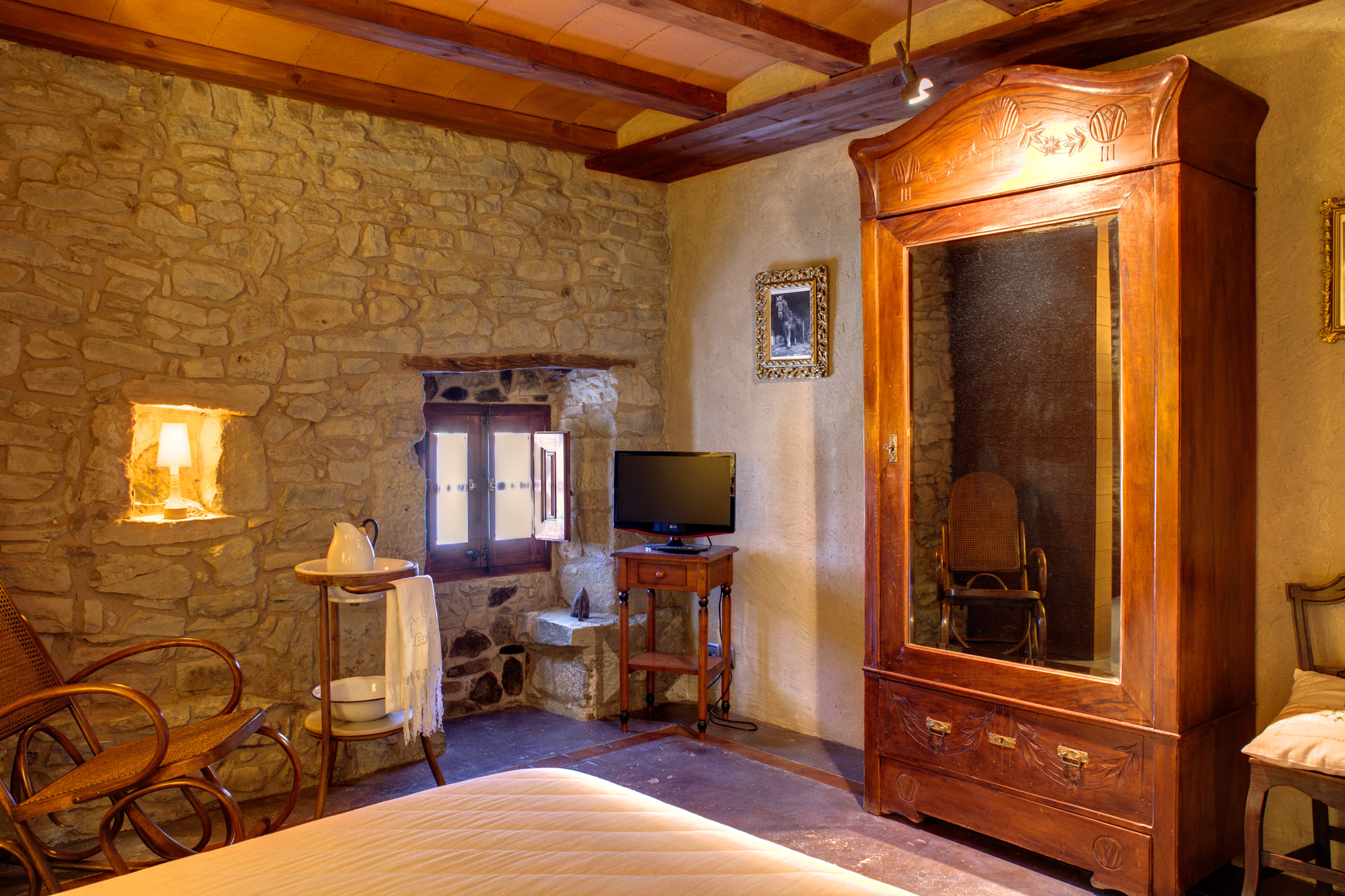
Discover Berguedà from La Tor de Montclar
15th-century farmhouse with indoor pool, ideal for groups of up to 20 guests
Check availability