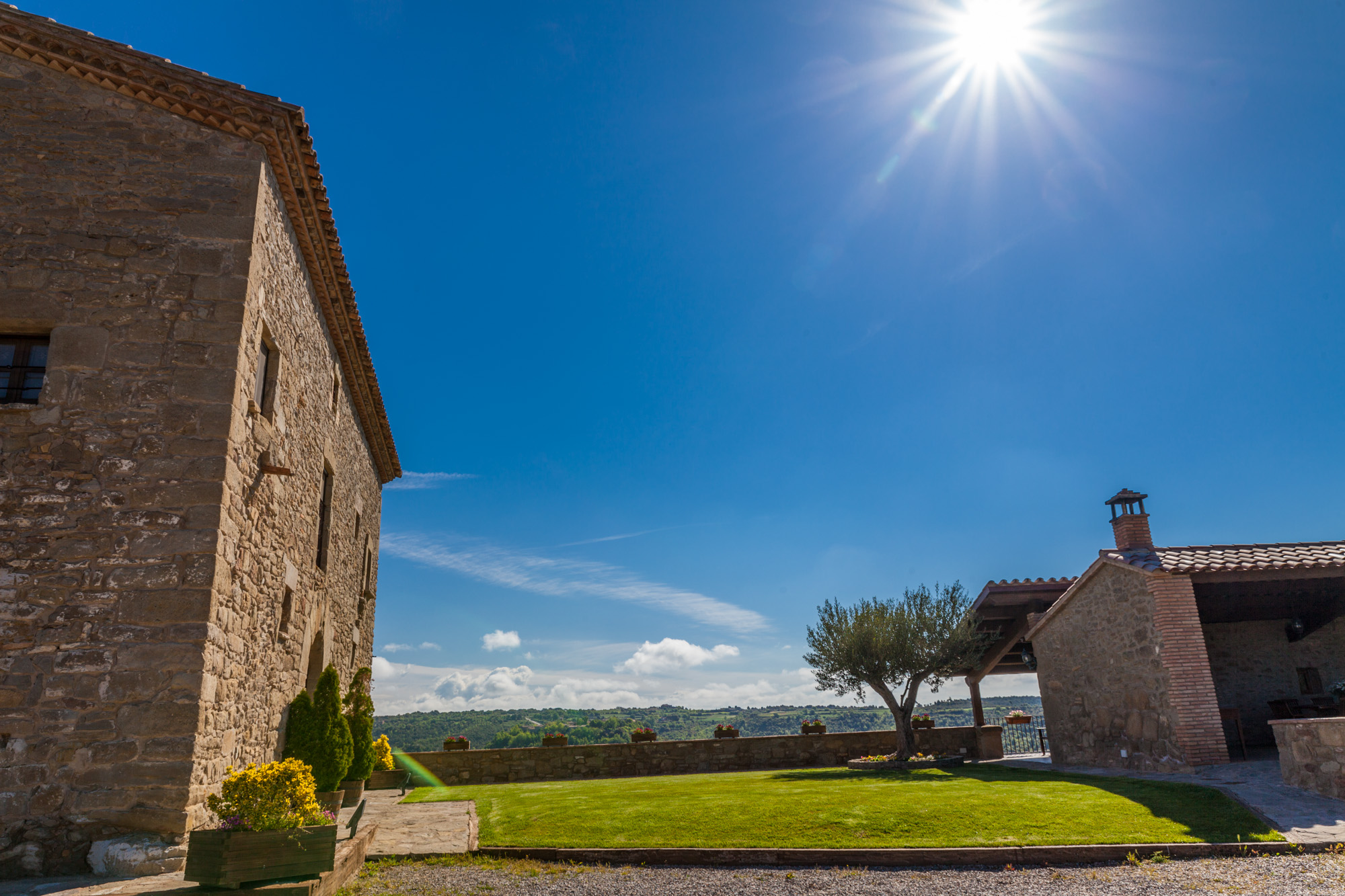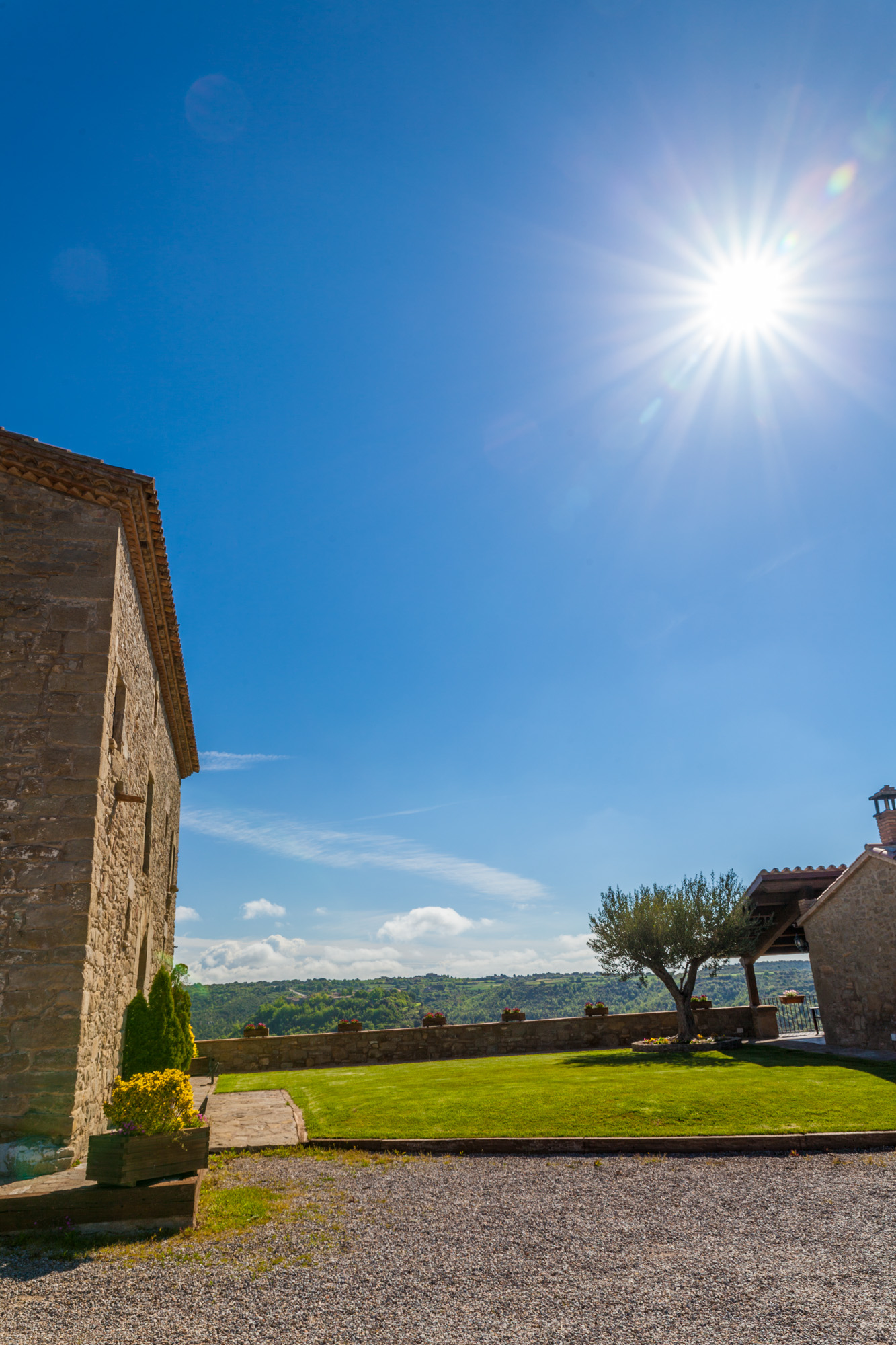
First communions and christenings represent significant religious and family milestones requiring appropriate celebration. For international Catholic families in Spain or visitors planning these sacraments during Spanish stays, La Tor de Montclar offers an alternative to commercial event venues: a family-friendly rural masia where religious tradition meets Catalan hospitality with space for children to play freely and extended family to gather comfortably.
Understanding Spanish First Communion and Baptism Traditions
Religious celebration practices in Spain differ from other Catholic countries, influencing how families plan these milestone events:
First Communion in Spanish Culture: Primera Comunión typically occurs around age 8-9 after religious preparation (catequesis). Spanish first communions are major celebrations, often rivaling small weddings in formality and expense. Children dress in formal attire—girls in white dresses resembling wedding gowns, boys in sailor suits or small suits. Family celebrations include elaborate meals, gifts for the communicant, and detalles (small gifts given to guests as thank-you mementos).
Timing concentrates in May-June after Easter preparations conclude, creating intense demand for celebration venues during this period. Spanish families traditionally celebrate with restaurant lunches or dinners for extended family (20-40 people typical), making La Tor de Montclar's 20-person capacity suitable for more intimate family-focused celebrations rather than massive extended-clan gatherings.
Baptism Celebrations: Bautizo (baptism/christening) occurs from infancy through early childhood depending on family practices. Spanish baptism celebrations tend to be smaller than communions—immediate family and godparents typically—though some families host larger receptions. Timing is flexible throughout the year, with spring and autumn popular for pleasant weather during post-ceremony gatherings.
Regional Romanesque Churches: The Berguedà region contains numerous medieval Romanesque churches—simple stone structures dating to 10th-13th centuries with remarkable historical and architectural significance. Arranging baptisms or communions (if religious preparation occurred elsewhere) in these historic churches adds special meaning, particularly for families with Catalan heritage or those seeking authentic Spanish religious experiences. Nearby parish priests can advise on availability and requirements for non-parishioner ceremonies.
Planning the Celebration Day
Successful communion and baptism celebrations at the masia balance religious solemnity with joyful family gathering:
Ceremony Logistics: Coordinate with local parishes in Berga or surrounding villages for ceremony scheduling. Most Spanish religious ceremonies occur late morning (11 AM-12 PM typical) or late afternoon (6-7 PM). Post-ceremony reception at the masia works for both timings—late morning ceremonies followed by lunch beginning around 2 PM, or afternoon ceremonies followed by evening dinners starting 8-9 PM.
Transportation between church and masia requires planning. Berga is 15 km from Montclar (15-minute drive), while smaller village churches may be closer or similar distances. Arrange carpools or hire a small bus if many guests lack cars. Build 30-45 minutes between ceremony conclusion and masia meal start for travel time, photo taking at the church, and guest arrival at the property.
Masia Reception Setup: The property offers multiple celebration formats:
- Garden lunch/dinner: Set up long tables in the gardens for outdoor dining during warm months (May-September). String up decorative banners or bunting, use floral centerpieces, and create designated areas for children to play while adults enjoy extended meals.
- Indoor dining room: The stone dining room with fireplace provides elegant indoor alternative for cooler weather or backup if unexpected rain disrupts outdoor plans. The rustic architecture needs minimal decoration—simple flowers and candles complement rather than compete with the historical atmosphere.
- Combination approach: Serve cocktails/appetizers in the garden where children can run freely, then move to indoor dining room for the formal meal, returning outside for dessert and post-meal socializing.
Menu Planning: Traditional Spanish communion meals feature multiple courses served over 3-4 hours. Typical sequences include appetizers (entrantes), seafood or soup course, meat main (roasted lamb is traditional), desserts, and coffee with licores (digestifs). Local Berga caterers prepare traditional menus (€30-50 per person) delivered to the masia, or families can prepare meals themselves using the professional kitchen. Consider children-friendly options alongside adult fare—plain pasta, chicken fingers, or pizza keeps young attendees happy while adults enjoy elaborate dishes.
Activities and Entertainment for Children
Communion and baptism celebrations include children of various ages requiring entertainment beyond the meal itself:
Outdoor Play Spaces: The extensive gardens provide safe play areas where children run, explore, and entertain themselves while adults enjoy extended meals. Natural features—trees for climbing (supervised), meadow areas for running games, and garden paths for exploring—engage children more successfully than urban venues where kids are confined to small designated areas.
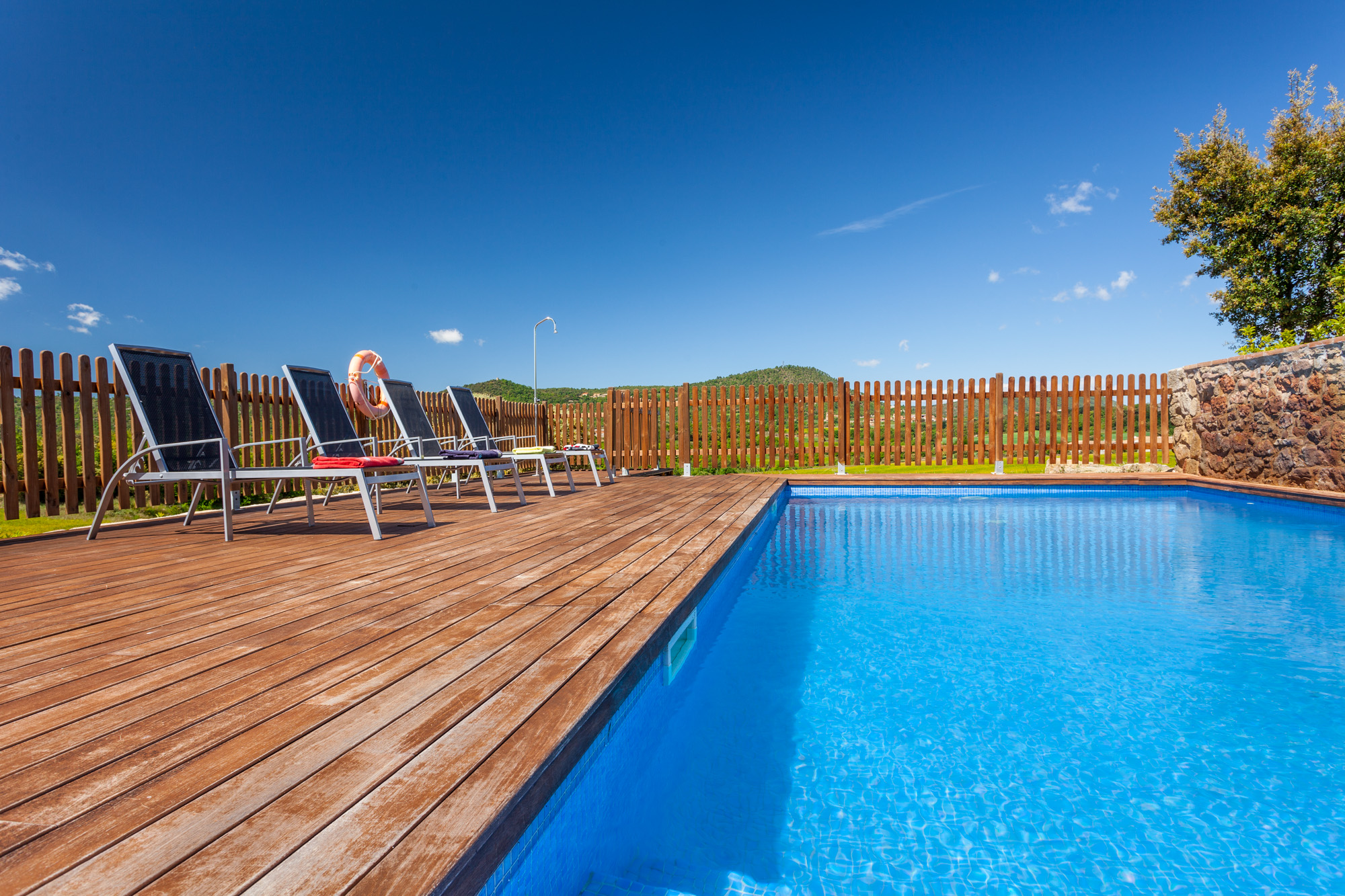
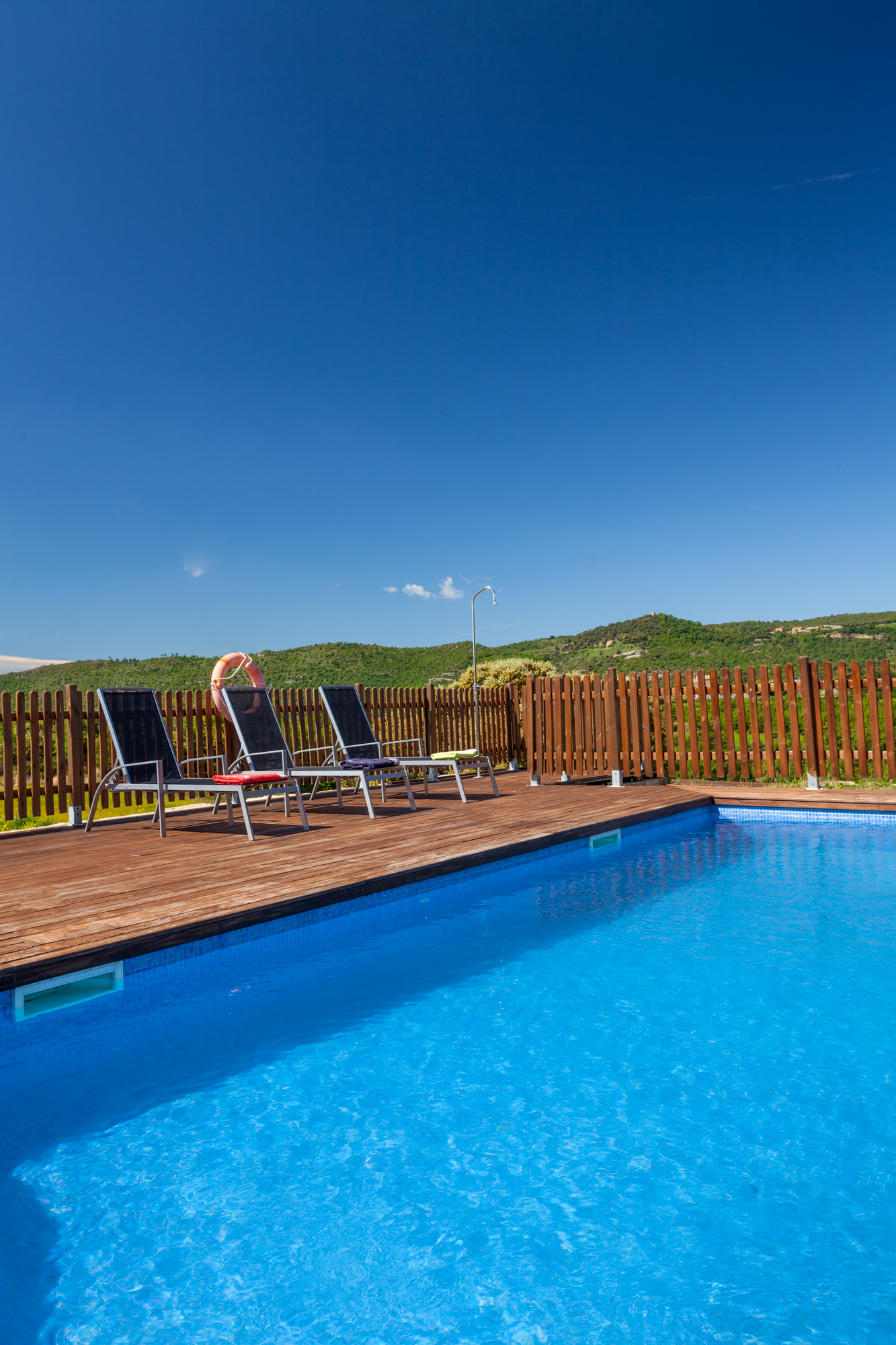
Pool Access: The outdoor pool (May-September) becomes an irresistible attraction for children. Parents should bring swimwear for kids, plan supervision rotations, and expect that most children will want to swim at some point. The heated indoor pool provides year-round swimming alternative, particularly valuable for spring or autumn celebrations when outdoor temperatures may not support comfortable swimming.
Games Room: The pool table and ping-pong provide entertainment for older children and teenagers who may find religious celebrations and adult conversations boring. Setting up a games room supervision system (rotating teenagers watch younger children) gives teens valued responsibility while freeing adults to socialize.
Organized Activities: Consider planning 1-2 structured children's activities:
- Treasure hunt through the gardens with small prizes
- Craft station for making communion-themed art projects
- Face painting or balloon artist (hire local entertainers)
- Group games like relay races or soccer in the garden
Screen-Free Environment: The property's rural location with limited cell coverage and absence of televisions (bring devices if desired) creates natural screen-free time increasingly rare for children. Many families find children engage more creatively and socially without constant device access.
Accommodating International and Multi-Cultural Families
International Catholic families often blend religious traditions with various cultural backgrounds, requiring thoughtful integration:
Language Considerations: Spanish religious ceremonies conduct in Spanish or Catalan. For families with non-Spanish-speaking relatives (grandparents from Ireland, UK, Philippines, etc.), consider:
- Requesting bilingual ceremonies (some priests accommodate this)
- Providing translated ceremony programs explaining each liturgical element
- Assigning bilingual family members to sit with non-Spanish speakers for informal translation
Dietary and Religious Accommodations: Extended families may include members with dietary restrictions—vegetarian relatives, food allergies, halal or kosher requirements if interfaith marriages brought diverse religious practices. The self-catering kitchen provides flexibility for preparing varied menus simultaneously, while caterers can accommodate specified dietary needs with advance notice.
Cultural Gift Traditions: First communion gift-giving varies across cultures. Spanish tradition includes both gifts to the communicant (often religious items, jewelry, or money) and detalles from the family to guests (small tokens like rosaries, prayer cards, or candy). International families might blend these with practices from other cultures—Filipino pasalubong (gifts for guests), Irish money gifts, or American party favor traditions. Explain your family's gift expectations clearly to prevent confusion or awkwardness.
Photography and Documentation: Hire a bilingual photographer familiar with both Spanish religious ceremonies and your cultural background ensures capturing the moments that matter to your specific family. Provide the photographer with a "must-capture" list including both standard communion photos (formal portraits, church moments) and family-specific important shots (particular relatives, cultural traditions, candid moments).
Budget Considerations for Religious Celebrations
Communion and baptism celebrations can range from simple family meals to elaborate productions. Establish realistic budgets matching your priorities:
Basic Celebration (€1,500-2,500 for 20 people):
- Weekend masia rental: €1,800-1,960
- Self-catered meal using supermarket ingredients: €300-500
- Simple decorations: €50-100
- Church donation: €50-100
- Communicant outfit: €100-300 (purchased separately)
Mid-Range Celebration (€2,500-4,000 for 20 people):
- Weekend masia rental: €1,800-1,960
- Catered menu delivered: €600-1,000
- Professional photographer (4 hours): €300-500
- Floral decorations: €150-250
- Detalles for guests: €100-150
- Church donation: €100
Premium Celebration (€4,000-6,000 for 20 people):
- Weekend masia rental: €1,800-1,960
- Private chef preparing multi-course meal: €1,200-1,800
- Professional photographer (full day): €500-800
- Elaborate floral and decorative design: €400-600
- Live musicians for reception: €300-500
- Premium detalles: €200-300
Most families fall in the mid-range category, balancing special-occasion celebration with financial restraint. Remember that the religious significance matters more than lavish spending—simple authentic celebrations often create more meaningful memories than expensive productions.
Practical information
From €1,800 per weekend (up to 16 guests), €40/additional person
May-June for communions, year-round for baptisms
Discover Berguedà from La Tor de Montclar
15th-century farmhouse with indoor pool, ideal for groups of up to 20 guests
Check availability