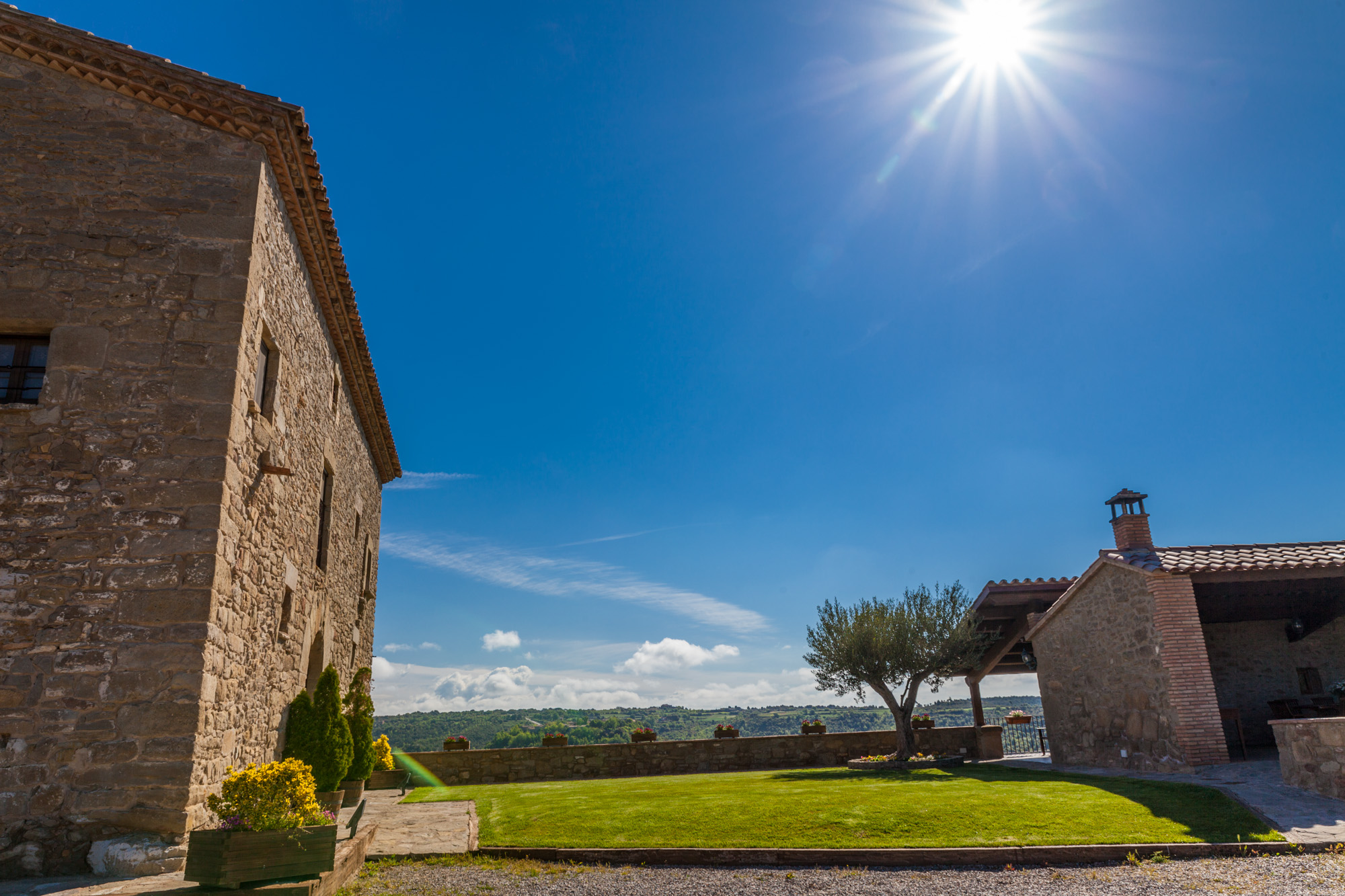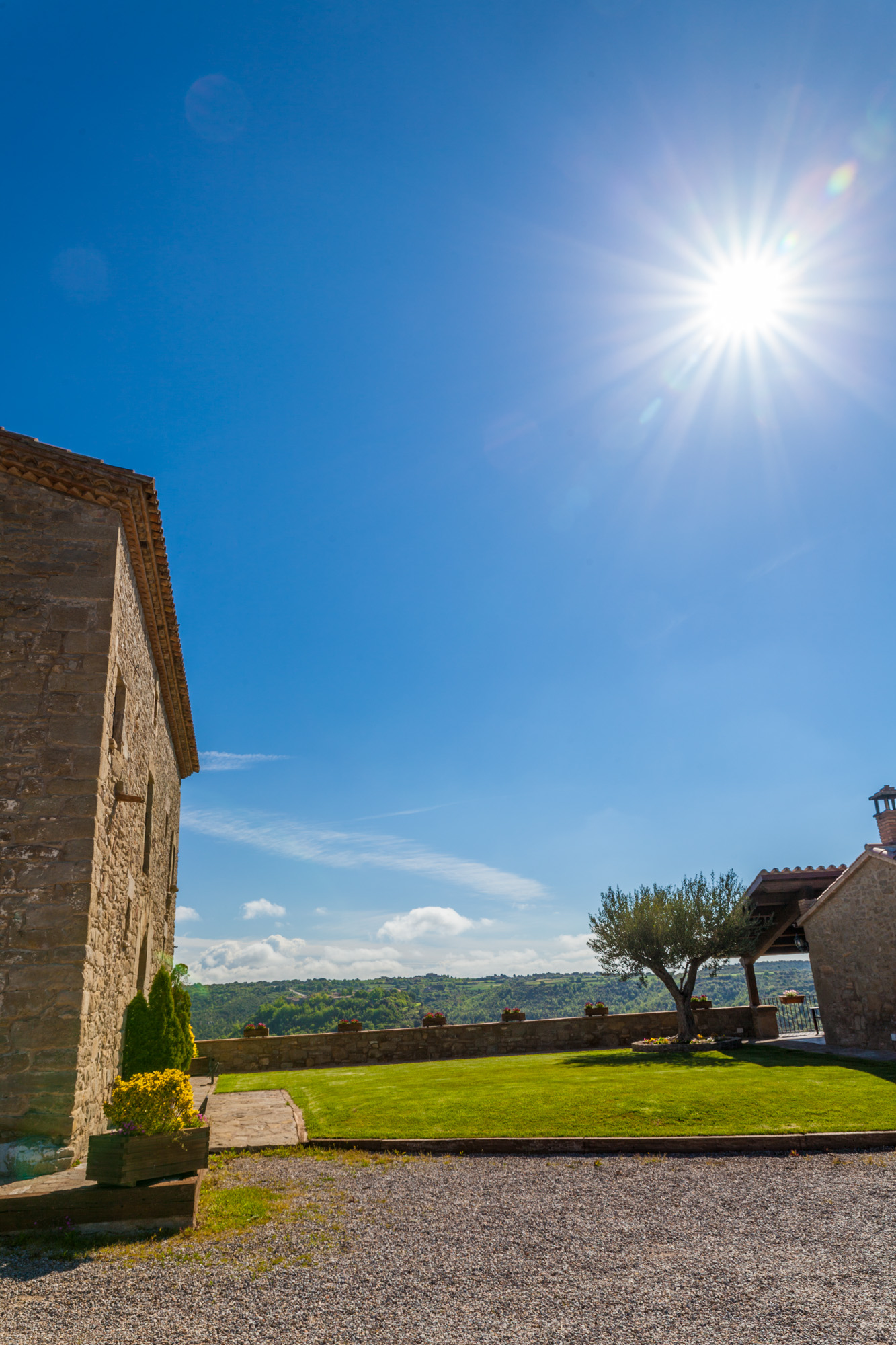
International families living in Europe or considering a European Christmas experience face challenges finding authentic holiday accommodations that balance tradition, comfort, and meaningful family time. La Tor de Montclar, a 15th-century Catalan masia, offers families the opportunity to experience Christmas in rural Spain with exclusive property access, space for extended family, and immersion in regional holiday traditions.
The Spanish Christmas Timeline and Traditions
Understanding Spanish Christmas customs helps international families plan meaningful holiday experiences. Spanish Christmas extends from December 24th through January 6th (Epiphany), significantly longer than the Anglo-American December 25th-26th focus.
December 24th - Nochebuena (Good Night): The main Christmas celebration occurs Christmas Eve with family gathering for an elaborate dinner beginning around 9-10 PM. Traditional Catalan Nochebuena includes seafood (prawns, langostines), roasted lamb or capon, and escudella i carn d'olla—a hearty stew with meat, vegetables, and large pasta shells called galets. Families attend Midnight Mass (Misa del Gallo) if religious, returning for post-mass treats and conversation extending into early morning hours.
December 25th - Nadal (Christmas Day): Unlike Anglo-American traditions where Christmas morning features present opening and big meals, Spanish December 25th is typically quieter. Families sleep late after Nochebuena celebrations, have leisurely breakfast, and spend low-key time together. Gifts are traditional but less emphasized than in northern European Christmas—Spanish children historically receive gifts on January 6th from the Three Kings rather than December 25th from Santa Claus, though modern practices blend both.
December 26th - Sant Esteve (Saint Stephen's Day): Catalonia celebrates Sant Esteve as a major holiday when the rest of Spain does not. The flagship dish is canelons (cannelloni) traditionally made with leftover Nochebuena meats combined with béchamel and tomato sauce. Preparing canelons together on Sant Esteve afternoon represents a cherished Catalan family tradition worth experiencing.
December 31st-January 1st: New Year's follows its own traditions (see related New Year's Eve article).
January 6th - Reis (Three Kings' Day/Epiphany): This represents the traditional Spanish gift-giving day. The evening before (January 5th), cities hold Three Kings parades. January 6th morning, children find gifts left by the Kings. The special dessert is tortell de reis (Kings' cake) containing hidden surprises.
Families booking La Tor de Montclar for Christmas can choose which traditions to embrace based on their length of stay and cultural interests.
Creating Multi-Cultural Christmas Celebrations
International families at the masia often blend home country traditions with Spanish customs, creating hybrid celebrations richer than either alone:
Decorating the Masia: The property's rustic architecture provides an ideal canvas for Christmas decorations. Traditional Catalan Christmas includes pessebre (nativity scenes with elaborate figurines including the scatological caganer figure unique to Catalonia), tió de Nadal (Christmas log that children ritually "beat" to produce treats), and greenery. Many international families bring familiar decorations from home countries—British crackers, German wooden pyramids, Scandinavian stars—creating eclectic displays reflecting family heritage. The fireplace mantel, long dining table, and stone walls accommodate diverse decorative styles.
Christmas Meal Fusion: The professional kitchen supports ambitious cooking projects. Consider preparing one traditional Catalan Christmas dish (escudella or canelons) alongside family recipes from home countries—British roast turkey and Christmas pudding, American green bean casserole and pumpkin pie, German stollen, Nordic gravlax. This culinary diversity creates opportunities to share cultural traditions through food while introducing children to their multi-cultural heritage.
Gift Exchange Adaptations: Families might blend the December 25th gift-opening familiar to Anglo-American children with Spanish January 6th traditions. Smaller gifts on December 25th followed by major presents on Three Kings' Day extends the holiday magic. Or adopt the Catalan tradition of gift books on Sant Jordi's Day (April 23rd) rather than Christmas, focusing Christmas on experiences and togetherness rather than material consumption.
Christmas Music and Entertainment: Bring instruments if family members play music. Spanish Christmas carols (villancicos) blend with carols from other traditions around the fireplace. The games room supports family tournaments—pool table or ping-pong championships with small prizes. Evening board games, movie screenings in the dining room, or storytelling sessions create screen-free quality time increasingly rare in modern holidays.
Practical Christmas Planning for International Families
Successfully orchestrating Christmas at the masia requires advance planning addressing logistics, provisions, and schedules:
Booking Timeline: Christmas dates (December 23-27) book 12-18 months in advance. The property requires minimum 3-4 night stays during Christmas week, typically December 23-27 or December 24-28. Extended bookings through New Year's create week-long Christmas holidays but require very early reservation (18-24 months ahead).
Grocery Shopping and Provisions: Major grocery shopping should occur before arrival or on December 23rd, as many shops close December 25th-26th with limited hours December 24th. Berga (15 km from Montclar) has supermarkets including Mercadona, Esclat, and smaller specialty shops. For international ingredients not available locally (specific British brands, American baking supplies, particular Asian ingredients), shop in Barcelona before driving to the masia or bring items from home countries.
Order specialty Christmas items in advance: fresh turkeys or capons from Berga butchers require pre-ordering; artisan turrons (nougat) and neules (thin wafer cookies) are widely available but premium varieties sell out; quality cava (Spanish sparkling wine) for toasts is inexpensive (€5-15 per bottle for good quality) and available everywhere.
Catering Options: Several approaches work depending on your cooking enthusiasm and budget:
- Full self-catering: Purchase all ingredients and prepare every meal (most economical, roughly €25-35 per person per day for quality ingredients)
- Hybrid approach: Self-cater simple meals (breakfasts, light lunches) while ordering Nochebuena dinner from Berga caterers (€35-50 per person for traditional Christmas menu delivered December 24th)
- Private chef: Hire a chef for 1-2 major meals while handling other meals yourselves (€70-100 per person for chef-prepared Nochebuena or Sant Esteve dinner)
Heating and Comfort: December temperatures in Berguedà range 0-10°C (32-50°F). The masia includes central heating and fireplace heating. Inform guests to bring warm layers for outdoor activities and comfortable indoor clothing. The heated indoor pool operates year-round, providing children (and adults) entertainment regardless of weather. Bedrooms maintain comfortable temperatures though some international visitors accustomed to higher heating settings may want extra blankets (available on request).
Christmas Activities for All Ages
Beyond meals and gift exchanges, plan activities that create lasting Christmas memories for the entire extended family:
For Young Children (Ages 2-10): Christmas at a farmhouse excites young children accustomed to urban apartments. The extensive gardens allow outdoor play (dress warmly). Create treasure hunts hiding small treats around the property. The heated pool provides daily entertainment—Christmas Day swimming becomes a unique tradition. Baking Christmas cookies in the large kitchen lets children participate in holiday preparations. Nature walks collecting pine cones, holly, or other winter botanicals for crafting projects combines outdoor activity with creative indoor time.
For Teenagers (Ages 11-17): Involve teens in meal preparation, giving them ownership over specific dishes or desserts. Photography challenges—documenting family Christmas through teen perspectives—engage their interests. If snow conditions permit, nearby areas offer snowshoeing or sledding. The games room provides hangout space when social time with younger cousins or adults feels overwhelming. Including teens in menu planning and activity decisions increases their engagement rather than treating them as passive participants.
For Adults: Winter hiking in the Berguedà mountains provides exercise and stress relief during intense family time. Trails around Montclar offer 1-3 hour walks with spectacular mountain views. The fireplace room creates natural gathering spots for adult conversations while children play elsewhere. Wine tastings featuring Catalan wines educate palates while creating festive atmospheres. Collaborative cooking projects for major meals—some adults preparing mains while others handle sides and desserts—balance labor and create opportunities for conversation and teamwork.
For Seniors: Ground-floor bedrooms ensure accessibility for elderly family members. Comfortable seating near the fireplace allows participation in family activities without physical demands. Shorter walks on paved paths around Montclar village provide gentle exercise. Including grandparents in cooking traditional recipes from their youth preserves family culinary heritage while giving them valued roles. Evening story-telling sessions where grandparents share Christmas memories from their childhoods create intergenerational connections increasingly rare in modern families.
Cost Considerations for Extended Family Christmas
Christmas holidays at La Tor de Montclar require transparent financial planning that respects diverse family economic situations:
Base Costs for Typical 4-Night Christmas Stay (Dec 23-27, 20 people):
- Accommodation: €3,400-4,000 (4 nights)
- Food and provisions: €2,000-3,500 (depending on catering vs. self-catering)
- Beverages (wine, cava, spirits, soft drinks): €400-600
- Activities and entertainment: €200-400
- Decorations and supplies: €100-200
- Total: €6,100-8,700 for 20 people = €305-435 per person for entire 4-night holiday
Cost-Sharing Models: Extended families use various approaches to divide expenses equitably:
- Per-Family-Unit Model: Each nuclear family (couple with children, single parent with children, individual adult) pays equal shares regardless of size. Three families split costs three ways even if family sizes differ. This recognizes that larger families contribute more to group dynamics and accommodation pressure.
- Per-Person Model: Divide total costs by number of people, with children under 12 charged half-rates recognizing lower food consumption. This mathematical approach feels fairest to smaller family units.
- Subsidized Model: One generation (often middle-aged children) covers accommodation costs for elderly parents while everyone else splits their own share. This honors parents/grandparents while distributing costs among working-age adults.
- Gift Model: One family member treats the extended family to Christmas at the masia as their gift, eliminating per-person charges but requiring significant individual generosity.
Comparative Value: Hotels in Barcelona or ski resorts charge €150-300 per room per night during Christmas week. For 20 people requiring 7-8 hotel rooms over 4 nights at €200 average, accommodation alone costs €5,600-6,400 without any common spaces, kitchens, or privacy. The masia provides better value with superior space and family bonding opportunities.
Making Spanish Christmas Meaningful for International Children
Children in international families benefit from exposure to diverse cultural traditions, making Spanish Christmas at the masia an educational opportunity beyond simple vacation:
Pre-Trip Cultural Preparation: Before arriving, read books about Spanish Christmas traditions, watch videos of Three Kings parades, or learn simple Spanish Christmas carols. This preparation helps children understand what they'll experience and creates anticipation.
Hands-On Cultural Participation: Include children in preparing traditional Catalan dishes rather than just serving them finished meals. Let children help make canelons on Sant Esteve, explaining the tradition's significance. If using tió de Nadal, let children participate in the ritual "beating" and "feeding" of the log. These interactive traditions engage children more effectively than passive observation.
Language Exposure: Use simple Spanish and Catalan phrases during the holiday—"Bon Nadal" (Merry Christmas), "Bon profit" (enjoy your meal), numbers for counting in Spanish. Children absorb language naturally through context, and holiday vocabulary is manageable and memorable.
Documenting the Experience: Give older children disposable cameras or phones to document their Spanish Christmas from their perspective. Create a family photo album or video compilation after the holiday, reinforcing memories and creating artifacts children can share with friends, building pride in their multi-cultural experiences.
Connecting Traditions to Family Heritage: Explain how the family's various cultural backgrounds contribute to how you celebrate. If family includes British, Spanish, and American branches, children learn their identity encompasses multiple traditions rather than choosing one "correct" way to celebrate. This cultural flexibility prepares children for increasingly globalized futures.
Practical information
Contact for Christmas week pricing (3-4 night minimum, premium rates apply)
December 23-27 for traditional Christmas; extended through January 6 for full Spanish Christmas season
Discover Berguedà from La Tor de Montclar
15th-century farmhouse with indoor pool, ideal for groups of up to 20 guests
Check availability