Spiritual Retreats at La Tor: Meditation and Contemplation in the Berguedà Pre-Pyrenees
La Tor de Montclar, a 15th-century farmhouse in Berguedà rented as a whole and exclusively, offers a calm setting for spiritual retreats, where seekers can step away from worldly distractions and turn inward. Whether you follow a specific religious tradition, practise secular mindfulness, or simply seek silence and solitude for reflection, the house offers the space, the privacy of having it all to your group, and the solidity of centuries-old architecture.
Want to celebrate here? Get in touch to talk about your celebration at La Tor de Montclar. Request information
The Sacred Geography of Mountains
Mountains have been pilgrimage destinations and spiritual retreat locations across cultures and centuries. Their scale invites humility, their beauty inspires awe, and their permanence suggests something beyond temporal concerns. The Pyrenees have historically been places of hermitage, monasticism, and spiritual seeking, a tradition that continues today.
Berguedà's countryside invites the same contemplative quality. The natural rhythms—sunrise, clouds moving across the sky, stars overhead—connect retreatants to cycles beyond human control.
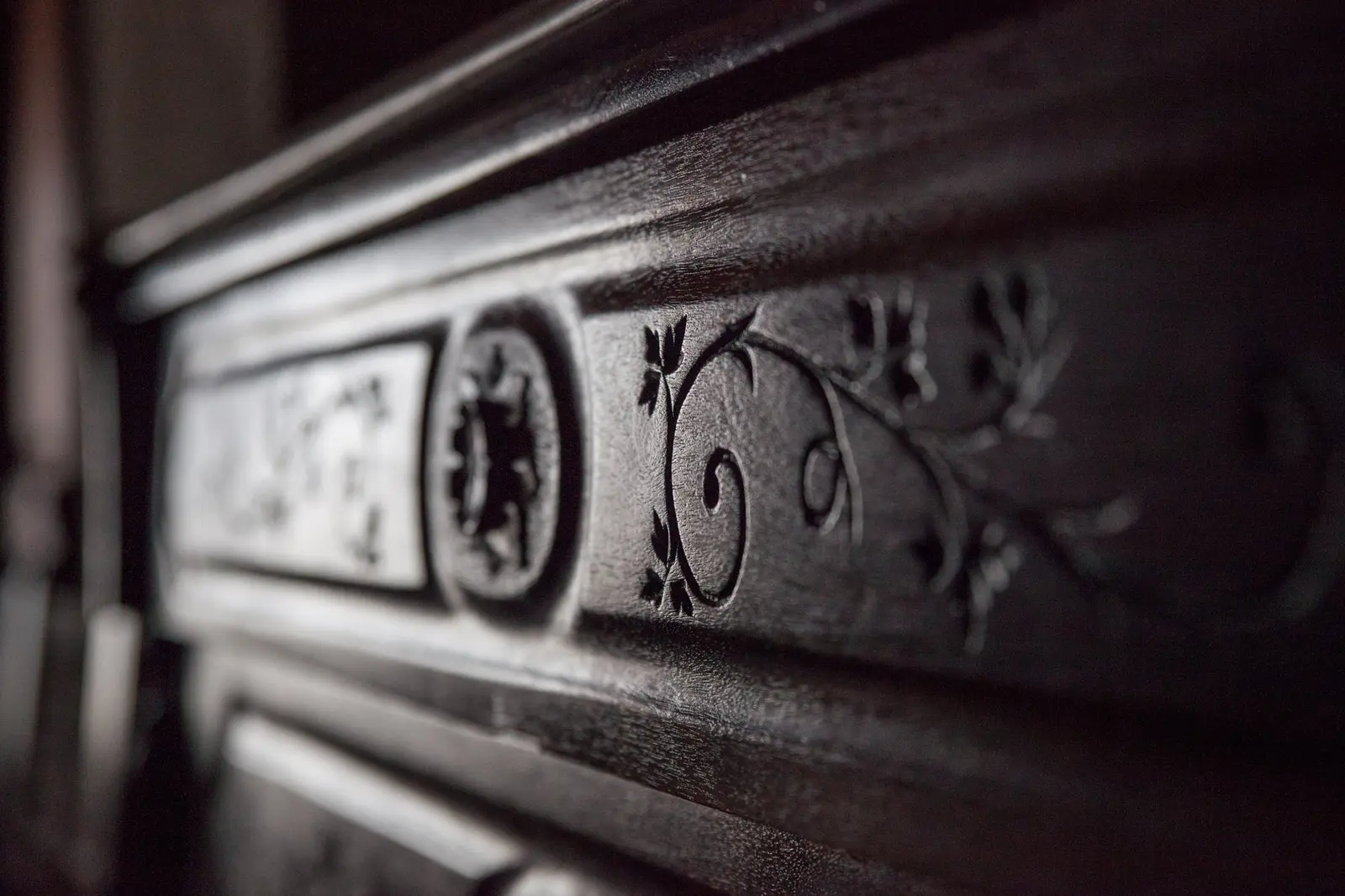
The house itself, a 15th-century farmhouse, grounds spiritual practice in a place with centuries of history. Many practitioners find that historic buildings hold a quality of presence from all who have lived within their walls.
Silence and Solitude
A rural setting like Montclar's offers a quiet that is increasingly rare in modern life. With less traffic and urban activity, awareness can settle into a deeper level. Many retreat participants are initially surprised by how much mental activity—planning, remembering, narrating—occupies awareness, only becoming apparent when external stimulation decreases.
Silent retreats, where participants commit to not speaking for days at a time, can make good use of this setting. The silence amplifies awareness of thought patterns, emotional states and subtle sensory experiences normally overlooked. Shared silent meals create a unique community—connected yet interior-focused, alone yet together.
Because the house is rented exclusively, a small group can combine solitary practice with shared meals: days of meditation, contemplative walking, reading sacred texts, or simply being present without agenda.
Meditation and Contemplative Practices
The spaces within and around the house can support various meditation and prayer traditions. The living room with its fireplace can be set up for sitting meditation, yoga or devotional practices, and the large dining room, garden and terrace offer further space for group practice. If your programme includes chanting or prayer recitation, tell the owners about your schedule in advance.
The surrounding countryside invites walking meditation, a practice of bringing full awareness to the simple act of moving through space. Paths around the house can become paths of practice, each step an opportunity for presence.
Many traditions incorporate nature observation as spiritual practice. Sitting quietly watching clouds move, observing insects on flowers, or listening to wind in trees cultivates attention and reveals the constant change that Buddhist traditions call impermanence. The natural world becomes teacher.
Spiritual Community and Guided Retreats
While solitary retreat has value, practicing within a spiritual community offers different benefits. Group retreats following traditions like Vipassana, Zen, Christian contemplative prayer, or other paths create collective energy that supports individual practice. Shared commitment helps participants maintain practice intensity that might be difficult alone.
Retreat leaders and spiritual teachers can bring their own groups to La Tor; the house does not provide spiritual guidance. With room for up to 20 participants, it suits intimate groups where the teacher can offer individual guidance while keeping a community scale. The residential format permits intensive practice schedules from dawn meditation through evening teachings.
The living room and the large dining room facilitate dharma talks, scripture study, discussion groups or spiritual direction sessions. Shared meals can become mindfulness practice, or conversation that deepens understanding.
Integration and Daily Life Practice
Spiritual retreats ideally prepare practitioners for bringing awareness into daily life rather than escaping into transcendent states. The residential nature of the property supports this integration. Participants practice presence while washing dishes, preparing food, or cleaning spaces—discovering the sacred in ordinary activities.
Many retreat programmes incorporate work practice or karma yoga, where mindful engagement with practical tasks becomes spiritual exercise. Sweeping floors, chopping vegetables, or tending the property become opportunities for attention and service. This grounds spiritual insight in embodied action.
The transition back to regular life after retreat can be challenging. The final days of longer retreats often include practices or discussions addressing how to maintain practice amid worldly demands. The mountain experience provides both inspiration to draw upon and reminder that presence is always available, regardless of location.
Practical Considerations for Spiritual Retreats
Organisations or teachers planning spiritual retreats should discuss the specific needs of their tradition: some practices require particular room arrangements, altar spaces or timing for prayers at specific hours. Talk to the owners about these needs in advance.
Dietary considerations are important for many spiritual traditions. The fully equipped kitchen lets you prepare vegetarian, vegan or other diets, and some retreats incorporate fasting or simplified eating as a spiritual discipline. Participants often find that simple, mindful meals become surprisingly satisfying.
The house has wifi, but a digital break can support a spiritual retreat: letting go of habitual checking and scrolling creates space for more authentic presence and connection with self, community and the sacred. Agree the approach with your participants in advance.
The journey to Montclar, 1 h 20 from Barcelona via the C-16, can be framed as a pilgrimage—the journey marking separation from ordinary life and arrival at a place apart. Some retreat organisers begin the silence during the drive.
Weather and seasonal considerations matter for retreats emphasising outdoor practice. Spring and autumn provide moderate temperatures and natural beauty for walking meditation or outdoor sitting. Winter's austerity can deepen certain practices, while summer allows for extended outdoor time.
If your dates are flexible, note that midweek the whole house can be rented with arrival on Monday at the earliest and departure on Thursday at the latest: 2 nights for €1,500 or 3 nights for €2,100, for up to 15 guests. You will find the details in our guide to the midweek rural house.
Practical information
- How to get there
- La Tor de Montclar, Montclar, Berguedà. 1 h 20 from Barcelona via the C-16, near Berga.
- Price
- Prices are for the whole house. Weekend (Friday and Saturday nights): €1,800 for up to 15 guests. Midweek (arrival Monday at the earliest, departure Thursday at the latest): 2 nights €1,500, 3 nights (Monday to Thursday) €2,100, for up to 15 guests. From the 16th guest: +€40 per guest and night (maximum 20). Bank holidays, summer, long weekends, Christmas, New Year and longer stays: on request.
- Duration
- Weekend, or a midweek stay of 2-3 nights; longer stays on request
- Best season
- All seasons offer different contemplative qualities