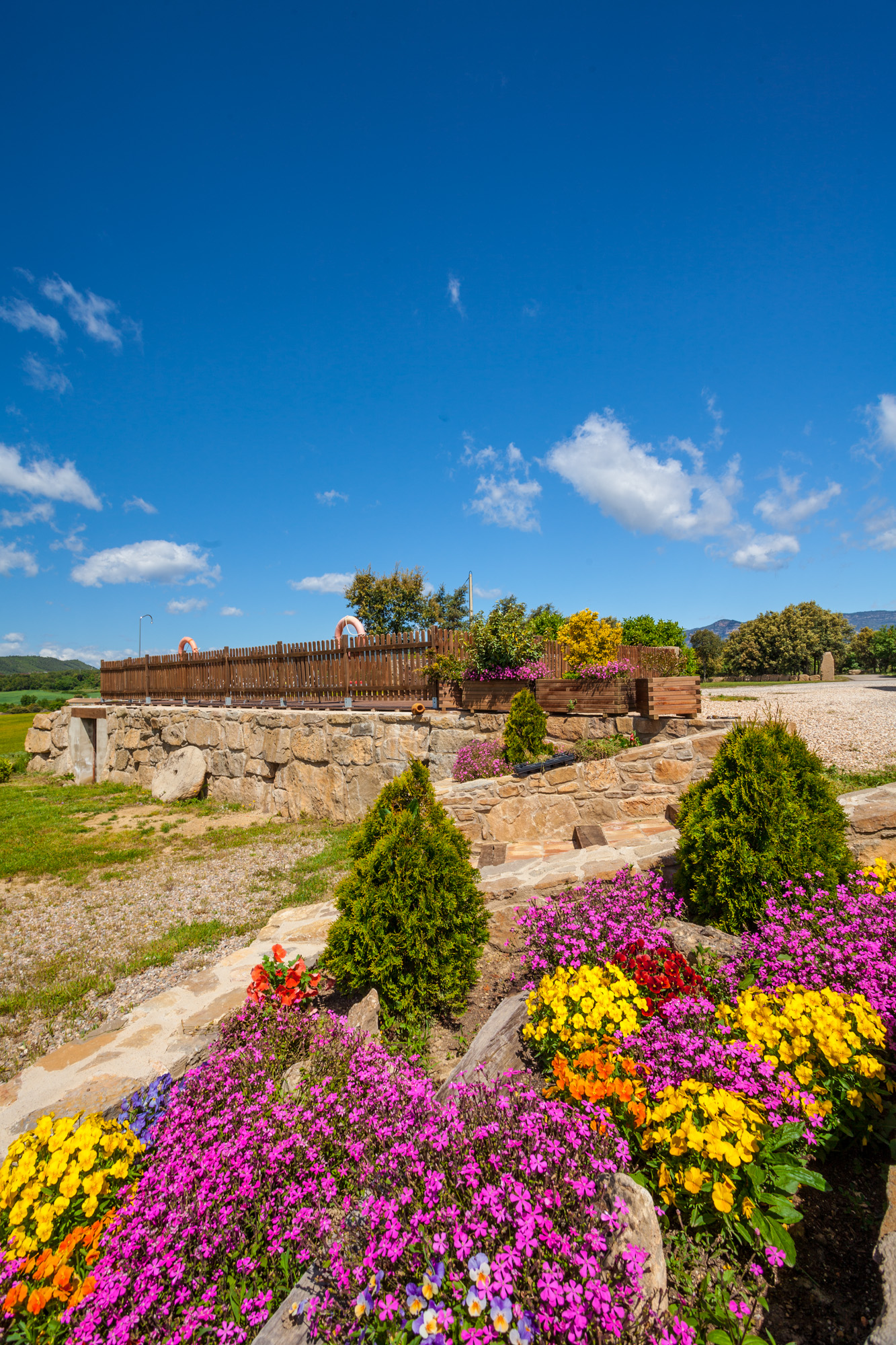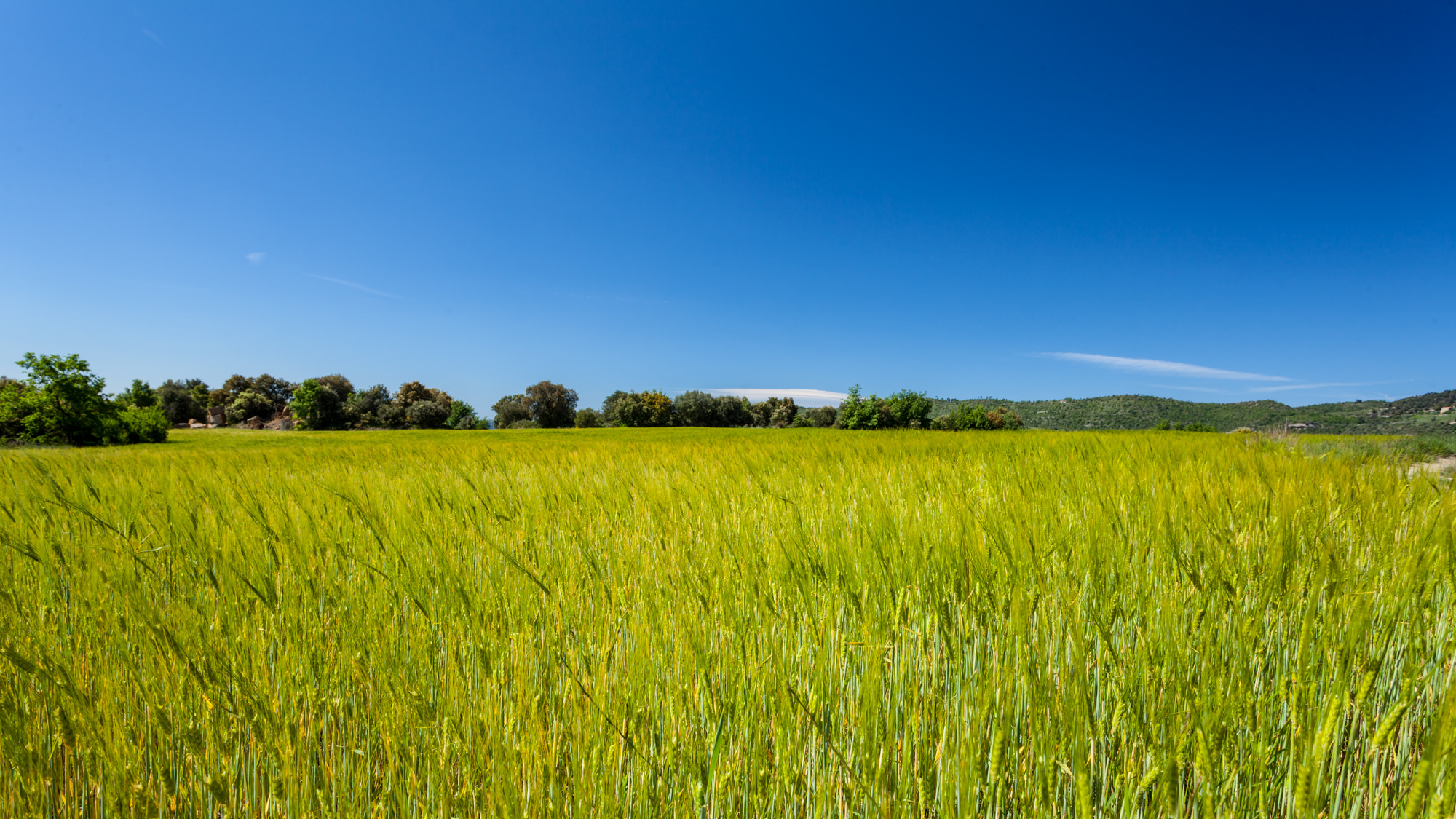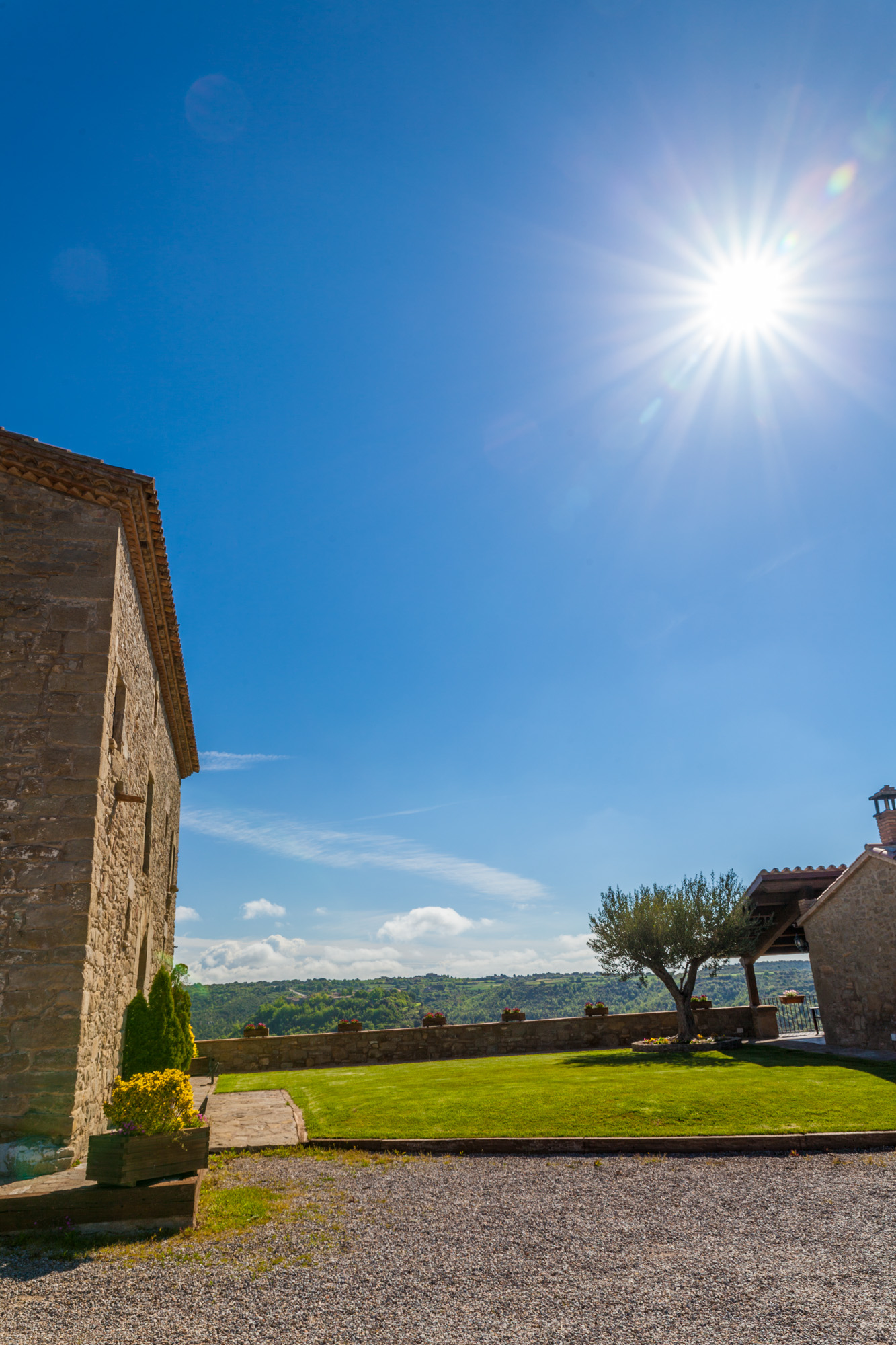
Midsummer celebrations occur across European cultures—Swedish Midsommar, British Midsummer, Spanish San Juan. In Catalonia, the Eve of Sant Joan (June 23rd-24th) represents the year's most festive and magical night when fire, water, and celebration mark the summer solstice. La Tor de Montclar offers international visitors the opportunity to experience this uniquely Catalan tradition in an authentic rural setting with bonfires, traditional foods, and night-time revelry under Pyrenean skies.
Understanding Catalan Sant Joan Traditions
Sant Joan (Saint John) celebrations on June 23rd-24th combine pre-Christian summer solstice rituals with Catholic feast day observances, creating traditions unique to Catalonia and other Mediterranean regions. Understanding these customs helps international visitors appreciate and participate meaningfully:
Fire as Purification and Renewal: Fire represents Sant Joan's central element. Traditionally, communities light bonfires at sunset on June 23rd, with young people jumping over flames for good luck and purification—a ritual dating to pre-Christian solstice celebrations marking the year's longest day and beginning of summer's decline toward winter. In urban areas, organized bonfires (fogueres) occur in public squares. In rural areas like Montclar, families light private bonfires in gardens or fields, creating intimate celebrations.
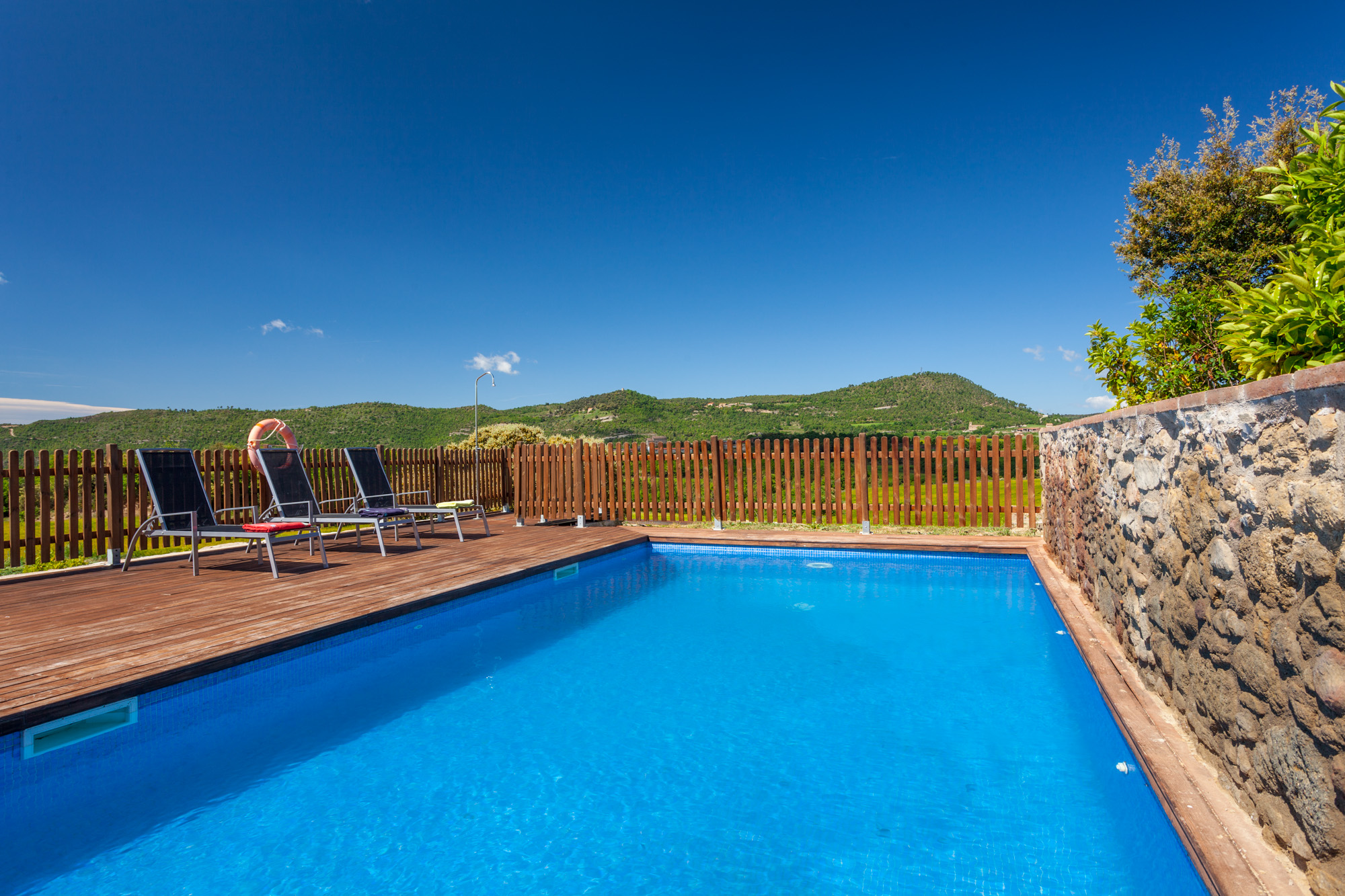
Water's Symbolic Role: Water complements fire in Sant Joan symbolism. Midnight swimming in seas, rivers, or pools cleanses and renews. For coastal Catalans, beach bonfires followed by midnight sea swimming represent the quintessential Sant Joan experience. At inland La Tor de Montclar, the outdoor pool substitutes for Mediterranean beaches, allowing traditional midnight swimming in a spectacular mountain setting.
Coca de Sant Joan: This traditional flatbread topped with candied fruits and pine nuts appears at every Sant Joan celebration. Similar to focaccia in texture, coca comes in sweet and savory variations. Bakeries throughout Catalonia prepare special Sant Joan cocas during the days leading to June 23rd. Purchase these from Berga bakeries or attempt making your own using traditional recipes.
Fireworks and Noise: Spanish Sant Joan (and San Juan across Spain) features extensive firework use. Unlike Anglo-American cultures restricting fireworks to specific holidays with professional displays, Spanish Sant Joan involves widespread personal firework use. Rural areas like Montclar allow private firework displays impossible in cities, though safety precautions and dry vegetation awareness are essential.
All-Night Celebration Culture: Sant Joan traditionally continues until sunrise. Spanish celebration culture generally features late schedules (dinner at 10 PM, midnight as "early" for parties), and Sant Joan takes this to extremes. Watching sunrise after an all-night celebration symbolically completes the solstice transition from longest day to gradually shortening days.
Planning Your Sant Joan Weekend at the Masia
Transform Sant Joan from a single night into a memorable weekend experience combining traditional celebration with Pyrenean summer activities:
Friday June 22nd - Arrival and Preparation: Guests arrive Friday afternoon/evening. Use this time for settling in, grocery shopping in Berga if needed, and preparing for Saturday's main celebration. A casual Friday dinner (barbecue in the garden, simple pasta, or pizza) allows the group to reconnect and build anticipation for Sant Joan night.
Saturday June 23rd Daytime - Summer Activities: The June 23rd afternoon precedes the night's festivities. Plan activities that balance energy expenditure with rest before the all-night celebration:
- Morning hike: Early mountain walk while temperatures remain moderate (afternoons reach 28-32°C / 82-90°F)
- Pool relaxation: Extended pool time, reading, sunbathing, and casual conversation
- Coca preparation: If making coca de Sant Joan from scratch, this becomes an afternoon project
- Nap time: Encourage afternoon rest for those planning to stay up until sunrise
- Decoration: Set up bonfire area, arrange outdoor dining spaces, prepare garden lighting
Saturday June 23rd Evening - The Main Celebration: Structure the evening to build gradually toward midnight:
- 9:00 PM: Outdoor dinner begins in the garden as sunset approaches. Grill meats and vegetables, serve salads and bread, drink cava and wine. Keep the meal relatively light—heavy food before all-night celebration is uncomfortable.
- 10:30 PM: Sunset in late June Berguedà occurs around 9:30-10:00 PM, creating extended golden hour perfect for photography and outdoor ambiance. Light the bonfire as darkness falls.
- 11:00 PM: Serve coca de Sant Joan with sweet wine or coffee. Share stories, music around the fire, or informal performances if musically inclined guests brought instruments.
- Midnight: The traditional moment for jumping bonfire flames (safely and soberly—many modern celebrations skip this risky practice) and midnight pool swimming. The outdoor pool under June stars creates magical atmosphere.
- 12:30 AM-Dawn: Continue with music, conversation, stargazing (the Berguedà sky offers spectacular stellar displays), games, or quiet moments around dying fire embers. Some guests will retire to bed while others persist toward sunrise.
- 6:30 AM: June sunrise occurs around 6:15-6:30 AM. Those still awake watch dawn break over the Pyrenees, completing the solstice celebration cycle.
Sunday June 24th - Recovery and Farewell: Expect late morning rising. Prepare leisurely brunch around 11 AM-noon. Optional gentle activities (short walk, final pool session) before afternoon departures. Some groups extend through Sunday night, creating three-day weekends and allowing proper rest before Monday work obligations.
Safety and Environmental Considerations for Bonfires
Rural bonfire celebrations require responsible planning addressing fire safety and environmental protection:
Bonfire Location and Preparation: Select bonfire sites carefully. Choose locations in the garden away from buildings (minimum 10 meters), trees, and dry vegetation. Clear a 3-meter radius around the fire site down to mineral soil, removing all flammable material. Create a fire ring with stones or dig a shallow pit to contain the fire. Keep bonfires modest in size—0.5-1 meter diameter is sufficient for atmospheric purposes without creating dangerous fires.
Fire Safety Equipment: Maintain water buckets, a garden hose, and fire extinguisher near the bonfire. Designate at least one sober adult as "fire monitor" responsible for safety throughout the evening. Never leave fires unattended. Completely extinguish fires before going to bed—drowning embers with water and stirring to ensure no live coals remain.
Drought and Fire Ban Awareness: June in Catalonia can be dry with wildfire risk. Check local fire regulations before planning bonfires. If official fire bans are in effect, respect them absolutely—wildfires in Mediterranean climates spread rapidly with devastating consequences. Alternative celebrations can maintain Sant Joan spirit using candles, LED lights simulating fire, or attending municipal bonfires in Berga rather than lighting private fires.
Firework Safety: If using fireworks, purchase from legal vendors, read instructions carefully (many are in Spanish—ensure someone understands them), light fireworks one at a time with designated clear areas, keep spectators at safe distances, and have water available for extinguishing malfunctions. Never give fireworks to children without direct adult supervision. Consider limiting fireworks to "safe" varieties like sparklers, fountains, and ground-based displays rather than aerial rockets that can ignite vegetation.
Environmental Responsibility: Use only natural, untreated wood for bonfires—no painted wood, pressure-treated lumber, or trash which release toxic fumes. Collect all firework debris the following morning for proper disposal. Disturb vegetation minimally when preparing bonfire sites. Leave no trace beyond memories.
Sant Joan Foods and Drinks
Sant Joan menus balance traditional Catalan foods with summer barbecue informality:
Traditional Elements:
- Coca de Sant Joan: Purchase from Berga bakeries on June 23rd morning (fresh is essential) or make from traditional recipes requiring candied fruits, pine nuts, and sweet dough. Serve with sweet wine, moscatel, or coffee.
- Cava: Catalan sparkling wine serves as the celebration drink throughout the evening. Unlike expensive champagne, quality cava costs €5-15 per bottle, encouraging generous pouring for toasts and casual drinking.
- Grilled meats: Barbecue (barbacoa) fits Sant Joan's outdoor informal atmosphere. Grill Catalan sausages (botifarra), lamb chops, pork, and chicken marinated in local herbs.
International Adaptations: Blend Catalan traditions with international foods matching your group's preferences. American guests might contribute potato salad, coleslaw, and s'mores for the bonfire. British guests add Pimm's cups for summer drinking. Mediterranean mezze platters (hummus, tabbouleh, grilled vegetables) suit hot weather and outdoor eating. The key is balancing traditional coca de Sant Joan and cava with foods your group genuinely enjoys.
Practical Considerations: Late June temperatures remain warm into evening (20-25°C / 68-77°F), allowing outdoor dining without chill. However, prepare some indoor backup space in case unexpected rain disrupts outdoor plans. Keep foods refrigerated until serving time—warm weather increases food safety risks for mayonnaise-based salads and dairy products. Provide abundant cold beverages—water, soft drinks, beer—as alcohol plus warm weather plus all-night celebration requires serious hydration.
Creating Meaningful Sant Joan Experiences for International Guests
For international visitors, Sant Joan offers insights into Catalan culture beyond Barcelona tourism. Maximize the experience through cultural engagement:
Pre-Celebration Education: Share Sant Joan history and traditions with guests before the weekend. Explain the fire symbolism, the coca tradition, why midnight swimming matters. This context transforms activities from arbitrary party elements into meaningful cultural practices.
Language and Music: Learn basic Sant Joan phrases in Catalan: "Bona revetlla!" (Good celebration night), "Bon Sant Joan!" (Happy Sant Joan). Research traditional Sant Joan songs—havaneres (Cuban-influenced songs popular along the Catalan coast) often accompany celebrations. Play Catalan music during dinner and gathering time, creating atmospheric authenticity.
Comparing Midsummer Traditions: If your group includes people from multiple European countries, compare Midsummer traditions—Swedish Midsommar with maypoles and flower crowns, British Midsummer Shakespeare connections, Spanish San Juan regional variations. These comparisons help everyone appreciate universal human impulses to mark seasonal transitions while celebrating cultural diversity in expressing these impulses.
Photography and Documentation: Capture the celebration thoughtfully. Long-exposure photographs of bonfire flames, pool night swimming, or star trails create artistic documentation. Video record moments like coca cutting, midnight toasts, or sunrise watching. These records help international guests share their Sant Joan experience with friends and family back home, spreading appreciation for Catalan traditions.
Return and Repetition: Consider making Sant Joan at La Tor de Montclar an annual tradition. Returning to the same place for the same celebration creates continuity and deepening appreciation. Children who experience Sant Joan multiple years internalize the tradition as part of their cultural identity. Friend groups who celebrate together annually create shared history strengthening relationships across international distances.
Practical information
From €1,800 per weekend (up to 16 guests), €40/additional person
June 23-24 specifically (Midsummer Night / Sant Joan)
Discover Berguedà from La Tor de Montclar
15th-century farmhouse with indoor pool, ideal for groups of up to 20 guests
Check availability