Berguedà is a mushroom forager's paradise. Its extensive forests of Scots pine, oak, and beech—combined with altitude and Pyrenean humidity—create ideal conditions for extraordinary fungal diversity. Mushroom season is among the most anticipated times of year, drawing locals and visitors alike to the woods.
Key Species of Berguedà Forests
The forests harbor dozens of edible species. Here are the stars:
- Rovelló (Lactarius deliciosus/sanguifluus): Called saffron milk cap in English, this is the undisputed king of Catalan mushroom cuisine. It grows beneath pine trees from September to November. When cut, it "bleeds" orange latex (similar to milk caps in North America). The Berguedà variety is prized for its firmness and intense pine-forest aroma. Think of it as Catalonia's porcini equivalent in cultural importance.
- Cep (Boletus edulis): Known as porcini (Italy), penny bun (UK), or steinpilz (Germany), this is the jewel of beech forests. Appears in autumn, particularly around Saldes, Gosol, and the Gresolet Valley. Meaty texture, nutty flavor.
- Rossinyol (Cantharellus cibarius): The chanterelle or girolle. Vibrant yellow-gold color, fruity apricot aroma. Grows in moist oak and beech forests from late summer. Excellent sautéed in butter.
- Black Trumpet (Craterellus cornucopioides): Despite its ominous English names (trumpet of death, horn of plenty), this is a culinary treasure. Dries exceptionally well and adds intense umami to dishes.
- Fredolic (Tricholoma terreum): A winter mushroom of pine woods, ideal for stews and rice dishes. Less known internationally but beloved locally for its reliability and subtle earthiness.
Prime Foraging Locations
Berguedà offers diverse forest ecosystems, each with signature species:
The Saldes and Pedraforca area is famous for ceps growing in beech groves. The pine forests between Bagà and Gosol are prime rovelló territory. The mixed woodlands of the Gresolet Valley yield ceps, rossinyols, and trumpets.
Near La Tor de Montclar, the Cadí range forests offer excellent harvests of rovellons and fredolics. The Bastareny area, with black and Scots pine forests, is another hotspot for local foragers.
Important: Much forestland is private. Respect property boundaries and local regulations. Some areas require permits or have daily collection limits.
Responsible Foraging Practices
Mushroom collecting is deeply traditional here, but sustainability is essential:
- Use a wicker basket (not plastic bags) so spores can disperse as you walk, ensuring future harvests.
- Cut mushrooms at the stem with a sharp knife rather than pulling them out, which damages the mycelium network underground.
- Only collect what you can positively identify. Several toxic species resemble edible ones. When in doubt, don't pick it.
- Respect private land and local restrictions. Ask permission when required.
- Have uncertain mushrooms verified at pharmacies or by expert mycologists. Many Catalan pharmacies offer free identification services during mushroom season.
- Leave some behind so the ecosystem regenerates and others can enjoy the harvest.
The Berga Mushroom Fair each October offers workshops with experts and identification stations—an excellent resource for beginners.
Cooking Wild Mushrooms
Berguedà cuisine showcases mushrooms in simple preparations that highlight their flavor:
Rovellons a la planxa (grilled saffron milk caps): The quintessential preparation. Clean mushrooms, grill cap-side down over high heat until moisture evaporates, flip, add minced garlic and parsley, drizzle with olive oil, finish with coarse salt. Serve immediately. The simplicity is the point—nothing should mask the forest flavor.
Ceps a la brasa (chargrilled porcini): Similar treatment for boletus. Just olive oil and salt. Some add a splash of sherry at the end.
Fricandó amb moixernons (beef stew with black trumpets): A celebration dish. Beef slowly braised with dried trumpets, white wine, and picada (a thickening paste of almonds, garlic, and parsley—unique to Catalan cuisine). The mushrooms add profound umami depth.
Arròs de fredolics (fredolic rice): Rice cooked with fredolics, sofregit (slowly caramelized onion and tomato sauce—the foundation of Catalan cooking), and rich stock. Comforting winter food.
Many restaurants offer menús de bolets (mushroom tasting menus) during season. Some rural lodges organize guided foraging trips followed by meals prepared with the collected mushrooms.
Practical information
September-November (main season), December-February (fredolics)
Forests accessible on foot from the farmhouse
Discover Berguedà from La Tor de Montclar
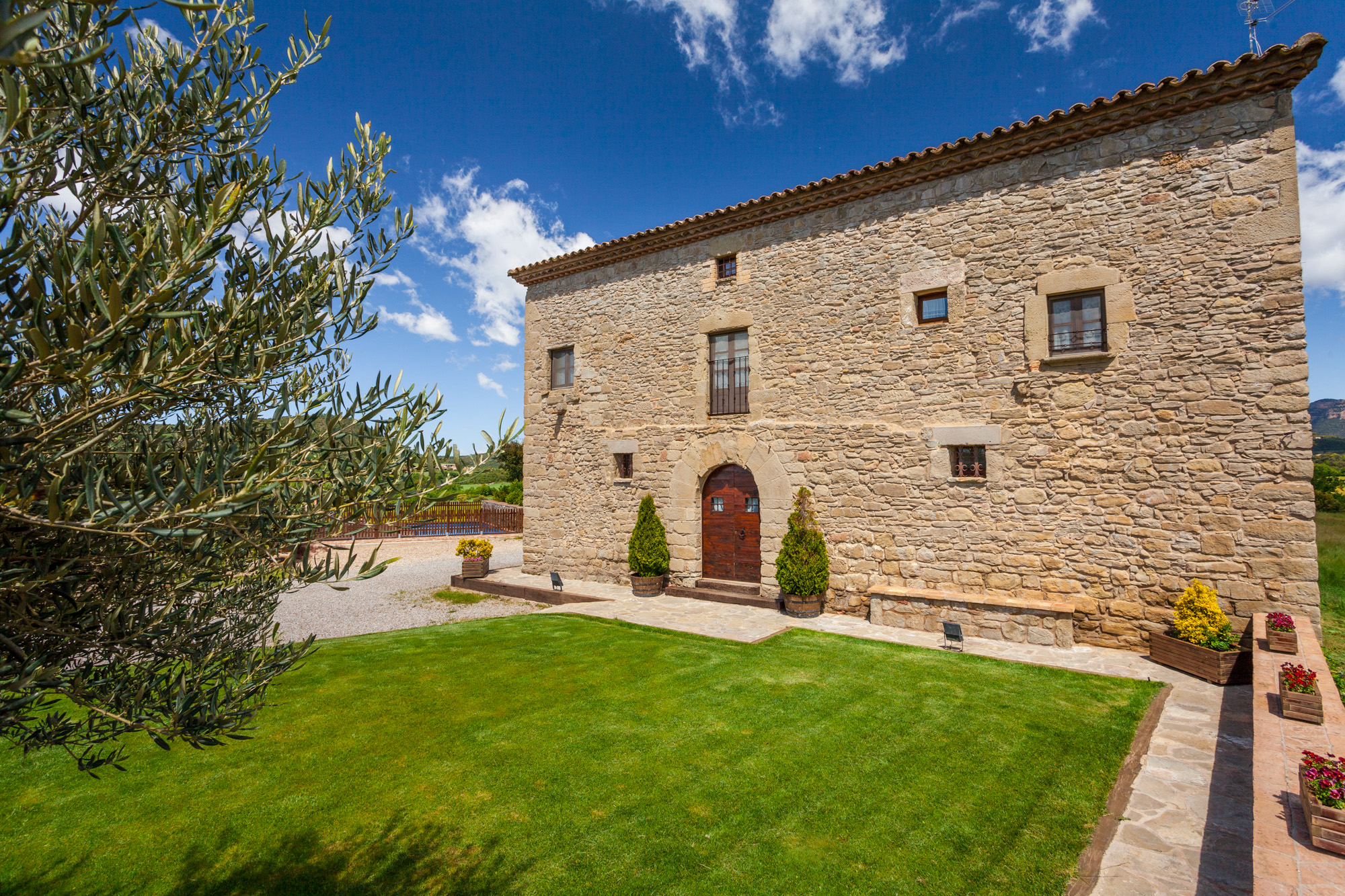
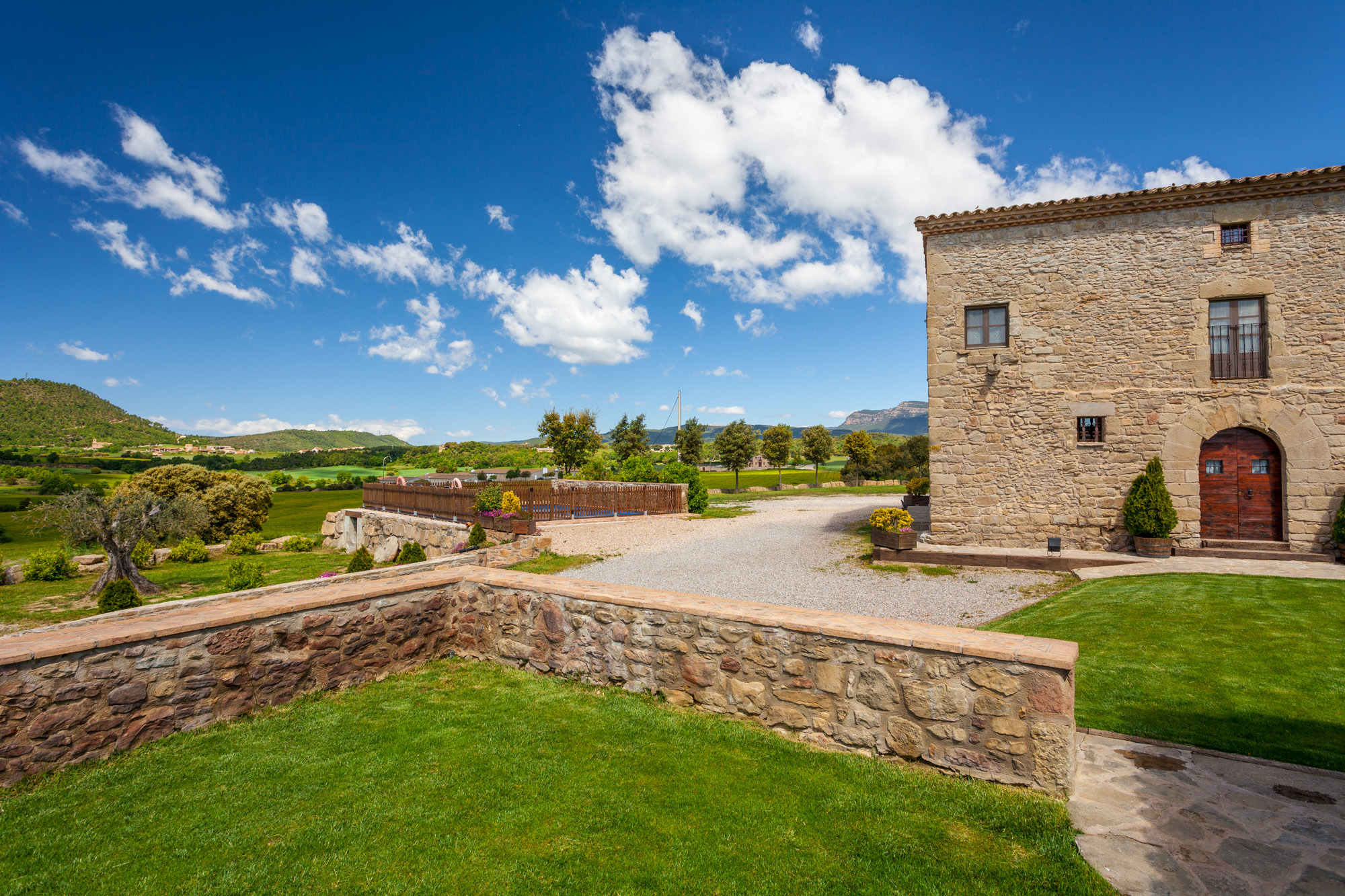
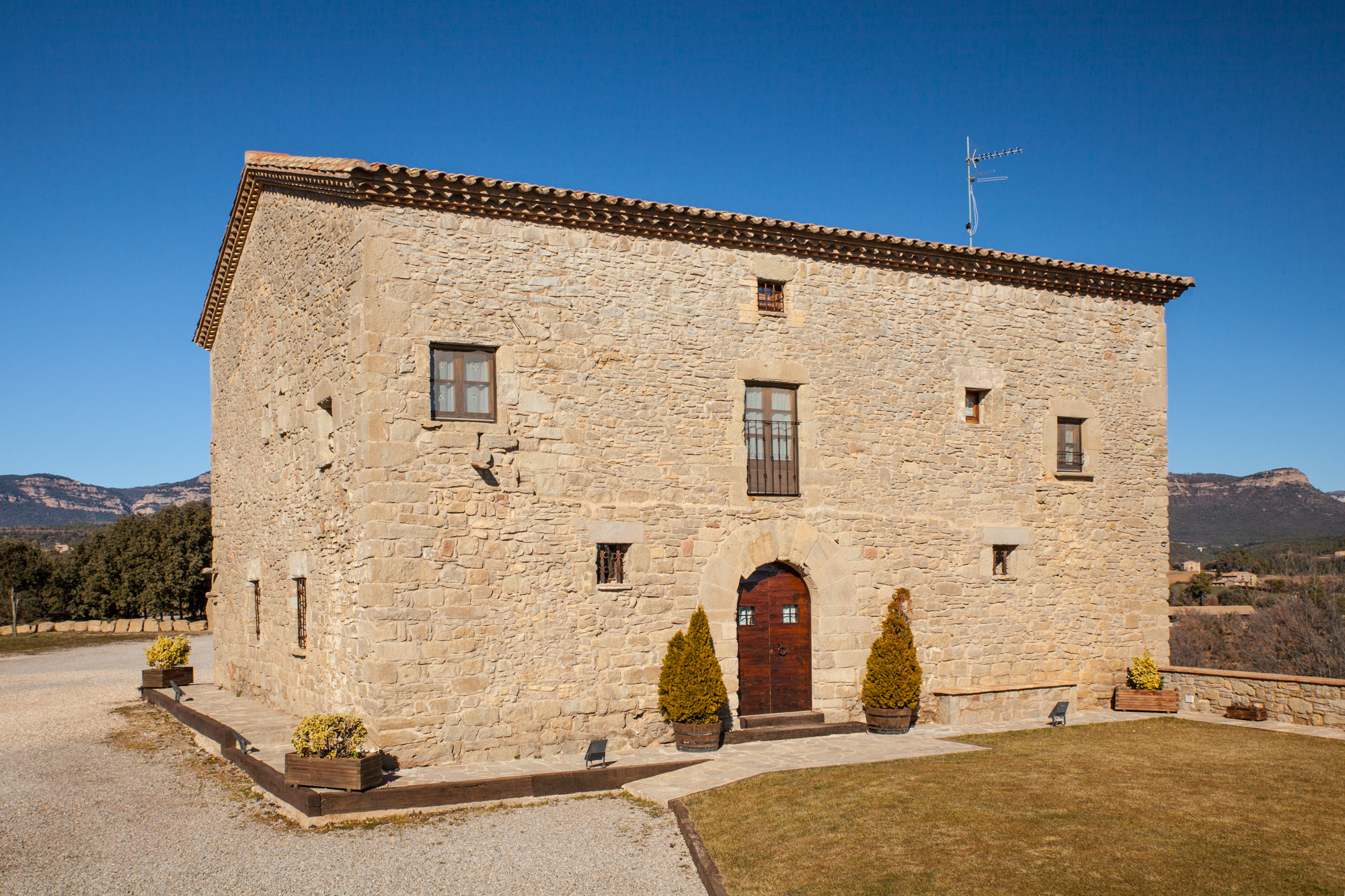
15th-century farmhouse with indoor pool, ideal for groups of up to 20 guests
Check availability