Snails are a deeply rooted gastronomic tradition throughout Catalonia, and Berguedà is no exception. After the first spring and autumn rains, snails emerge from their hiding places and one of the most festive and communal culinary activities begins: the cargolada. More than just a meal, it's a social ritual that brings people together around fire, food and conversation.
The tradition of gathering snails
Gathering snails (anar a cargols) is a springtime tradition that combines a walk in nature with the excitement of the hunt. After the first significant rains of spring or autumn, when humidity is high and temperatures mild, mountain snails (Helix aspersa, also called cargol bover) emerge from dry-stone walls, field margins and damp woodlands to feed.
In Berguedà, the best places to find snails are ancient stone walls of abandoned terraces, the margins of streams where vegetation is thick, and the areas of tall grass at the foot of farmhouse walls. Morning is the best time — dew keeps snails active and visible.
Snail gathering is traditionally a family activity. Children learn to spot the telltale silver trail and understand which snails to take (medium-sized, with intact shells) and which to leave (very small, or those laying eggs). You carry a bag or bucket, and the first one to spot a good cluster claims bragging rights.
Before cooking, snails must be purged. Traditionally they're kept in a basket with flour or aromatic herbs for 2-3 days, allowing them to clean their digestive systems. Some people skip this with wild snails that have been eating clean mountain vegetation, but purists insist on it.
Cargols a la llauna: the classic preparation
Cargols a la llauna is the quintessential Catalan snail dish and the centrepiece of any proper cargolada. The name refers to the llauna — a flat metal grill or perforated tray that allows smoke and heat to reach the snails directly.
The preparation is simple but requires technique:
The snails are placed on the llauna, opening facing up. They're sprinkled with coarse salt and placed over hot coals or in a very hot oven. As they cook (15-20 minutes), they release their juices, which mix with the salt and smoke. You hear them sizzle and smell the distinctive aroma.
When done, they're transferred to plates and served with two essential accompaniments: alioli (garlic emulsified with olive oil) and vinagreta (vinegar, oil, chopped onion, tomato, peppers and herbs). Some people also prepare salsa romesco (red pepper and almond sauce).
Eating cargols a la llauna is a hands-on experience. You pick up a snail shell, suck out the meat (making the characteristic slurping sound — don't be shy!), and dip a piece of bread in the accumulated juices on your plate. It's impossible to eat them elegantly, which is part of the charm.
Other snail preparations
While cargols a la llauna dominate, Catalan cuisine has developed several other snail preparations:
- Cargols a la gormanda: A rich, elaborate preparation where snails are cooked in a sauce of tomato, onion, jamón, herbs, white wine and sometimes a touch of chocolate or picada (ground nuts and garlic). The dish simmers for hours until the sauce is thick and complex. This is celebration food, served at weddings and major gatherings.
- Cargols amb conill: Snails cooked together with rabbit in a casserole, often with a sofregit base and herbs. The combination of rabbit and snails is traditional mountain cooking, bringing together two ingredients that were freely available.
- Cargols a la cassola: Simpler than the gormanda but still delicious: snails cooked in a casserole with sofregit (fried onion, tomato, garlic), white wine and aromatic herbs (thyme, bay leaf, oregano).
- Cargols picants: Snails with a spicy sauce made with hot peppers, garlic and paprika. Less traditional in Berguedà but popular in some areas.
The cargolada: a communal celebration
The cargolada is more than a meal — it's a social institution. It's an outdoor gathering where cargols a la llauna are prepared for a group, often dozens or even hundreds of people.
Traditional cargolades happen in spring (April-May) when snails are abundant, though some places also have autumn cargolades (September-October). They can be family reunions, gatherings of friends, village aplecs (festive gatherings), or events organised by clubs and associations.
The setup is simple: a fire or multiple fires, llaunas positioned over the coals, long tables with checkered tablecloths, plenty of wine (often porró — traditional glass wine pitcher), bread with tomato, grilled vegetables, and sometimes grilled meat to follow the snails.
Music usually accompanies the meal — someone brings a guitar, traditional Catalan songs are sung, there's laughter and conversation. The cargolada stretches for hours, because eating snails is slow work, and that's the point. It's about being together, outdoors, in no hurry.
In Berguedà, some villages and associations organise public cargolades. The colla (group) that organises provides the snails, fire and basic accompaniments; attendees bring their own drink and contribute a small fee.
Organizing a cargolada at La Tor de Montclar
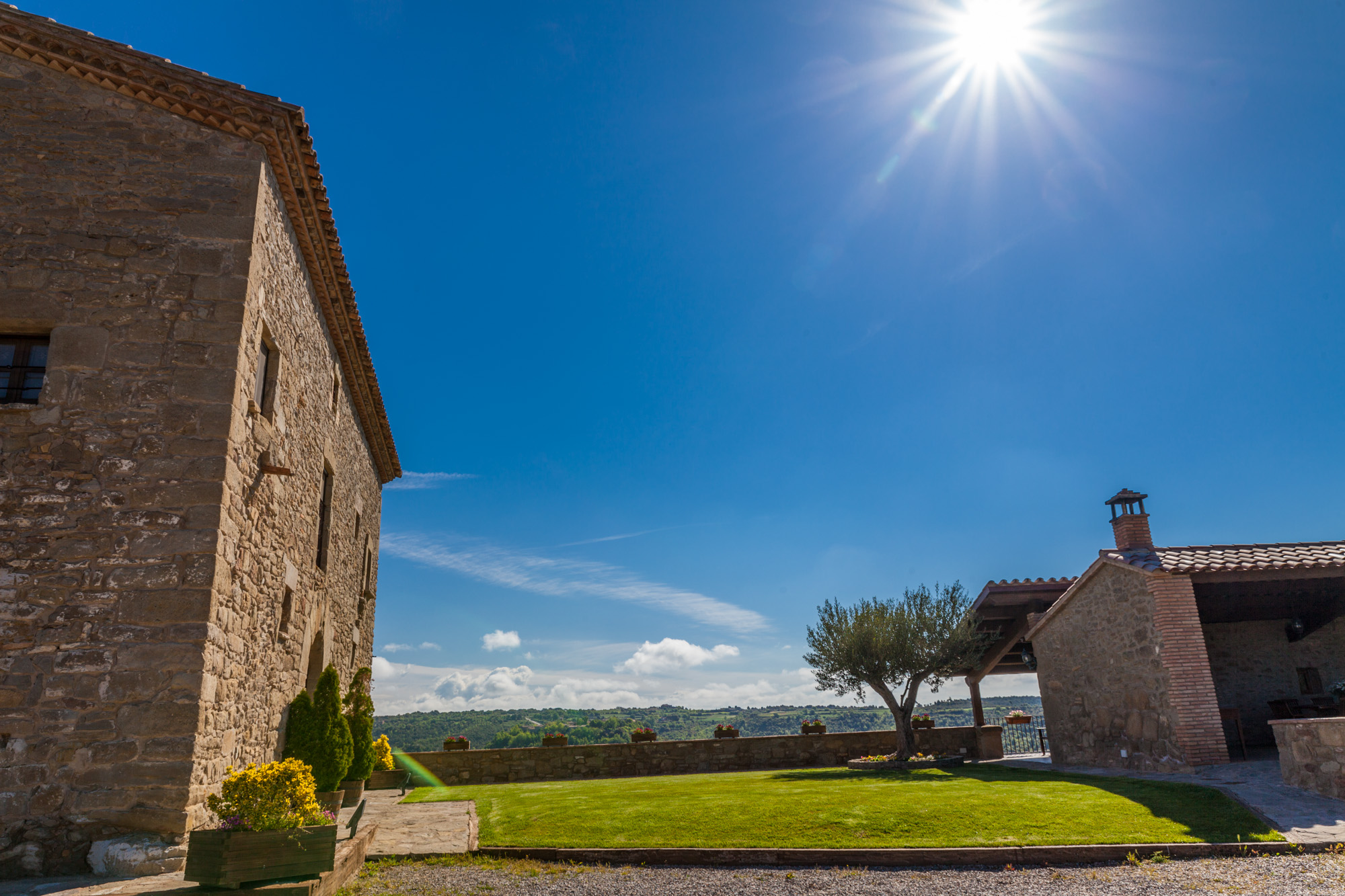
The outdoor spaces at La Tor de Montclar are perfect for organising a cargolada for your group. Here's what you need:
Snails: You can buy them at Berga market (ask a week ahead for large quantities) or from local suppliers. Figure 1-2 dozen snails per person, depending on what else you're serving.
Equipment: Metal grills or trays (can be improvised with clean oven racks), coarse salt, tongs, plates, napkins. Lots of napkins.
Accompaniments: Alioli (buy ready-made or make your own if you're confident), vinagreta (easy to make), bread for toasting (country bread, ideally), and wine (red or rosé, nothing fancy).
Fire: Wood or charcoal for the barbecue. The fire should have burned down to hot coals — flames will burn the snails.
Extras: Pa amb tomàquet (bread with tomato), grilled vegetables, butifarra or other sausages, simple salad. The meal can expand as much as you like.
The experience of preparing and eating snails outdoors, with the Cadí mountains as backdrop and the smoke rising into the mountain air, is unforgettable. It's not gourmet cuisine — it's something better: food that creates community, connects you to the land, and tastes like joy.
Practical information
Fresh snails: 10-15 EUR per kg (approximately 30-40 snails)
April-May (spring, best season) and September-October (autumn)
Snails available at Berga market or from local suppliers
Discover Berguedà from La Tor de Montclar
15th-century farmhouse with indoor pool, ideal for groups of up to 20 guests
Check availabilityRelated articles
Spring Cuisine in Berguedà: Wild Herbs and Calçots
Read more →
Autumn Cuisine in Berguedà: Mushrooms, Chestnuts, and Game
Read more →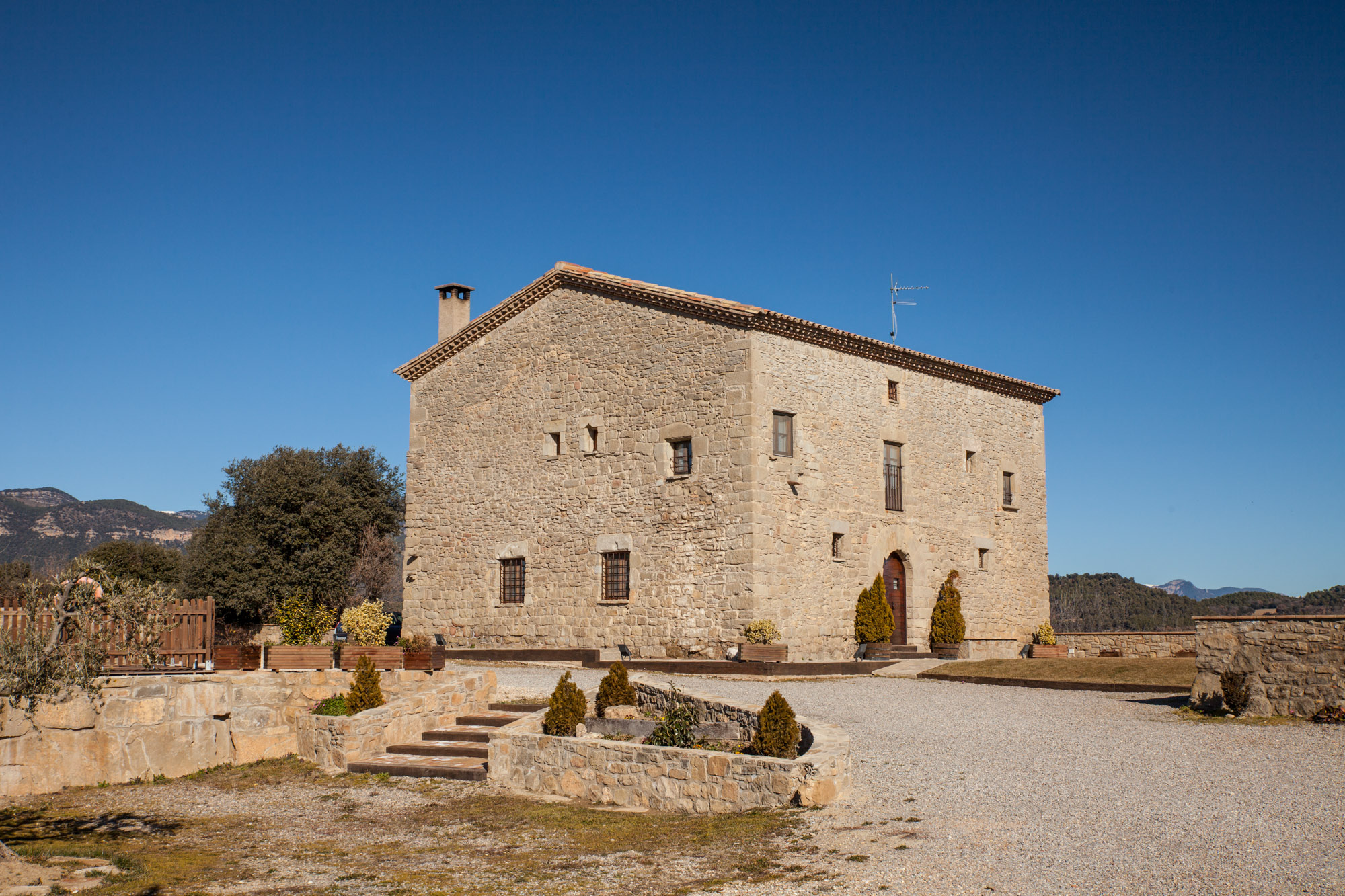
Berguedà Gastronomy: Traditional Catalan Mountain Cuisine
Read more →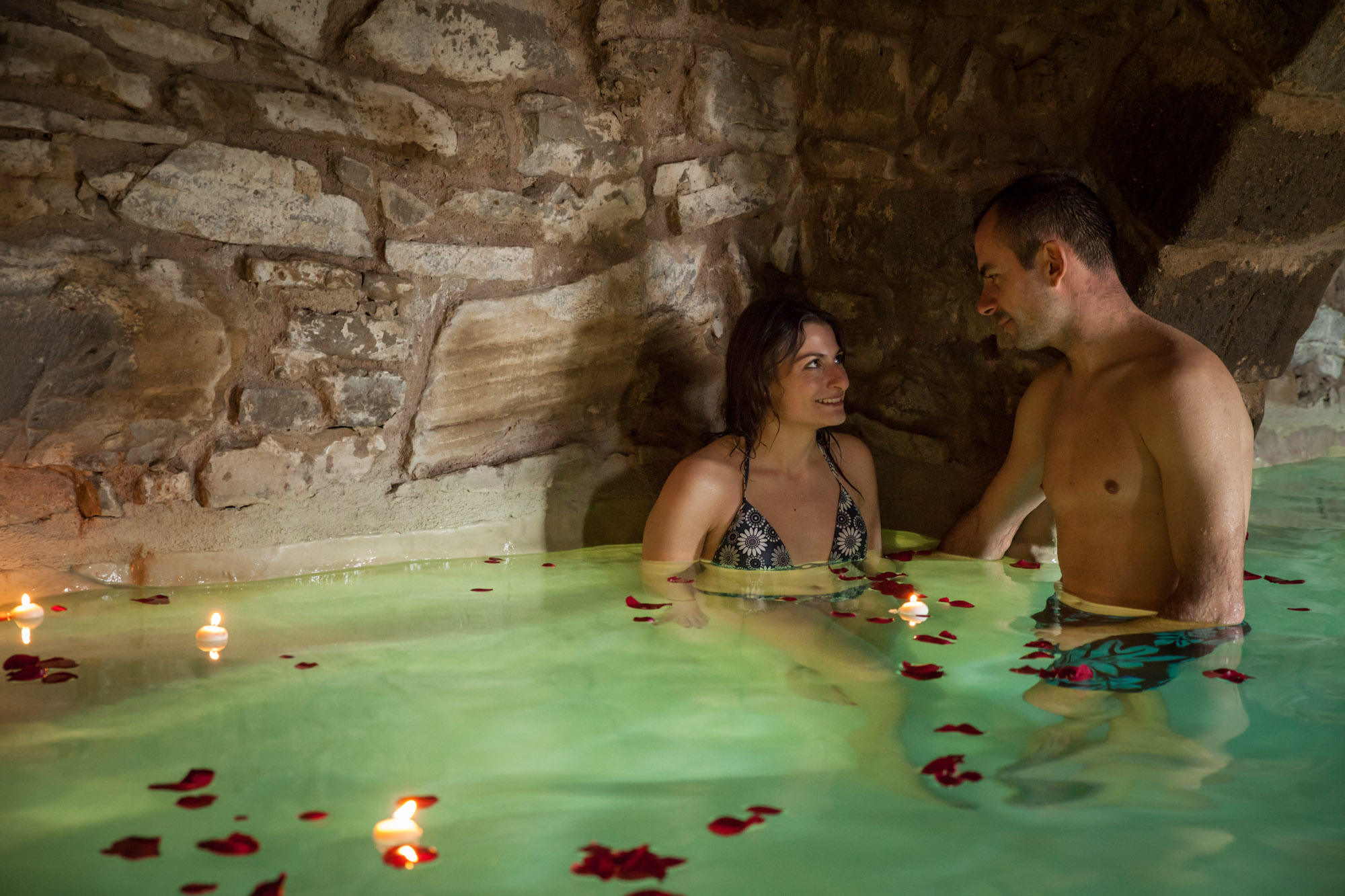
Berga Saturday Market: Fresh Local Produce Weekly
Read more →