The sweet traditions of Berguedà are intimately woven into the festive calendar and the rhythm of mountain life. Each celebration brings its own pastries: panellets for All Saints', tortells for Epiphany, bunyoles for Lent, coca for village festivals. These aren't just desserts — they're edible markers of time, connecting communities to the seasons and to centuries of shared tradition.
The festive sweet calendar
In Catalan culture, certain sweets are inseparable from specific dates:
Panellets (All Saints', 1 November): Small marzipan pieces, traditionally made with ground almonds, sugar and potato or sweet potato, formed into balls and coated with pine nuts, almonds, coconut or cocoa powder. Making panellets is a family activity, with each generation contributing. They're eaten with sweet wine (vi de missa) or muscatel.
Tortell de Reis (Epiphany, 6 January): A ring-shaped brioche enriched with butter and eggs, decorated with candied fruit and sugar, and filled with marzipan. Hidden inside are a bean and a small figurine — whoever finds the figurine wears the paper crown, whoever gets the bean pays for next year's tortell.
Bunyoles de Quaresma (Lent, especially Palm Sunday): Fried dough balls, light and airy, dusted with sugar. The tradition of bunyoles is particularly strong in the Pyrenean regions. They're eaten for berenar (afternoon snack) throughout Lent.
Mona de Pasqua (Easter Monday): Originally a simple sweet bread, now often an elaborate cake decorated with chocolate eggs, figures and scenes. Godparents give the mona to their godchildren, who take it to the countryside for an Easter picnic.
Coca de Sant Joan (St John's Eve, 23-24 June): Sweet coca — a flat pastry topped with candied fruit, pine nuts, and custard or whipped cream. Eaten during the shortest night of the year, often at bonfires and all-night celebrations.
Types of coca: the versatile Catalan flatbread
Coca is one of the most characteristic preparations in Catalan cooking, with endless variations. The base is always a flatbread dough, but the toppings transform it from savoury to sweet, from simple to elaborate:
- Coca de llardons: Savoury coca topped with pork cracklings and pine nuts. A traditional snack.
- Coca de recapte: Topped with roasted peppers, aubergine and onion. Like a Catalan pizza.
- Coca de Sant Joan: Sweet coca with custard, candied fruit and pine nuts, described above.
- Coca de vidre: Very thin and crispy, with caramelised sugar on top. The name means "glass coca" because it's translucent.
- Coca de cireres: Topped with fresh cherries in early summer.
The artisan bakeries of Berguedà — particularly in Bagà and Berga — make coca in countless variations, following recipes passed down through generations. A fresh-baked coca on Sunday morning is a weekly tradition in many families.
Artisan bakeries of Berguedà
The bakeries of Berguedà are far more than shops — they're cultural institutions, keepers of tradition, and the sweet heart of community life.
Many have been operating for generations, with the same family kneading dough in the same ovens their grandparents used. The recipes are often closely guarded secrets: how much butter in the tortell dough, the exact temperature for coca, the proportion of potato in panellets.
In Berga, the patisseries of the old town make spectacular tortades — large round cakes with cream, custard or chocolate, ordered for celebrations. The displays on All Saints' weekend are spectacular: mountains of panellets in every colour and coating.
In Bagà, the traditional bakeries still make orelletes (ear-shaped fried pastries), crespells (stamped butter cookies), and rosquilles (anise-flavoured ring cookies) using century-old recipes and wooden moulds.
Many bakeries fire their ovens with wood, giving the pastries a subtle smokiness impossible to achieve with gas or electric heat. The smell of baking on Sunday morning — a mix of caramelising sugar, toasting almonds, and wood smoke — is one of the defining scents of mountain village life.
Homemade desserts of mountain cooking
Beyond the bakery, Berguedà home cooking has its own repertoire of simple, honest desserts:
- Mató amb mel: Fresh cheese (mató or recuit) served with mountain honey. This is perhaps the most characteristic Catalan dessert — utterly simple, absolutely perfect. The mild, slightly grainy cheese and sweet, aromatic honey create a combination that needs nothing more.
- Crema catalana: Custard made with milk, egg yolks, sugar, cornstarch and lemon or cinnamon, topped with caramelised sugar. The Catalan answer to crème brûlée, though the Catalans insist it came first.
- Poma al forn: Baked apples, cored and filled with sugar, cinnamon and sometimes raisins or walnuts, baked until soft and caramelised. In Berguedà, the mountain apples — smaller and more flavourful — are perfect for this.
- Greixonera: Bread pudding made with stale bread, milk, eggs, sugar and lemon zest. A waste-nothing dessert that transforms yesterday's bread into something delicious.
- Músic: Not exactly a dessert but a traditional end to a meal: dried fruit and nuts (almonds, hazelnuts, raisins, dried figs) with sweet wine. Called "músic" because it's what musicians were traditionally served after performing at weddings.
Making panellets: a family tradition
Making panellets is one of the most cherished food traditions in Catalan families. As October arrives and castanyada (the All Saints' celebration) approaches, families gather in the kitchen to make dozens of these small marzipan balls.
The traditional recipe uses cooked potato or sweet potato mashed and mixed with ground almonds and sugar to form a dough. This is rolled into balls and coated with pine nuts (the classic version), chopped almonds, coconut, cocoa powder, or even coffee.
Everyone has a role: grandmothers measure and mix, parents roll the balls, children coat them and press in the pine nuts. The trays go into the oven, and the house fills with the scent of toasting almonds and pine nuts.
The finished panellets are stored in tins and brought out for All Saints' Day, when families visit cemeteries to honour their dead, then gather for meals where roasted chestnuts, sweet potatoes, and panellets are served with sweet wine. It's a celebration that blends solemnity with sweetness, memory with taste.
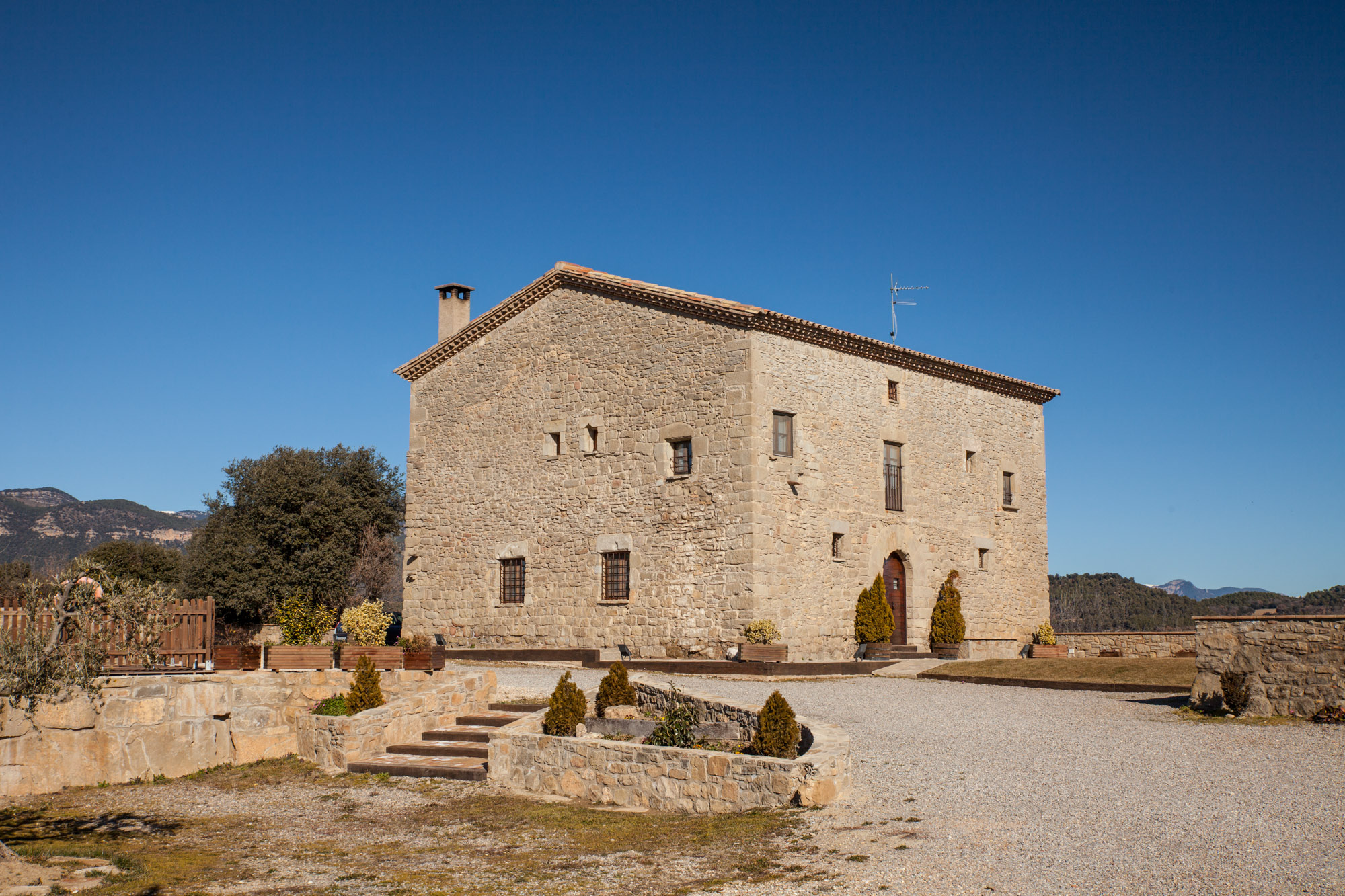
At La Tor de Montclar, making panellets as a group activity is a wonderful way to connect with Catalan traditions, especially for families with children.
Practical information
Panellets: 15-25 EUR/kg, Tortell de Reis: 15-30 EUR depending on size
Year-round (different sweets for each season and festival)
Bagà bakeries 15 min, Berga bakeries 25 min
Discover Berguedà from La Tor de Montclar
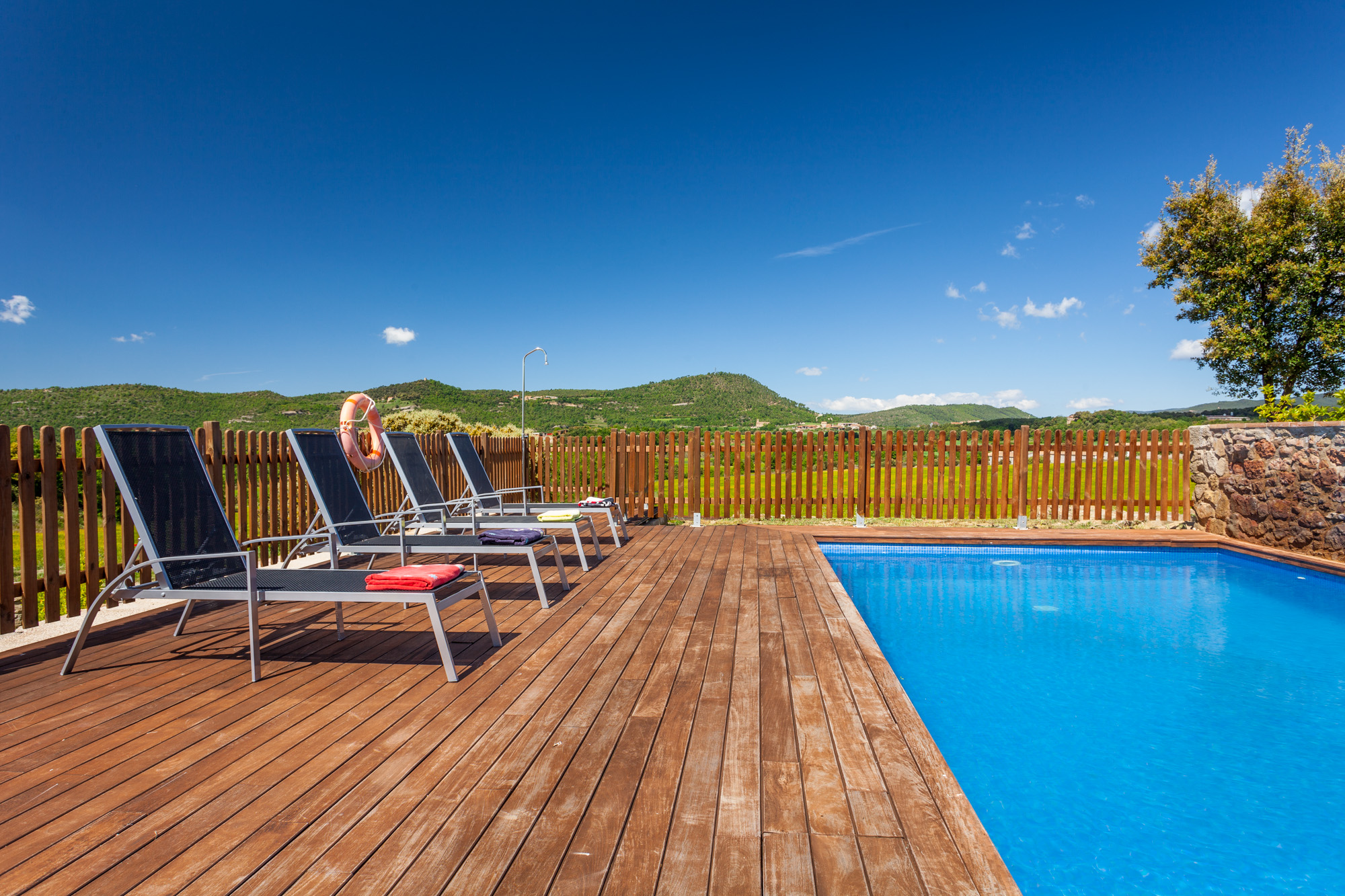
15th-century farmhouse with indoor pool, ideal for groups of up to 20 guests
Check availabilityRelated articles
Pa de Pagès: Traditional Catalan Country Bread
Read more →
Mountain Honey of Berguedà: Varieties and Beekeeping Tradition
Read more →
Artisan jams and preserves of Berguedà: bottled sweetness
Read more →
Winter Cuisine in Berguedà: Escudella, Stews, and Christmas Sweets
Read more →