Berguedà's charcuterie tradition connects intimately to the matança del porc (pig slaughter), a ritual that for centuries marked the mountain calendar. The cold, dry Pyrenean air is the key element enabling slow, natural curing that gives these meats their distinctive flavor and texture—a process impossible to replicate in humid lowland climates.
The Matança: A Living Winter Tradition
The matança (pig slaughter), traditionally conducted between November and February when temperatures stay reliably cold, was one of the most important social events in Berguedà farmhouses. Families and neighbors gathered to slaughter the pig, utilize absolutely every part, and prepare cured meats that would sustain the household through the year.
This wasn't cruelty—it was survival. Mountain winters were harsh, fresh meat scarce, and refrigeration nonexistent. The pig provided fat for cooking, meat for immediate consumption, and materials for preserved products. Blood became sausages, organs were eaten fresh, intestines became casings, bristles became brushes, and even the hooves rendered gelatin.
Today, though domestic slaughter has largely disappeared due to health regulations, the tradition continues through artisan producers using inherited methods. Some farmhouses in Berguedà organize educational matances where visitors observe the process, learn about traditional techniques, and participate in making products.
Varieties of Berguedà Charcuterie
The repertoire is broad and distinct:
- Llonganissa: The quintessential cured sausage, comparable to Italian soppressata or French saucisson sec. Made with lean pork, salt, black pepper, and sometimes crushed walnuts. Berguedà llonganissa stands out for its mountain-air curing—typically 2-4 months in natural drying rooms where cold air circulates freely. Eaten thinly sliced, raw.
- Bull negre (black pudding): Blood sausage made with pork blood, back fat, spices (cinnamon, cloves, black pepper), and rice or bread as filler. Similar to French boudin noir, Spanish morcilla, or British black pudding. Eaten cooked—traditionally pan-fried in olive oil until the casing crisps.
- Bull blanc (white pudding): Made without blood, using lean meat, egg, breadcrumbs, and delicate spices. Milder than bull negre, often eaten cold as an appetizer. Comparable to Catalan botifarra blanca.
- Secallona: Thin, heavily cured sausage similar to Italian salami or fuet. Long curing (3-6 months) concentrates flavor. Sliced paper-thin, it's perfect for snacking or pa amb tomàquet.
- Bisbe: A celebration sausage made with the noblest pork cuts, stuffed into the pig's bladder, creating a large, round shape. Traditionally reserved for Christmas and weddings. After months of curing, it develops complex, concentrated flavors.
Notable Artisan Producers
Several producers maintain exceptional quality standards:
In Berga, longstanding butcher shops (carnisseries) continue making cured meats in their own workshops using family recipes. In the Bagà and Guardiola de Berguedà area, producers work with Duroc-breed pigs raised semi-free-range, resulting in marbled meat with superior flavor.
Quality depends on three factors: meat selection (ideally from heritage breeds raised on varied diets), spice balance (often homegrown black pepper, wild herbs), and natural curing in mountain air. The caves and drying rooms of high-altitude areas, with cool temperatures (5-15°C / 41-59°F) and naturally controlled humidity (60-75%), create conditions commercial producers can't replicate.
Many producers still follow lunar cycles for slaughter and curing—traditional knowledge claims waning moons produce better-keeping products, though scientific evidence is debated.
How to Enjoy Berguedà Charcuterie
Traditional serving emphasizes simplicity:
The classic presentation is sliced cured meat on pa de pagès amb tomàquet (country bread rubbed with ripe tomato, drizzled with olive oil, sprinkled with salt). This is entrepà or bocadillo—the Catalan sandwich. Llonganissa and secallona are eaten raw; bull is lightly fried.
For a full experience, assemble a plat d'embotits (charcuterie board) with a variety of cured meats, arbequina olives, local aged cheese, toasted bread, and a bottle of red wine from DO Pla de Bages or Priorat. Add codonyat (quince paste) for sweet-savory contrast.
At Berga market and local fairs, buy directly from producers who often offer tastings and explain their process with enthusiasm. They'll tell you which sausage was made in January, which uses wild boar, which has their grandmother's secret spice blend.
Practical information
Winter (slaughter and optimal curing season)
Producers in Berga (25 min) and Bagà (15 min)
Discover Berguedà from La Tor de Montclar
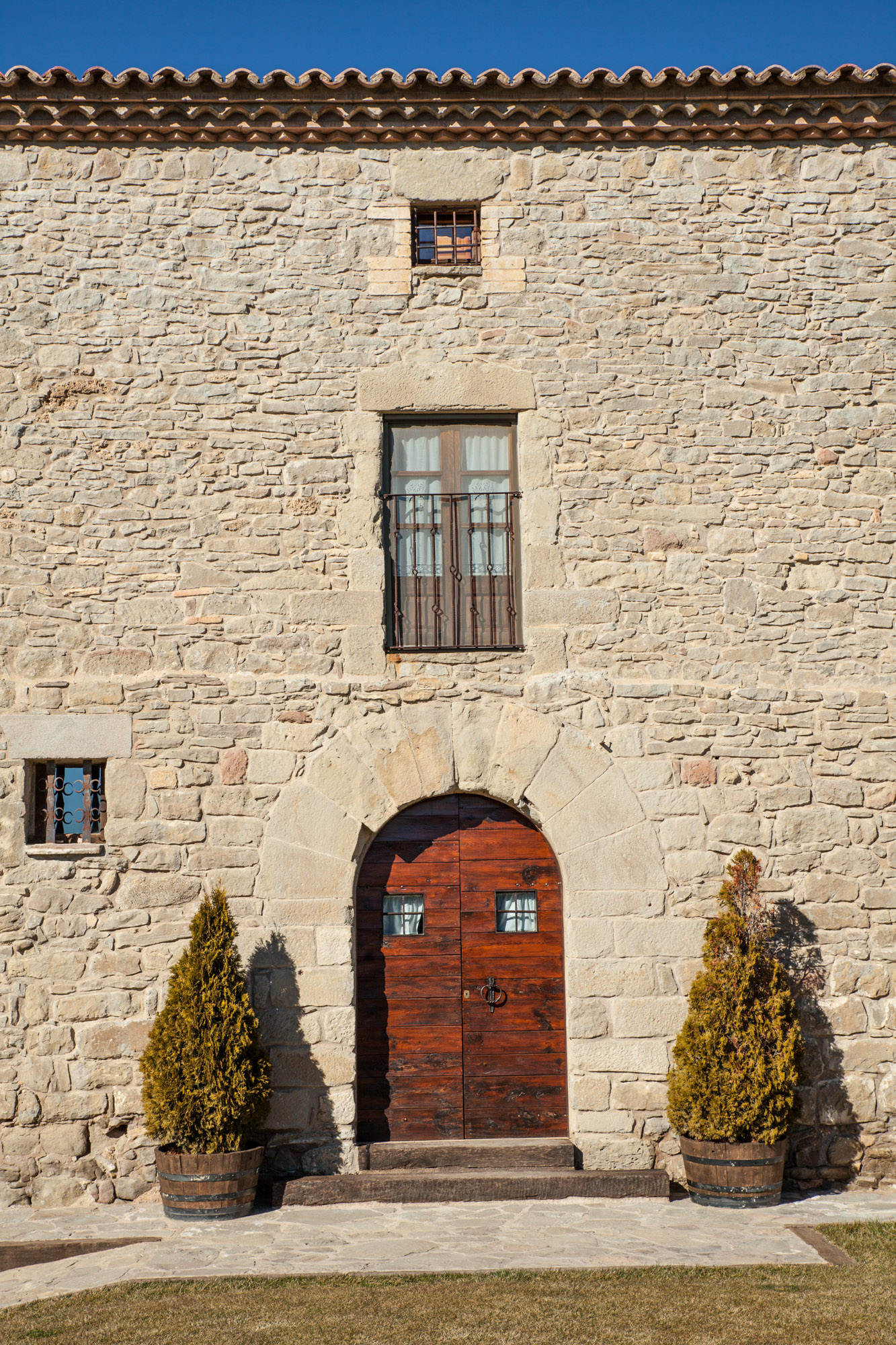
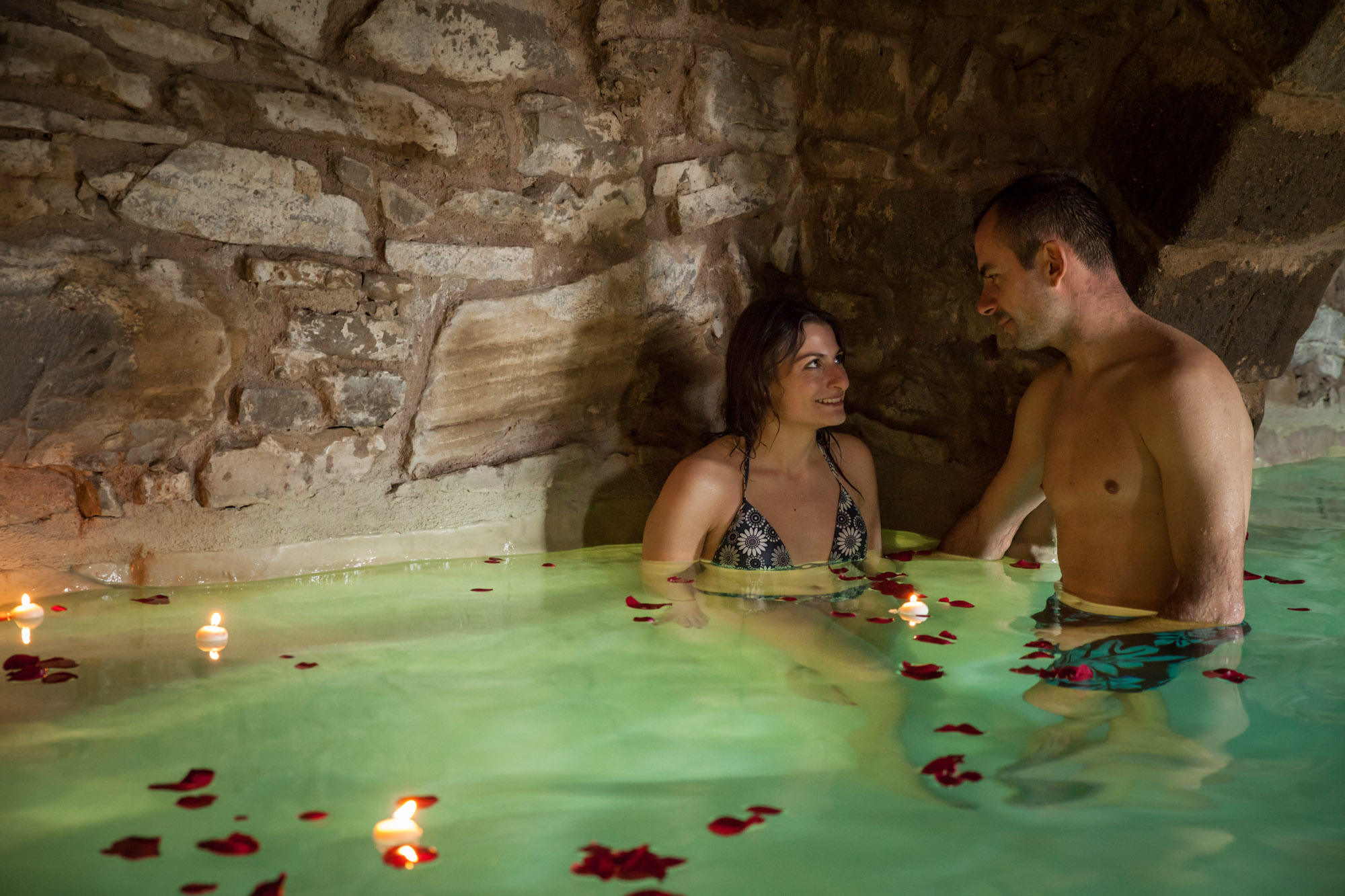
15th-century farmhouse with indoor pool, ideal for groups of up to 20 guests
Check availability