Although Berguedà itself is too high and cold for olive cultivation, the neighbouring regions of Bages, Solsonès and the Lleida plains produce exceptional extra virgin olive oils that are essential to Berguedà cooking. Olive oil is the liquid gold that binds together every dish of Catalan gastronomy, and understanding its varieties and uses enriches your mountain food experience.
Why Berguedà doesn't grow olives
Olive trees require specific climate conditions: mild winters, hot summers, and protection from severe frosts. Berguedà, with altitudes ranging from 600 to over 2,500 metres and Pyrenean winters that regularly drop below freezing, sits just outside the olive-growing zone.
However, this hasn't prevented olive oil from being absolutely central to Berguedà cuisine. For centuries, farmers from the region would travel down to the olive-growing areas of Bages and Solsonès to trade mountain products — wool, cheese, cured meats — for oil, wine and other lowland goods. This tradition of proximity trade created lasting connections between the mountain and Mediterranean worlds.
Today, the best restaurants and home cooks in Berguedà source their oil from these same neighbouring regions, choosing quality extra virgin oils that enhance rather than mask the flavour of mountain ingredients.
Olive varieties and oil styles
The olive oils produced near Berguedà come from several traditional Catalan varieties:
- Arbequina: the most widespread Catalan variety, producing a mild, sweet oil with notes of almond and apple. Low in bitterness and pungency, it's ideal for raw uses like salads, pa amb tomàquet and finishing dishes. The Arbequina from Les Garrigues (PDO) is world-famous.
- Empeltre: grown in Solsonès and Lleida, this variety yields a very delicate, sweet oil with almost no bitterness. Its softness makes it perfect for desserts and delicate fish.
- Picual: though more common in southern Spain, some Catalan producers work with Picual for its robust, peppery character. Excellent for cooking and hearty dishes.
- Verdal: a native Catalan variety producing intensely fruity, bitter and pungent oils valued by enthusiasts.
The harvest season runs from November to December. Early-harvest oils (collected in October-November when olives are still green) are more intense, bitter and pungent. Late-harvest oils are smoother and sweeter.
Producing regions near Berguedà
The main olive oil producing areas accessible from Berguedà are:
Bages (40-50 minutes southeast) is the closest olive-growing region. The Pla de Bages produces primarily Arbequina oils — fresh, fruity and perfect for everyday use. Several cooperatives and small producers offer direct sales and tastings.
Solsonès (30-40 minutes south) grows Empeltre olives in the transitional zone between mountain and plain. The oils are delicate and sweet, highly prized locally.
Les Garrigues PDO (90 minutes southwest) is Catalonia's premier olive oil designation of origin. The Arbequinas grown in this arid, sunny region produce oils of extraordinary quality, exported worldwide. Worth the drive for serious oil lovers.
Segrià and Urgell (60-80 minutes west) around Lleida city are major producing areas. The cooperatives of Borges Blanques and Les Borges del Camp are century-old institutions with excellent oils.
Visiting an oil mill (trull) during harvest season is a sensory revelation: the smell of crushed olives, the green liquid flowing from the press, the coolness of the storage rooms, and finally tasting oil so fresh it makes your throat burn.
How olive oil is used in Berguedà cooking
In Berguedà cuisine, olive oil appears in virtually every savoury dish:
Pa amb tomàquet is perhaps the ultimate expression of quality oil. Thick-sliced country bread, toasted, rubbed with ripe tomato, drizzled generously with extra virgin oil and sprinkled with salt. The oil must be fruity and fresh — its flavour is half the dish.
Sofregit — the base of countless Catalan dishes — starts with oil, onion, tomato and often garlic, slowly cooked until caramelised. This forms the foundation for stews, rice dishes and casseroles.
Alioli — garlic emulsified with oil — is the traditional accompaniment to grilled vegetables, fish, snails and barbecued meat. Authentic alioli contains only garlic, oil and salt (no egg), requiring patience and a steady hand.
Salads of garden vegetables, wild herbs or grilled peppers depend on good oil. Mountain lettuces and tomatoes have such intense flavour that they need only oil, salt and perhaps a splash of vinegar.
Preserves like escalivada (roasted peppers and aubergine) or marinated mushrooms are conserved in olive oil, which both preserves and flavours them.
Choosing and storing olive oil
To get the most from olive oil, keep these principles in mind:
Always choose extra virgin: This is the highest grade, obtained purely by mechanical pressing without heat or chemicals. "Virgin" and "pure" olive oils are lower grades. "Light" olive oil is heavily refined and has minimal flavour or health benefits.
Check the harvest date: Unlike wine, olive oil doesn't improve with age. Buy oil from the most recent harvest (campaign). A quality producer will display the harvest date prominently.
Look for PDO or organic certification: Designations of Origin like Les Garrigues guarantee quality and authenticity. Organic certification ensures no pesticides were used.
Store properly: Keep oil in a dark, cool place at a stable temperature (18-20°C). Never leave it next to the stove. Light and heat are oil's enemies, causing it to oxidise and go rancid. Use within 12-18 months of harvest.
Use different oils for different purposes: A delicate, expensive oil for raw uses and finishing; a more robust, affordable oil for cooking and frying.
At Berga market and artisan food shops throughout Berguedà, you'll find excellent oils from nearby producers, often bottled to order, ensuring maximum freshness.
Practical information
Quality extra virgin: 8-15 EUR/litre direct from producer, 12-20 EUR retail
November-December (harvest and mill visits), available year-round
Bages cooperatives 40-50 min, Les Garrigues 90 min
Discover Berguedà from La Tor de Montclar
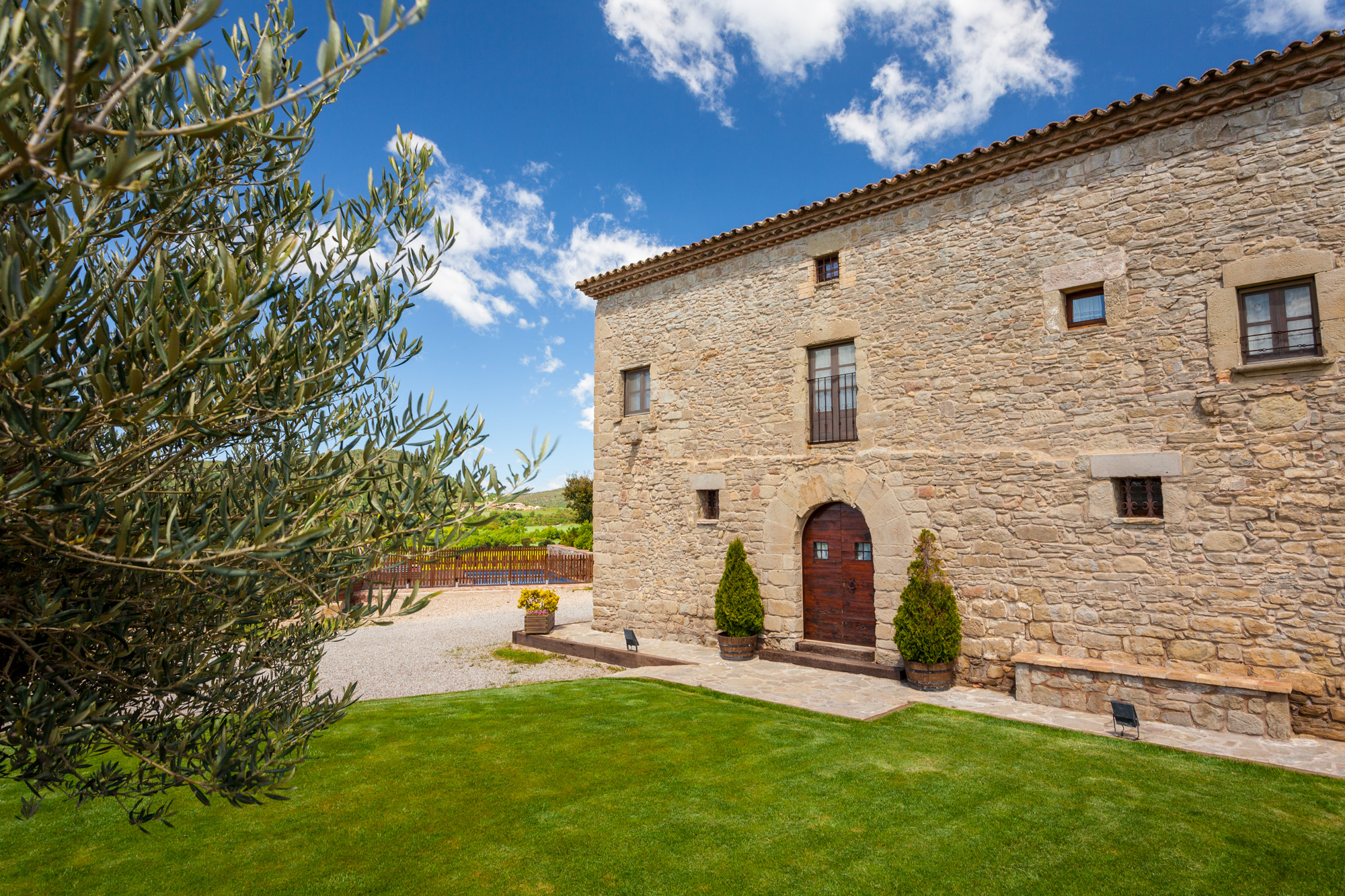
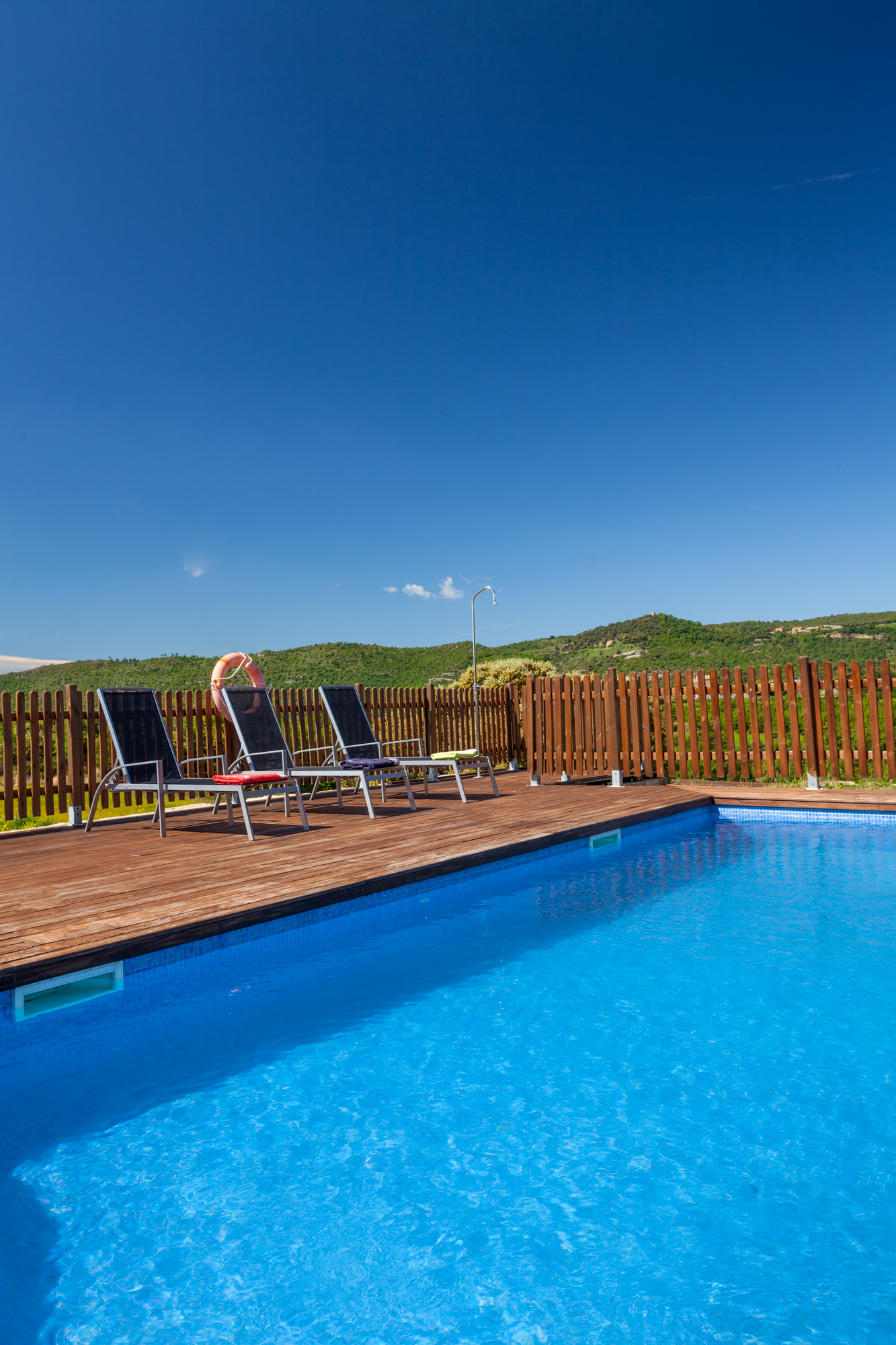
15th-century farmhouse with indoor pool, ideal for groups of up to 20 guests
Check availabilityRelated articles
Pa de Pagès: Traditional Catalan Country Bread
Read more →
Km 0 Products in Berguedà: From Farm to Table
Read more →
Berguedà Gastronomy: Traditional Catalan Mountain Cuisine
Read more →
Berga Saturday Market: Fresh Local Produce Weekly
Read more →