Mountain refuges (refugis in Catalan) are an essential part of hiking culture in the Catalan Pyrenees. These alpine shelters provide basic accommodation, meals, and safety for mountaineers, long-distance hikers, and anyone exploring remote high-altitude terrain. Berguedà comarca is home to several notable refuges, each serving different mountain areas. Understanding the refuge system, booking procedures, and what to expect helps you plan multi-day treks or access peaks that would otherwise require very early starts from valley accommodations.
Understanding the Catalan Refuge System
Catalan mountain refuges operate differently from commercial hotels or hostels, with their own culture and expectations:
Purpose and Philosophy: Refuges exist primarily for mountaineer safety and access, not tourism comfort. They're positioned strategically to break long routes into manageable stages, provide emergency shelter, and enable alpine starts for peak ascents. Comfort is basic by design—you're paying for location and functionality, not luxury.
Management Systems: Most Catalan refuges fall into three categories. FEEC Refuges (Federació d'Entitats Excursionistes de Catalunya) are federation-managed with standardized procedures and discounts for members. CAC Refuges (Centre Excursionista de Catalunya) are club-owned with similar standards. Private Refuges are independently operated, often with more amenities but higher prices. Berguedà has examples of all three types.
Guarded vs. Unguarded: Guarded refuges (refugis guardats) have resident guardians who cook meals, manage bookings, and maintain facilities. They typically operate May-October, with some open year-round or for winter weekends. Unguarded refuges (refugis no guardats) are always open but unstaffed—basic shelter only, bring your own food and sleeping bag, leave a donation in the honesty box.
Booking and Capacity: Most guarded refuges require advance reservations, especially for dinner and weekends. Refuges cannot legally turn away anyone arriving in distress or bad weather, but without a booking you may sleep on the floor or in the emergency room rather than a proper bed.
Major Refuges in Berguedà
Refugi Gresolet (2,000m): Positioned below Pedraforca's eastern face, this is the most popular refuge in Berguedà. Managed by FEEC with 60 bed spaces, it serves as the primary base for climbing Pedraforca. Facilities include: dormitories with mattresses and blankets (bring sleeping bag liner), hot dinners and breakfasts, cold showers, small camping area (€10-12), and stunning sunrise views. Open May-October weekends and daily June-September. Reservations essential for weekends. €20-25 per night; meals €12-18. Phone: +34 660 673 066.
Refugi de Rebost (1,630m): Located in Cadí-Moixeró Natural Park, this smaller refuge (30 beds) offers a quieter alternative. Well-positioned for Cadí ridge traverses and as a first-night stop on trans-Pyrenean routes. Basic but well-maintained with dinner service, limited electricity, and water from nearby spring. Guardian is known for excellent local knowledge and hearty meals. Open June-September. €18-22 per night. Booking: www.refugiderebost.cat
Refugi d'Estasen (1,740m): Private refuge near Gósol, combining mountain refuge functionality with some hotel-like amenities. Individual rooms available alongside dormitories, private bathrooms for room guests, restaurant with extended menu, and year-round access by 4WD vehicle. More expensive (€35-50) but good for those wanting refuge location without extreme rusticity. Family-friendly.
Refugi del Niu de l'Àliga (2,537m): High-altitude refuge on the Cadí ridge, one of Catalonia's most dramatically positioned shelters. Small capacity (20 beds), basic conditions, but unmatched location for ridge walking and sunrise photography. Only for experienced mountain travelers—approach requires significant elevation gain. Open July-September weekends plus August daily. €18 per night.
What to Expect at a Mountain Refuge
First-time refuge users often arrive with hotel expectations. Here's the reality:
Sleeping Arrangements: Most refuges use communal dormitories with bunk beds, sleeping 8-20 people per room. Beds have mattresses and usually blankets, but you must bring your own sleeping bag or liner (required for hygiene). Expect snoring, early risers, and limited privacy. Some refuges have smaller rooms for families or couples (request when booking). Earplugs are essential.
Bathroom Facilities: Toilets are basic and shared. Showers are often cold or solar-heated (limited capacity), sometimes coin-operated. Some refuges have no showers at all—bring wet wipes. Water for drinking comes from mountain springs and is safe but may taste different than bottled water. Bring a reusable bottle.
Meals: Refuge meals are simple, hearty, and designed to fuel hikers. Dinner is typically a set menu served at a fixed time (7-8pm): soup or salad, main course (pasta, stew, or grilled meat), dessert, and bread. Breakfast includes coffee/tea, bread, jam, and sometimes cheese or cold cuts. Vegetarian options usually available if requested when booking. Portions are generous. Bring snacks for lunch/trail food.
Electricity and Connectivity: Many refuges have limited electricity (solar panels or generators), often shut off at night except emergency lighting. Charging stations may be available for a small fee but limited capacity—bring portable battery packs. Wi-Fi is rare and often non-functional. Cell signal varies by refuge location. Embrace the digital detox.
Social Atmosphere: Refuges foster communal dining and shared experiences. You'll eat with other hikers, share trail beta, and likely make friends. This is part of the appeal but requires social energy after a long hiking day. Solo travelers will not be lonely.
Booking a Refuge: Practical Steps
When to Book: For popular refuges like Gresolet in summer, book 2-4 weeks ahead for weekends, 1-2 weeks for weekdays. Less-visited refuges may have space with just days' notice. If you have flexible dates, call refuges directly rather than only using online systems—guardians sometimes have space not shown online.
How to Book: Most FEEC and CAC refuges use online booking systems (www.feec.cat for FEEC refuges). You'll need to: create an account, select refuge and dates, specify if you want dinner/breakfast, indicate if you're a federation member (discounts apply), pay deposit or full amount (varies by refuge). Confirmation arrives by email—screenshot it in case you have no signal when arriving. Private refuges have individual websites or phone booking.
Cancellation Policies: Generally strict due to limited capacity. Most refuges charge 50-100% for cancellations within 7 days of arrival. Weather-related cancellations may be more flexible if you call ahead—guardians understand mountain conditions change. Some refuges allow date changes more readily than refunds.
FEEC Membership Benefits: Joining FEEC (€35-50 annually) provides: 20-30% discounts at federation refuges, reciprocal discounts at refuges throughout Europe via international agreements, insurance coverage for mountain sports, and access to federation activities and courses. Worthwhile if you plan to use refuges multiple times per year.
Walk-In Policy: As mentioned, refuges cannot refuse shelter to people arriving in genuine need. However, without a booking, expect: floor space rather than a bed, no guaranteed meal (you may need your own food), payment in cash (guardians may not process card transactions for walk-ins). Don't plan on walking in during high season—it's inconsiderate and uncomfortable.
What to Pack for a Refuge Stay
Packing for refuges requires balancing weight against comfort:
Essential Items: Sleeping bag liner or lightweight sleeping bag (summer) or full sleeping bag (spring/fall), headlamp with extra batteries, reusable water bottle, toiletries (biodegradable soap, toothbrush, towel), basic first aid kit, blister treatment, any prescription medications, plastic bags for wet/dirty clothes, earplugs, and snacks for trail lunches.
Clothing: Quick-dry hiking clothes, warm layer (fleece or down jacket—refuges can be cold at night even in summer), rain gear, change of socks and underwear, lightweight camp shoes or sandals (to rest feet and use indoors), hat and sun protection.
Optional Comfort Items: Playing cards or small book (refuges have downtime), camera (sunrises from refuges are spectacular), small roll of TP (in case refuge runs out), portable battery pack for devices, trekking poles (helpful on approaches).
Leave Behind: Full toiletry kits, hairdryers, multiple clothing changes, heavy books, laptop, excessive electronics. Refuge stays are about minimalism.
Food Notes: If you've booked meals, you don't need to carry dinner/breakfast ingredients. Bring: trail snacks (nuts, dried fruit, energy bars), lunch items if you're hiking between refuges, emergency food (in case you're delayed or weather-bound), water purification (tablets or filter) if hiking in areas between water sources.
Refuges vs. Rural Houses: When to Choose Each
Refuges and rural houses serve complementary rather than competing purposes:
Choose Refuges When: You're doing multi-day mountain traverses (like the Cadí ridge walk), attempting early summit climbs (Pedraforca from Gresolet), backpacking point-to-point routes, seeking authentic mountain culture, traveling solo or as a couple, and prioritizing location over comfort.
Choose Rural Houses When: You're traveling with groups of 8+ people, have young children or elderly family members, want a comfortable base for day hikes (returning each evening), prefer privacy and your own space, need full kitchen facilities, want pool/jacuzzi relaxation after hikes, and are planning 4+ night stays in one location.
Hybrid Approach: Many savvy travelers use both strategically. Example week in Berguedà: Stay at La Tor de Montclar for 5 nights as your main base, using it for day hikes to Bagà, Gósol, Queralt, and local trails. Then spend 2 nights at Refugi Gresolet for a proper mountain experience, climbing Pedraforca and watching sunrise from 2,000m. This combines comfort and adventure without overstressing group members who may not want full-week rustic camping.
Cost Perspective: A refuge night costs €20-25 plus €25-30 for meals = €45-55 per person. For couples, two nights equals €90-110 each = €180-220 total. At La Tor, weekend rate of €1,800 ÷ 2 people = €900 each, but that includes 2 nights with full house, kitchen, pool, and village access. Refuges are absolutely cheaper per night but offer vastly different experiences. Use refuges for mountain nights where location justifies the cost; use rural houses for comfortable multi-day bases.
Both have their place in a well-rounded Berguedà trip. Don't see it as either/or—see it as different tools for different purposes.
Practical information
Most refuges require 1.5-3 hour hike from nearest road access; some accessible by 4WD
€18-25 per night for bed; meals €12-18; FEEC members receive 20-30% discount
June-September for guarded refuges; July-August for high-altitude refuges
Discover Berguedà from La Tor de Montclar
15th-century farmhouse with indoor pool, ideal for groups of up to 20 guests
Check availabilityRelated articles
Camping in Berguedà: Campsites, Wild Camping Rules & Best Spots
Read more →
Hostels and Budget Accommodation in Berguedà: Albergs Guide
Read more →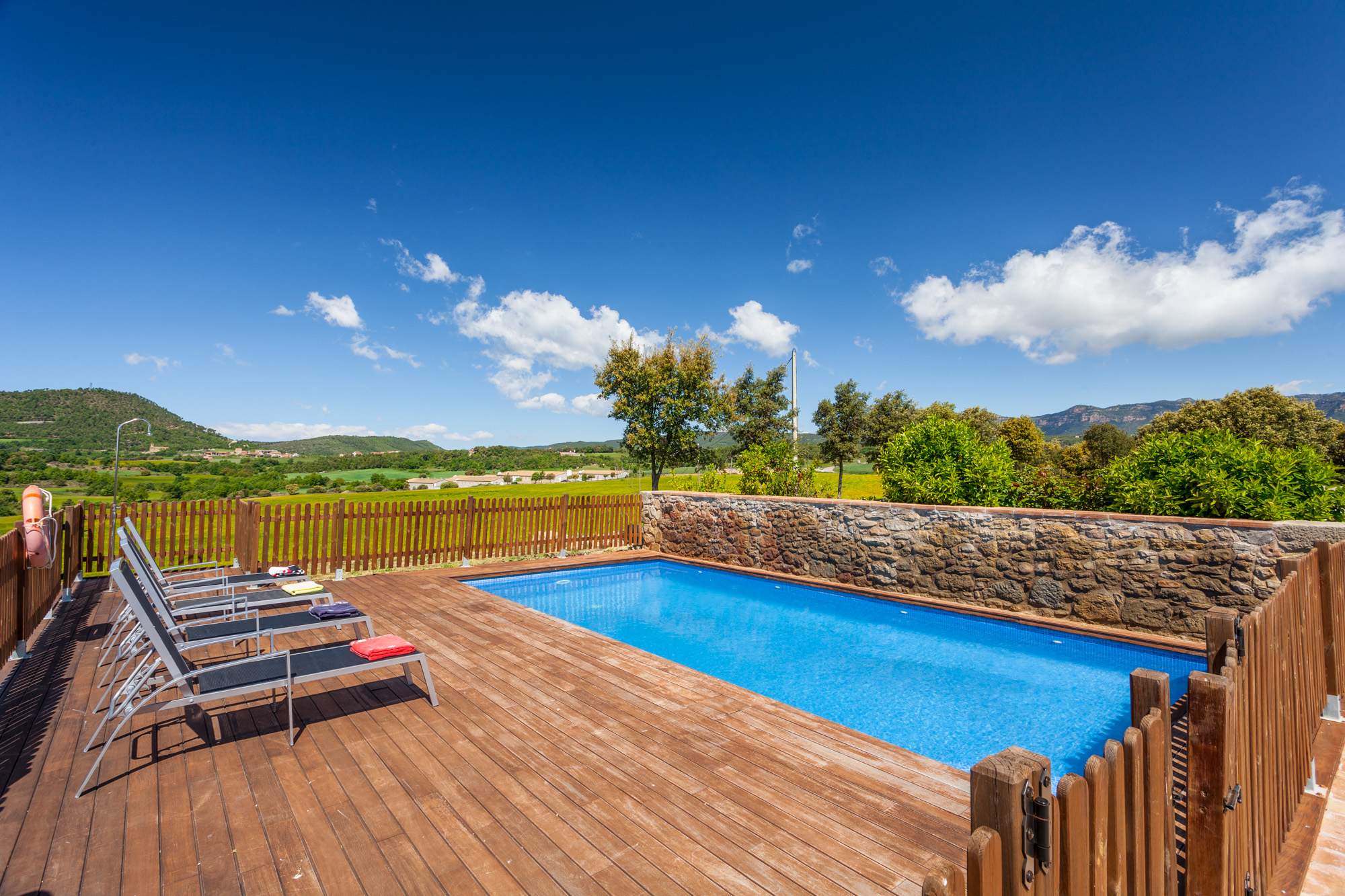
Cyclist-Friendly Accommodation in Berguedà: Bike Routes & Lodging
Read more →
Spanish Rural Accommodation Explained: Masías, Casas Rurales & More
Read more →