Planning a rural escape in Catalonia? Understanding the different types of Spanish rural accommodation is key to choosing the right experience. From historic masías to mountain refuges, Spain offers unique lodging options quite different from British B&Bs or French gîtes. This guide explains the main categories and what to expect.
Spanish Rural Accommodation: Official Categories
Spain regulates rural tourism accommodation through official classifications that vary by region. In Catalonia, the Turismo de Catalunya registry distinguishes several types:
- Cases de pagès (farmhouses): Working farms offering accommodation, similar to agritourism in Italy or farm stays in the UK
- Masías: Traditional stone farmhouses available for full rental, comparable to French gîtes but typically larger and more luxurious
- Casas rurales: Rural houses in villages with fewer than 2,000 inhabitants, like British holiday cottages but with historic Spanish architecture
- Apartamentos rurales: Self-catering flats in rural settings, offering complete independence
Unlike British B&Bs where you share common areas with hosts, most Spanish rural accommodation offers exclusive rental of the entire property. This makes them ideal for groups and families seeking privacy.
What is a Masía? The Quintessential Catalan Experience
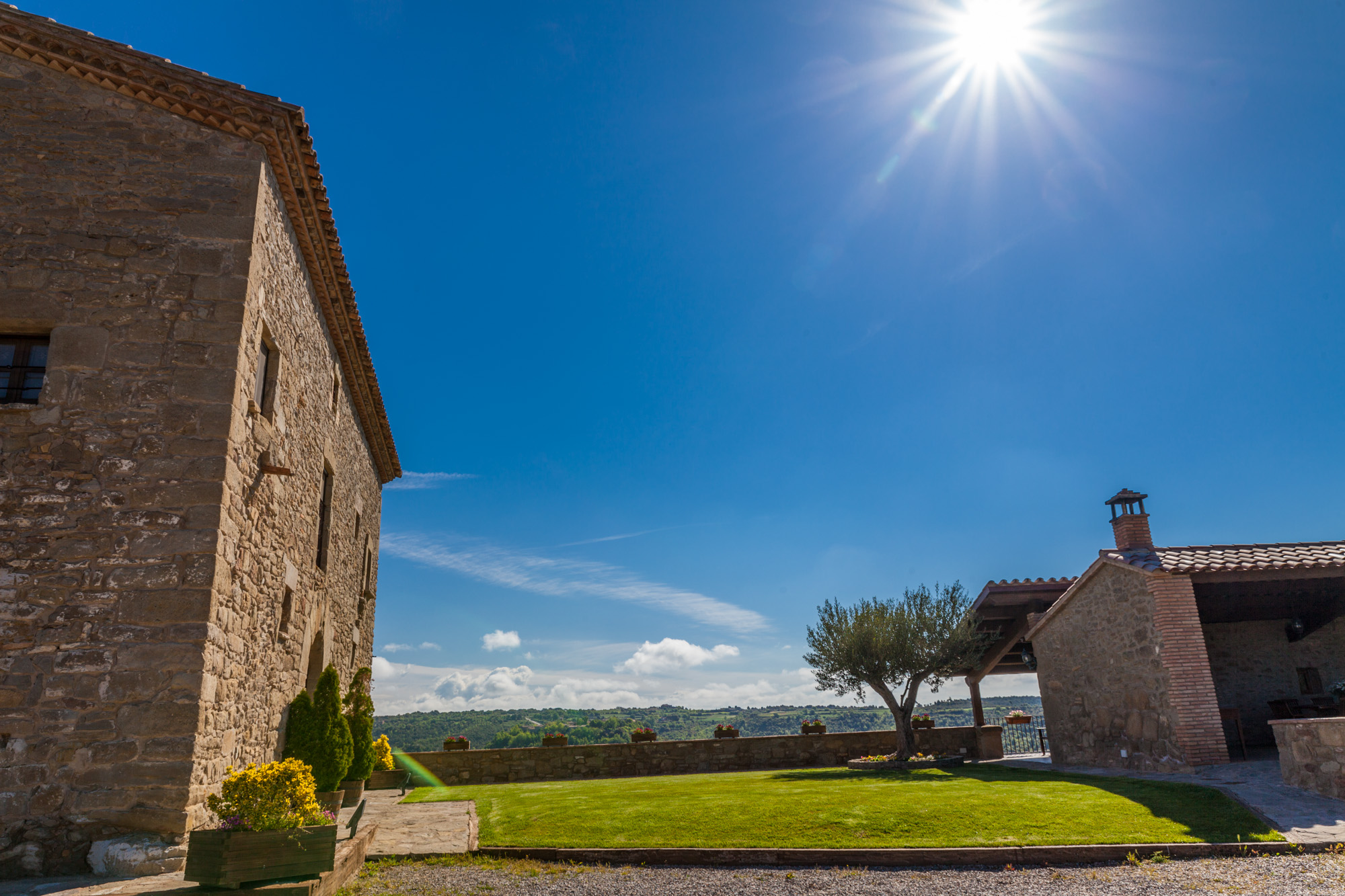
A masía (plural: masías) is a traditional Catalan farmhouse, typically built from local stone between the 14th and 18th centuries. Think of it as Spain's answer to a French mas or Italian cascina, but with unique Catalan architectural features:
- Thick stone walls (60-80cm) providing natural insulation
- Vaulted ceilings with exposed wooden beams
- Multiple floors originally housing family, livestock, and storage
- South-facing orientation to maximize sunlight
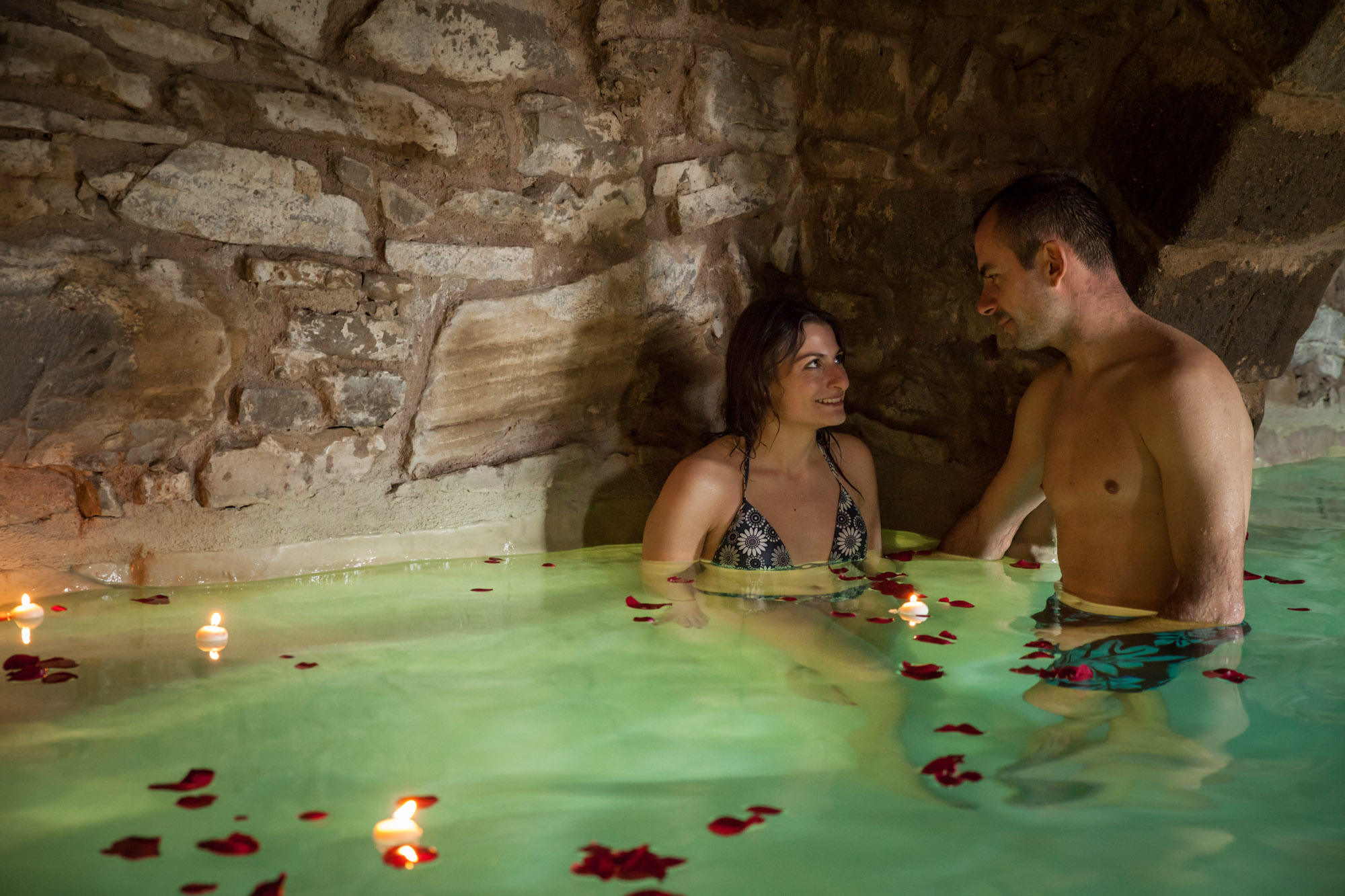
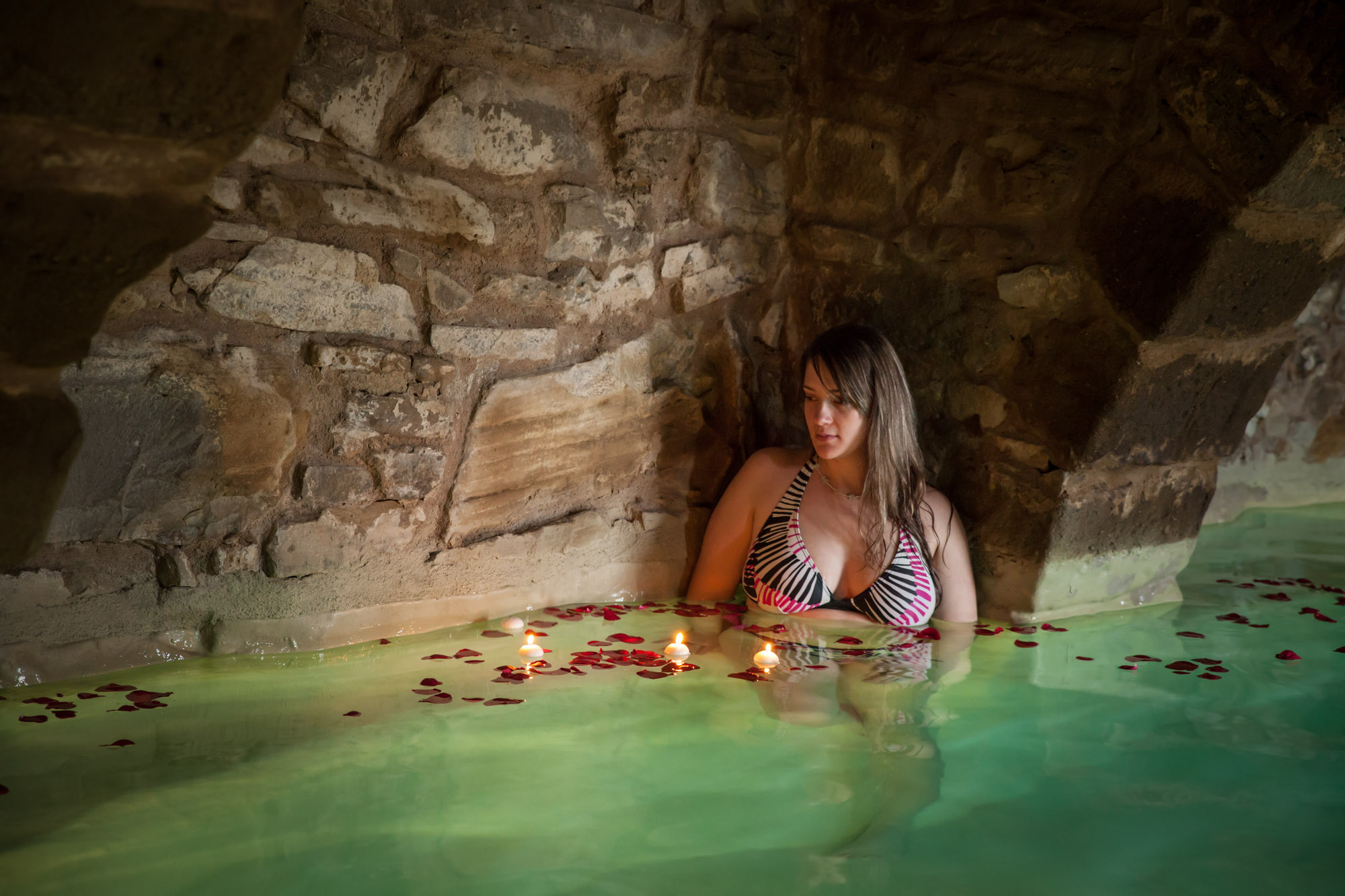
La Tor de Montclar, for example, is a 15th-century masía in the Berguedà mountains accommodating 15-20 guests. Renovated with modern amenities including an indoor heated pool and jacuzzi, it exemplifies the gold standard of masía tourism: authentic architecture meets contemporary comfort.
Unlike Airbnb apartments, masías typically require minimum stays of 2-3 nights and are rented as a whole unit, never by the room.
Casa Rural vs B&B: Understanding the Difference
If you're from the UK, Ireland, or North America, casa rural might sound similar to a B&B. However, there are crucial differences:
| Feature | Spanish Casa Rural | British B&B |
|---|---|---|
| Rental type | Usually entire property | Individual rooms |
| Breakfast | Self-catering (you cook) | Included & served |
| Host presence | Not on-site | Lives on property |
| Kitchen access | Full kitchen | Usually none |
| Best for | Groups & families | Couples & solo travelers |
Spanish casas rurales offer complete privacy and autonomy. You receive keys, let yourselves in, and use the property as your own. Hosts provide a phone number for emergencies but otherwise leave you undisturbed—perfect if you value independence over daily housekeeping.
Mountain Refuges (Refugios): The Pyrenean Hut Experience
Spain's refugios (Catalan: refugis) are mountain huts similar to Alpine refuges in Switzerland or bothies in Scotland, but with more amenities. Located along hiking trails in the Pyrenees, they offer:
- Shared dormitory accommodation with bunk beds (bring your sleeping bag liner)
- Home-cooked meals: Dinner and breakfast typically included, served communal-style
- No electricity or wifi in some remote refugios (solar power only)
- Strict timetables: Dinner at 7-8pm, lights out by 10pm
The Refugi Lluís Estasen at the foot of Pedraforca mountain exemplifies the Spanish refugio experience: basic but clean facilities, hearty mountain cooking, and the camaraderie of fellow hikers sharing route stories over dinner.
Key difference from Alpine huts: Spanish refugios are generally cheaper (€15-45 vs €50-80) and more relaxed about booking, though summer weekends fill quickly.
Booking Tips for International Travelers
Navigating Spanish rural accommodation as a foreigner? Here are essential tips:
- Verify the tourism license number: All legal accommodation displays a registration code (e.g., "HUTB-XXXXXX"). Check the Catalan tourism registry to avoid unlicensed properties
- Understand the rental model: Most casas rurales and masías have fixed weekend rates (Friday-Sunday) and midweek rates (Sunday-Thursday). You typically cannot book just Saturday night
- Clarify what's included: Unlike hotels, linen and towels may not be included. Ask about heating costs in winter—some properties charge separately
- Check accessibility: Many historic masías have narrow staircases and no lifts. If you have mobility concerns, verify ground-floor access
- Ask about the kitchen: "Fully equipped" varies widely. If you plan to cook, confirm basics like oven, dishwasher, and cookware for your group size
For payment, most rural properties accept bank transfers (common in Spain) alongside credit cards. Expect to pay a 30-50% deposit when booking.
Cultural Expectations: What Spanish Hosts Expect from Guests
Spanish rural tourism has some unwritten rules that differ from Anglo-Saxon hospitality:
- Cleaning: You're expected to leave the property reasonably tidy. Many owners charge a cleaning fee, but you should still wash dishes and take out rubbish
- Noise: Spanish villages sleep early. Keep noise down after 10pm and respect siesta time (2-5pm) on weekends
- Respect for property: These are often family heirlooms. Treat antique furniture and décor with care
- Fiesta considerations: During local festivals (fiestas mayores), villages can be noisy. Check the calendar if you want tranquility
Tipping is not expected in rural accommodation, but leaving a positive review on Google or the property's website is highly valued by Spanish hosts.
Practical information
€80-150/night (apartments) | €200-400/night (small masías) | €1,400-1,800/night (large masías like La Tor)
Year-round, but book 2-3 months ahead for summer (July-August) and major holidays
Frequently asked questions
Unlike a B&B, where you rent an individual room in an owner-occupied home, a casa rural is rented as a whole property with no host on-site, giving your group complete privacy. You are responsible for your own meals using the fully equipped kitchen, rather than receiving a served breakfast.
Prices vary widely by type: rural apartments start around €80-150 per night, small masías cost €200-400 per night, and large premium masías accommodating 15-20 guests range from €1,400-1,800 per night for the entire property.
The key factor is group size and privacy preference: couples and solo travelers often find rural hotels or small casas rurales better value, while families and groups of 8 or more save money and gain privacy by renting an entire masía or casa rural.
Discover Berguedà from La Tor de Montclar
15th-century farmhouse with indoor pool, ideal for groups of up to 20 guests
Check availability