Planning a rural escape in Catalonia? The choice between a rural hotel and a casa rural (rural house) fundamentally shapes your experience. This isn't just about beds and breakfast—it's about how you want to experience the Spanish countryside. For international travelers accustomed to country house hotels in Britain or auberges in France, understanding Spain's options ensures you book the right accommodation for your expectations.
Defining the Options: What Are You Actually Booking?
First, let's clarify what these terms mean in Spain:
Rural Hotel (Hotel Rural):
- Licensed hotel in a rural setting, often in a restored historic building
- You book individual rooms, just like a city hotel
- On-site staff provide services: reception, housekeeping, sometimes restaurant
- Shared common areas with other guests
- Operates year-round with professional management
Casa Rural (Rural House):
- Entire property rental, similar to vacation rentals or self-catering cottages
- You rent the whole building, never individual rooms
- No staff on-site during your stay (owner provides phone contact)
- Complete privacy—no other guests
- Fully equipped kitchen and self-catering expectations
Think of it this way: a rural hotel is like renting rooms in a countryside B&B, while a casa rural is like renting an entire cottage on Airbnb—but typically much larger and more luxurious.
Privacy and Exclusivity: The Core Difference
This is the defining distinction that affects everything else:
Rural Hotel Experience:
- You'll share the breakfast room, lounge, pool, and gardens with 10-30 other guests
- Other people's children may be in the pool while you're trying to relax
- Conversations happen at normal volume—you're in a shared space
- You follow the hotel's schedule: breakfast 8-10am, dinner seatings at fixed times
Casa Rural Experience:
- The entire property is yours: every bedroom, all bathrooms, the full kitchen, all outdoor spaces
- The pool, jacuzzi, gardens, and BBQ are exclusively for your group
- Conversations can be loud, music can play, children can shriek—it's your space
- You set your own schedule: breakfast at noon, dinner at midnight, nobody cares
For couples seeking romance, the privacy difference is less critical—a well-run rural hotel provides intimacy in your room. But for families and groups, especially with children, the casa rural model is transformative. No apologizing when kids get excited, no competing for pool space, no judging glances in the breakfast room.
Cultural note: Unlike British country house hotels where shared spaces foster socializing, Spanish rural culture values privacy highly. Most Spanish families prefer renting entire properties to sharing facilities with strangers.
Services and Amenities: Serviced vs Self-Catering
Each model offers different conveniences:
| Service | Rural Hotel | Casa Rural |
|---|---|---|
| Breakfast | Included, served 8-10am | Self-catered (you shop & cook) |
| Daily housekeeping | Yes, rooms cleaned daily | No, you maintain the space |
| Reception/Concierge | 24-hour or daytime staff | Owner phone number only |
| Meals | Restaurant on-site or nearby | Full kitchen (cook yourself) |
| Linen changes | Mid-stay for long visits | Usually not available |
| Activity booking | Staff can arrange tours | You research and book |
| Kitchen access | Rarely available | Fully equipped kitchen |
The Casa Rural Advantage: La Tor de Montclar Example
Premium casas rurales like La Tor de Montclar blur these lines by offering hotel-like amenities:
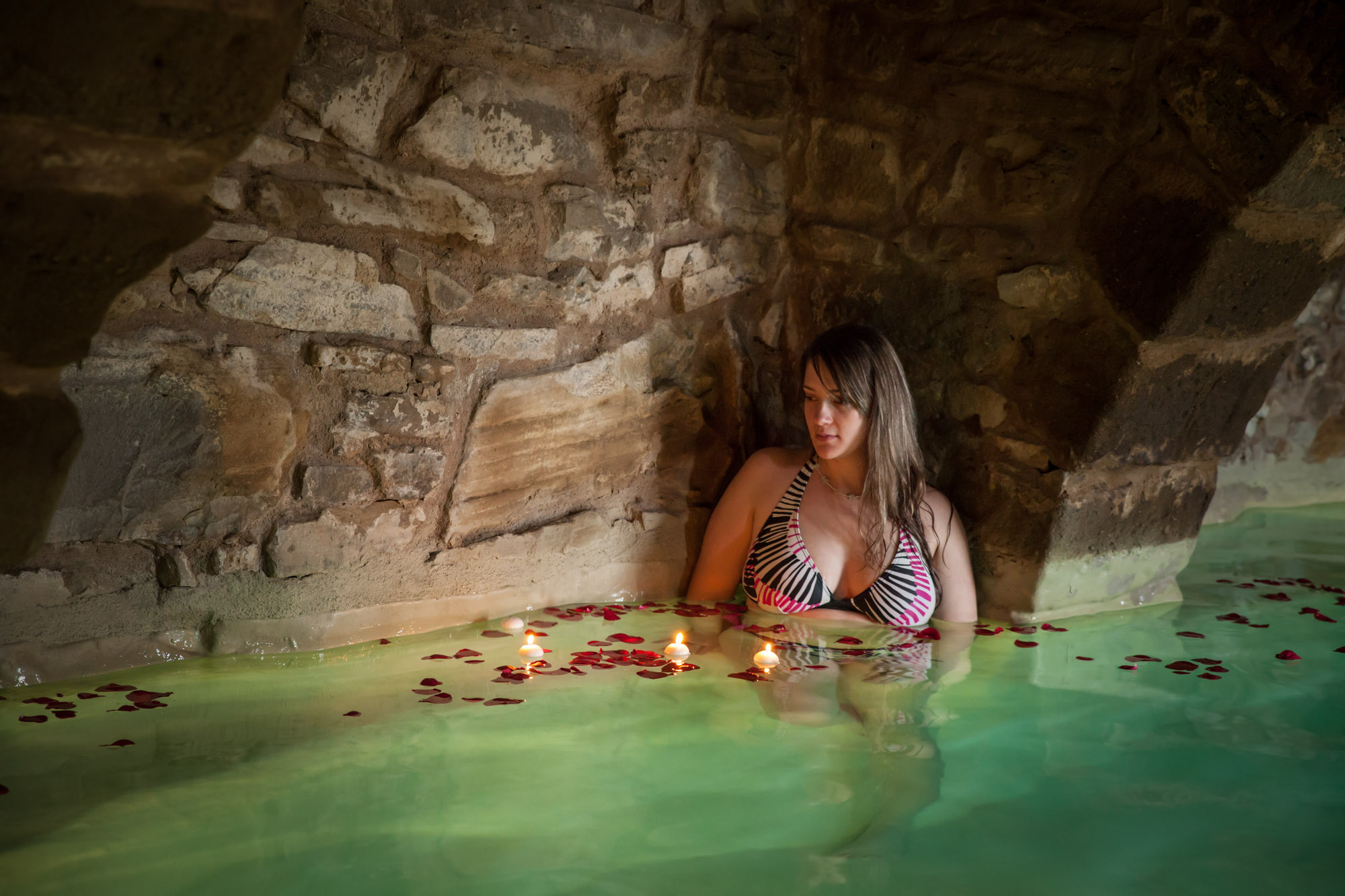
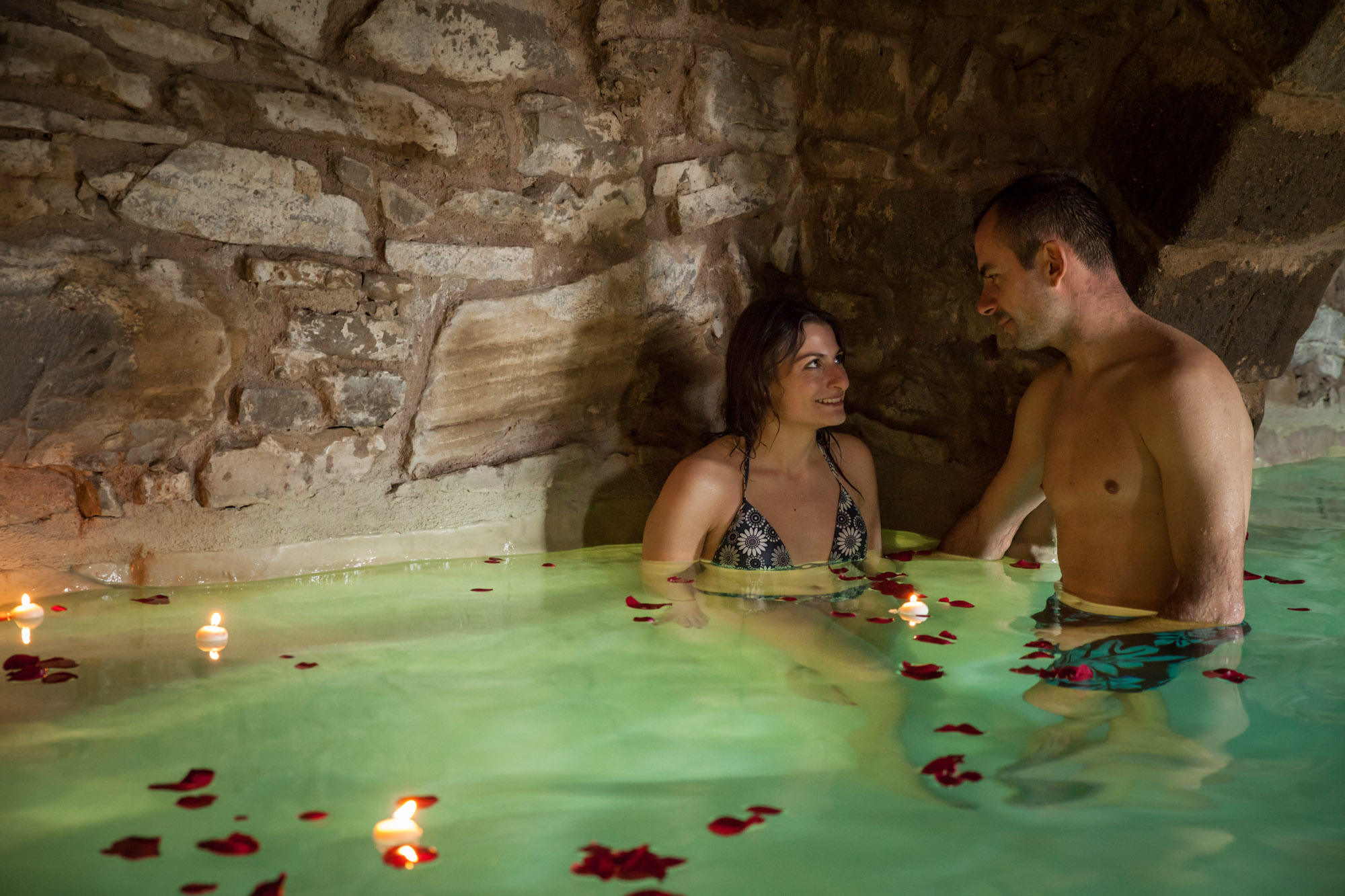
- Indoor heated pool and jacuzzi: Wellness facilities rivaling rural hotels
- Professional-grade kitchen: Equipment quality exceeding most vacation rentals
- Multiple entertainment spaces: Lounges, game areas, outdoor terraces—varied spaces like a small hotel
- Comprehensive information: Detailed guides to local restaurants, hiking trails, and activities
You sacrifice daily housekeeping and served meals, but gain complete autonomy and amenities most hotels can't match.
Cost Analysis: When Does Each Option Make Sense?
Price comparison depends entirely on group size:
For Couples (2 people):
- Rural hotel: €120-180/night for a double room with breakfast
- Casa rural: €200-400/night for the entire property (wasted space and cost for 2 people)
- Winner: Rural hotel, unless you specifically want complete isolation
For Small Families (4-6 people):
- Rural hotel: 2-3 rooms × €140/night = €280-420/night + restaurant meals
- Small casa rural: €250-350/night + groceries
- Winner: Close call; casa rural saves money if you cook most meals
For Groups (10-20 people):
- Rural hotel: 5-10 rooms × €140/night = €700-1,400/night + all restaurant meals (add €800-1,200 for 3 days)
- Large casa rural/masía: €1,400-1,800/night + groceries (€300-500 for 3 days)
- Winner: Casa rural by a landslide—roughly 40-50% cheaper overall, with better facilities
The Break-Even Point:
For groups of 8 or more people, casas rurales almost always deliver better value. You're paying similar total costs but gaining exclusive use of facilities and the ability to self-cater.
Example: A group of 15 people staying at La Tor de Montclar pays €1,800 for a weekend night = €120 per person for accommodation with indoor pool, jacuzzi, and full amenities. Equivalent rural hotel rooms would cost €150+ per person, without the same facilities or privacy.
Experience and Lifestyle: How Do You Want to Vacation?
Beyond logistics, this decision reflects vacation philosophy:
Choose a Rural Hotel If You:
- Want to be taken care of—no cooking, no cleaning, no planning
- Enjoy socializing with other travelers over breakfast or at the bar
- Are couples or solo travelers who don't need extensive space
- Prefer spontaneous travel—hotels accommodate last-minute bookings and flexible lengths
- Value staff recommendations and organized excursions
- Don't want to rent a car—hotels often provide shuttle services or are in villages with public transport
Choose a Casa Rural If You:
- Prioritize privacy and autonomy—set your own schedule and rules
- Travel with a group or extended family and want everyone together
- Enjoy cooking and the ritual of shared meal preparation
- Seek authentic immersion—living like a local in a traditional building
- Want to stay in pajamas all morning without judgement
- Need exclusive facilities for children, pets, or celebrations
The Authenticity Factor:
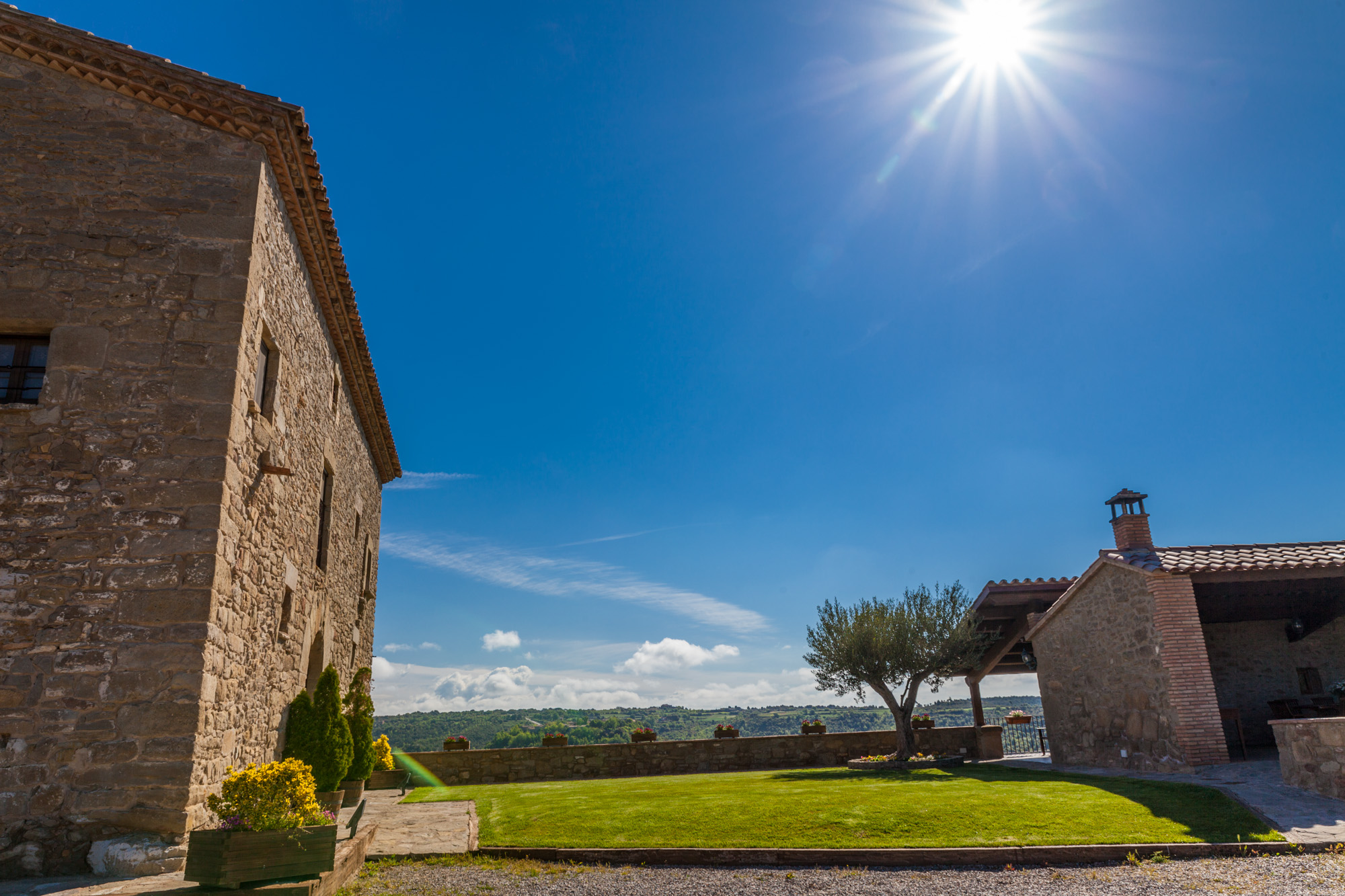
Staying in a casa rural, especially a historic masía like La Tor de Montclar, offers something hotels cannot: inhabiting history. You're sleeping in a 600-year-old building, cooking in kitchens where generations of Catalan families prepared meals, sitting by fireplaces that warmed medieval winters.
Rural hotels, while often charming, operate as businesses first. Casas rurales, especially family-owned properties, feel more like stewardship—you're temporarily caring for someone's ancestral home.
Practical Considerations and Hidden Factors
Some less obvious points that affect satisfaction:
Flexibility:
- Hotels: Easy to extend/shorten stays, cancel with notice, book last-minute
- Casas rurales: Strict minimum stays (usually 2-3 nights), deposit required, limited flexibility
Location:
- Hotels: Often in villages with walking access to restaurants and shops
- Casas rurales: Frequently isolated—you need a car and must drive for supplies
Accessibility:
- Hotels: Modern renovations usually include lifts and accessible rooms
- Casas rurales: Historic buildings with steep stairs and no lifts—challenging for mobility issues
Social Dynamics:
- Hotels: Built-in socializing opportunities—good for solo travelers or couples wanting to meet people
- Casas rurales: Complete isolation—wonderful for groups, potentially lonely for solo travelers
Weather Dependency:
- Hotels: Indoor entertainment spaces, bars, and organized activities help on rainy days
- Casas rurales: If outdoor activities are cancelled by weather, you're confined to the property (make sure it has ample indoor spaces)
This is why properties like La Tor de Montclar excel—the indoor heated pool and jacuzzi mean weather doesn't limit your experience. Rain outside? Everyone's happily swimming indoors.
Practical information
Rural hotels: €120-180/night per room | Small casas rurales: €200-400/night | Large masías: €1,400-1,800/night (entire property)
Hotels offer year-round flexibility | Casas rurales best booked for shoulder seasons (May-June, Sept-Oct) when weather is good but prices lower
Discover Berguedà from La Tor de Montclar
15th-century farmhouse with indoor pool, ideal for groups of up to 20 guests
Check availability