The masía is to Catalonia what the château is to France or the villa to Tuscany: an architectural icon that defines the rural landscape. These centuries-old stone farmhouses, once the backbone of Catalonia's agricultural economy, have been transformed into some of Europe's most distinctive rural accommodations. For international travelers, staying in a masía offers an authentic slice of Catalan heritage.
Etymology and Origins: From Medieval Farms to Tourism
The word "masía" derives from "mas," meaning a family-run agricultural estate. These structures emerged between the 10th and 11th centuries during the Reconquista, when Christian kingdoms pushed southward and established new farming settlements across Catalonia.
Unlike English manor houses built for nobility, masías were working farms built by and for agricultural families. They functioned as self-sufficient economic units combining:
- Living quarters for extended families (often three generations)
- Wine cellars (celler) and olive oil presses
- Stables for livestock and draft animals
- Granaries and food storage for winter
- Workshops for carpentry, blacksmithing, and textile work
By the 15th-18th centuries, prosperous families expanded their masías, adding defense towers (torres), private chapels, and arcaded galleries—architectural flourishes that distinguish Catalan masías from simpler farmhouses elsewhere in Spain.
Architectural Features: Reading a Masía Like a Book
Catalan masías follow a recognizable architectural template refined over centuries:
Orientation and Structure:
- Rectangular floor plan aligned north-south to maximize sunlight on living areas
- Gable roof with traditional terracotta tiles (teules), oriented to shed rain and snow
- Thick stone walls (60-100cm) providing thermal mass—cool in summer, warm in winter
- Small windows on the north side to minimize cold winds, larger openings facing south
Interior Organization (Traditional Three-Story Layout):
- Ground floor (baixos): Originally stables, wine cellars, storage. Stone floors, vaulted ceilings
- First floor (planta noble): Main living quarters with kitchen, dining hall, and bedrooms. Wooden floors and windows
- Attic (golfes): Used for drying produce, grain storage, and housing farm workers. Exposed beams and rafters
Distinctive Elements:
- Volta catalana: Catalan vaults—shallow brick arches creating curved ceilings without needing wood beams
- Portal de dovelles: Semi-circular stone arches framing the main entrance
- La torre: Square defense towers added by wealthy families, now often converted to premium suites
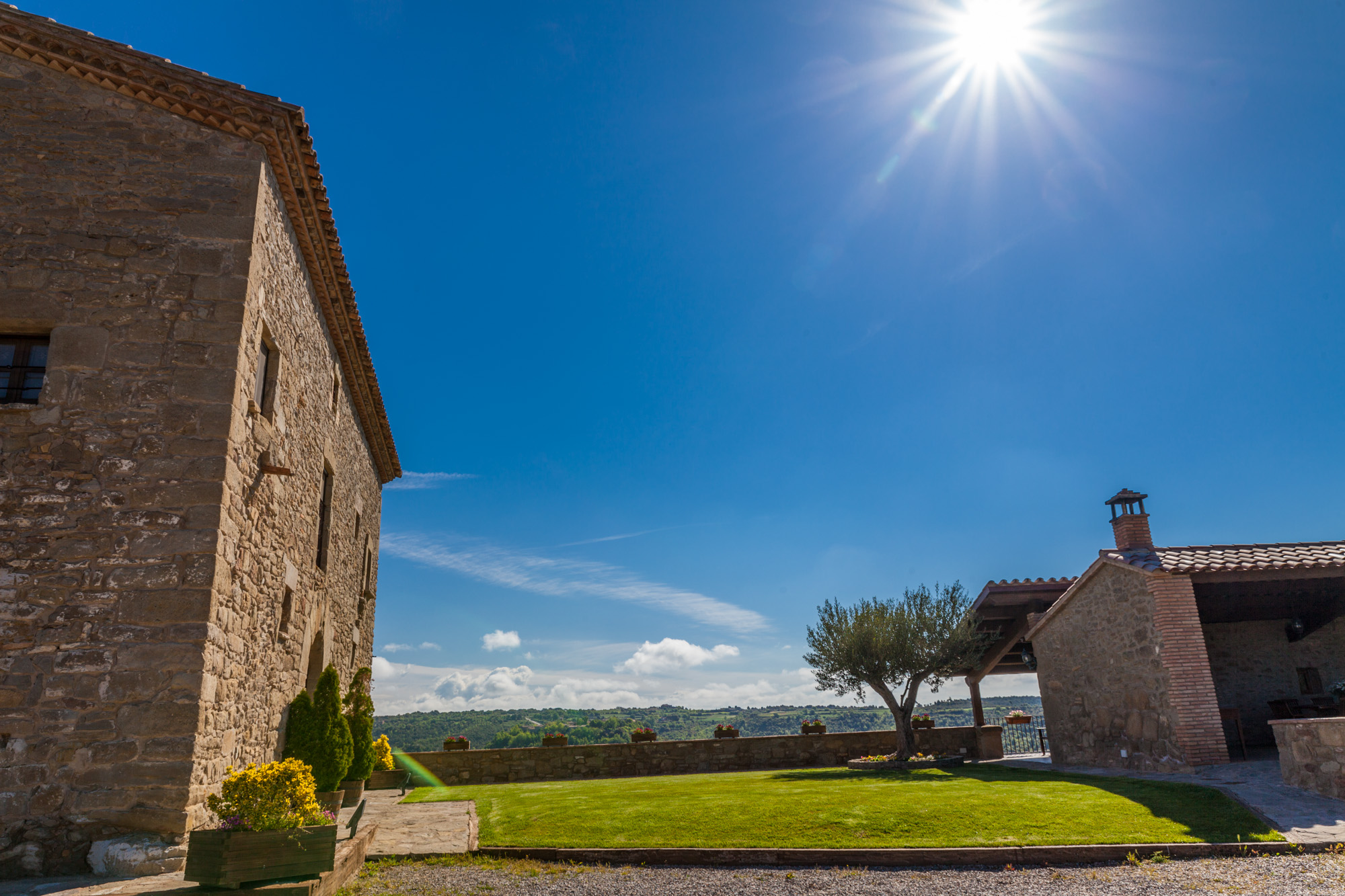
When you visit La Tor de Montclar, you're seeing these features preserved: the "tor" (tower) in its name indicates this 15th-century masía once belonged to a prosperous family, while the stone arches and exposed beams showcase authentic medieval construction techniques.
Masías vs Similar Rural Properties Worldwide
How does a Catalan masía compare to equivalent rural accommodations internationally?
| Property Type | Region | Key Differences |
|---|---|---|
| Gîte | France | Usually smaller; often attached to owner's house; lighter construction |
| Cottage | UK/Ireland | More compact; separate from agricultural function; cozy rather than grand |
| Cascina | Italy (Piedmont) | Similar concept; often includes winemaking; more Renaissance decoration |
| Cortijo | Andalusia, Spain | Mediterranean climate version; whitewashed walls; central courtyard |
| Masía | Catalonia, Spain | Large scale (500-2000m²); imposing stone; medieval origins; mountain climate |
The defining characteristic of masías is scale and durability. These aren't quaint cottages—they're fortress-like structures built to house large extended families and withstand Pyrenean winters. A typical masía renovation accommodates 10-20+ guests, far larger than most European rural properties.
The Masía Tourism Boom: From Ruin to Luxury Accommodation
By the mid-20th century, rural depopulation left many masías abandoned. Families moved to Barcelona for industrial work, and ancient farmhouses fell into ruin. The turnaround began in the 1990s when Catalan tourism officials recognized masías' potential.
The transformation involved:
- Strict heritage regulations: Renovations must preserve exterior stone facades and structural elements
- Modern infrastructure: Adding central heating, modern kitchens, and bathrooms while maintaining historic character
- Luxury additions: Many masías now feature swimming pools, hot tubs, and spa facilities—amenities medieval farmers never imagined
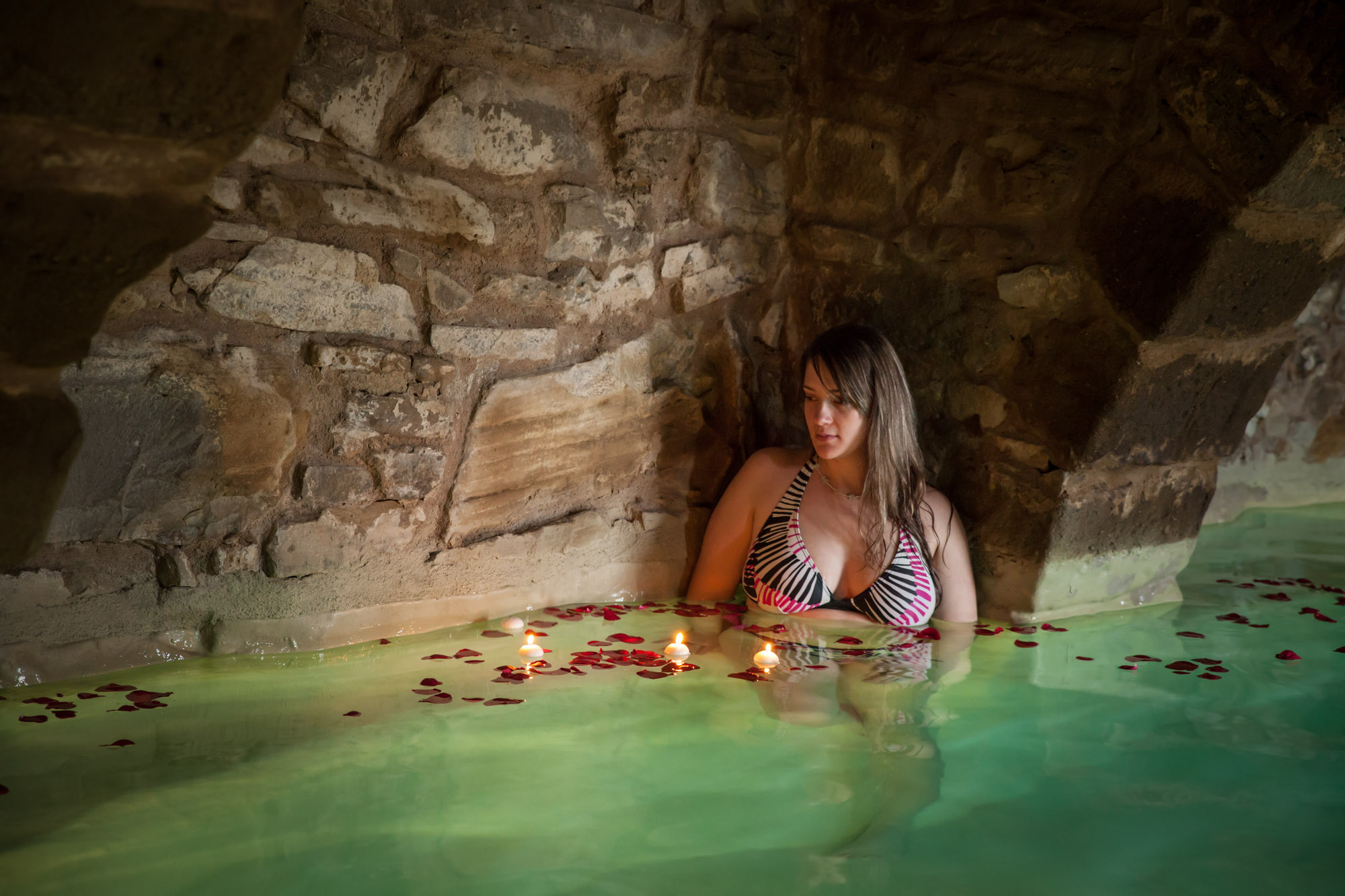
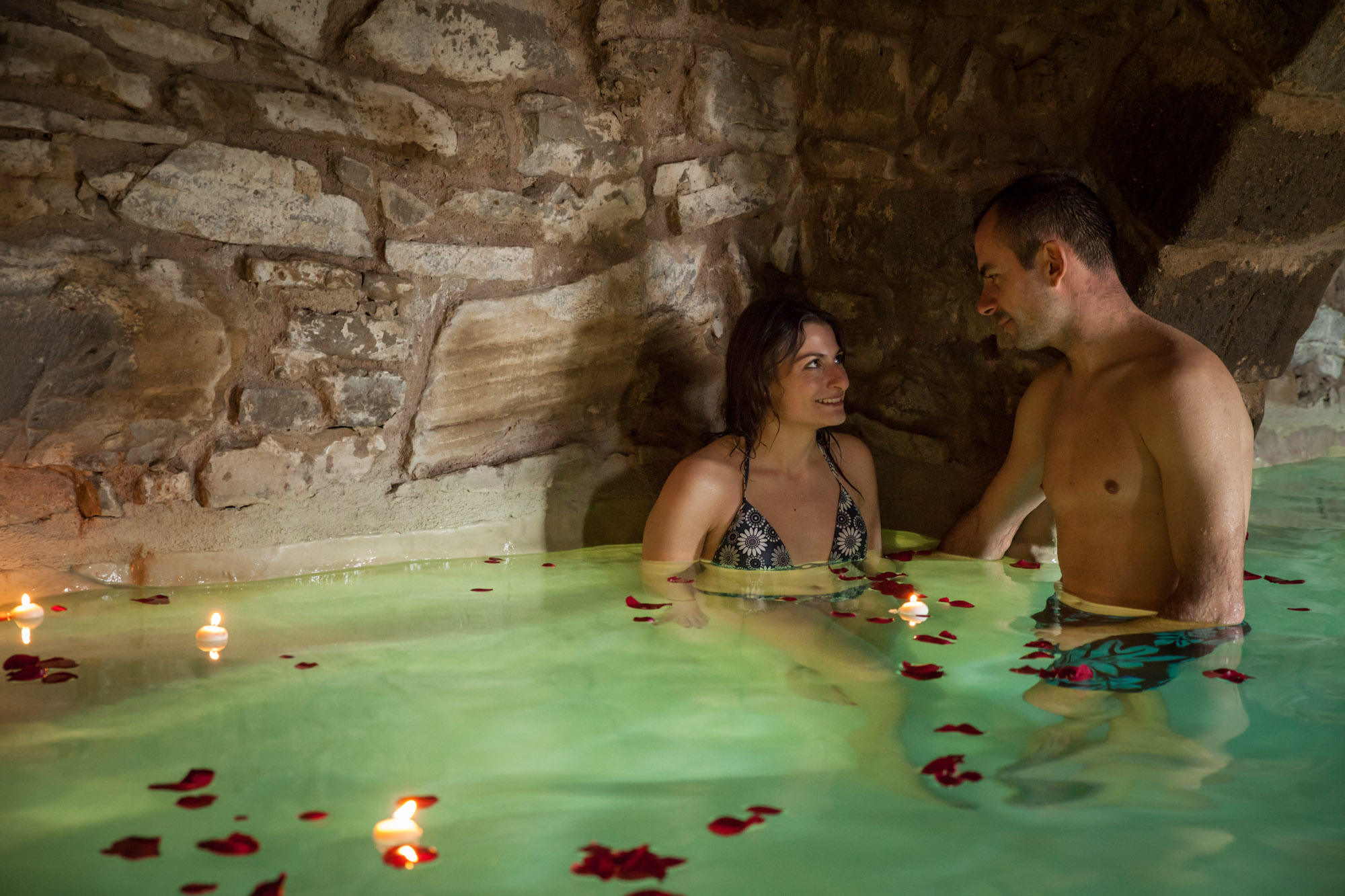
The result is a unique hospitality product: authentic 600-year-old stone walls surrounding five-star comfort. La Tor de Montclar exemplifies this balance—its 15th-century architecture and wooden beams transport you to medieval Catalonia, while the indoor heated pool and jacuzzi provide contemporary wellness experiences.
For international travelers, this represents exceptional value. You're not just renting a house—you're inhabiting a piece of Catalan history, sleeping under centuries-old beams in a building that has witnessed six hundred years of mountain life.
What to Expect When Staying in a Masía
Planning your first masía stay? Here's what differs from standard vacation rentals:
Space and Layout:
- Expect multiple levels with stone or wooden staircases (often steep by modern standards)
- Bedrooms may vary in size—the planta noble rooms are typically larger and grander
- Thick walls mean excellent sound insulation between rooms
- Rooms may feel cool due to stone construction—good in summer, cozy in winter with heating
Amenities and Quirks:
- Fireplaces: Many masías have working fireplaces (firewood often provided). Learn to use them—they're part of the experience
- Outdoor spaces: Expect extensive gardens, terraces, and land. You're not in a neighborhood—the nearest house may be kilometers away
- Authenticity vs convenience: Doors may creak, floors may be uneven, and antique furniture requires gentle handling
Group Dynamics:
Masías excel at hosting multi-generational family reunions and friend groups. The spacious communal areas (dining halls, lounges) encourage togetherness, while private bedroom wings allow for individual retreat. Unlike hotels where groups scatter to separate rooms, masía living keeps everyone connected while respecting personal space.
Finding and Booking the Right Masía
With hundreds of masías available for tourism, how do you choose?
Key Questions to Ask:
- Actual vs maximum capacity: A "sleeps 20" masía might have 6 bedrooms. Clarify bed configurations
- Heating: Essential for off-season stays. Confirm type (central heating vs individual heaters) and if costs are included
- Kitchen equipment: If cooking for a group, verify: oven size, number of burners, dishwasher, serving dishes
- Pool season: Outdoor pools typically operate June-September. Indoor heated pools like at La Tor de Montclar work year-round
- Access: Some masías require driving on unpaved roads. Check vehicle requirements if arriving by rental car
Pricing Models:
- Most masías charge per property, not per person
- Weekend rates (Friday-Sunday) are typically 30-50% higher than midweek
- Peak season (July-August, Easter, Christmas) requires booking 3-6 months ahead
- Look for weekly discounts—staying 7+ nights often reduces the per-night cost significantly
The Berguedà region, where La Tor de Montclar is located, offers exceptional masía value. You're in the Catalan Pyrenees with easy access to Barcelona (90 minutes), yet prices are 30-40% lower than equivalent properties in the Cerdanya or Costa Brava areas.
Practical information
Small masías (6-10 guests): €200-400/night | Large masías (15-20 guests): €1,400-1,800/night
Year-round, each season offers different appeal: spring wildflowers, summer mountain activities, autumn colors, winter snow
Frequently asked questions
A masía is a traditional Catalan stone farmhouse, typically built between the 14th and 18th centuries, that functioned as a self-sufficient agricultural estate for extended families. Today, many have been renovated into rural accommodation while preserving their medieval architecture.
Masías are characterized by thick stone walls (60-100 cm), gable roofs with terracotta tiles, Catalan vaulted ceilings (volta catalana), semi-circular stone entrance arches (portal de dovelles), and a rectangular three-storey layout oriented to maximize sunlight. Wealthier families also added square defence towers.
Expect large communal spaces across multiple levels with stone staircases, rooms that are cool in summer and cosy in winter due to thick stone walls, working fireplaces, and extensive private gardens or grounds. Masías are rented as entire properties, so there are no other guests and no daily housekeeping service.
Discover Berguedà from La Tor de Montclar
15th-century farmhouse with indoor pool, ideal for groups of up to 20 guests
Check availability