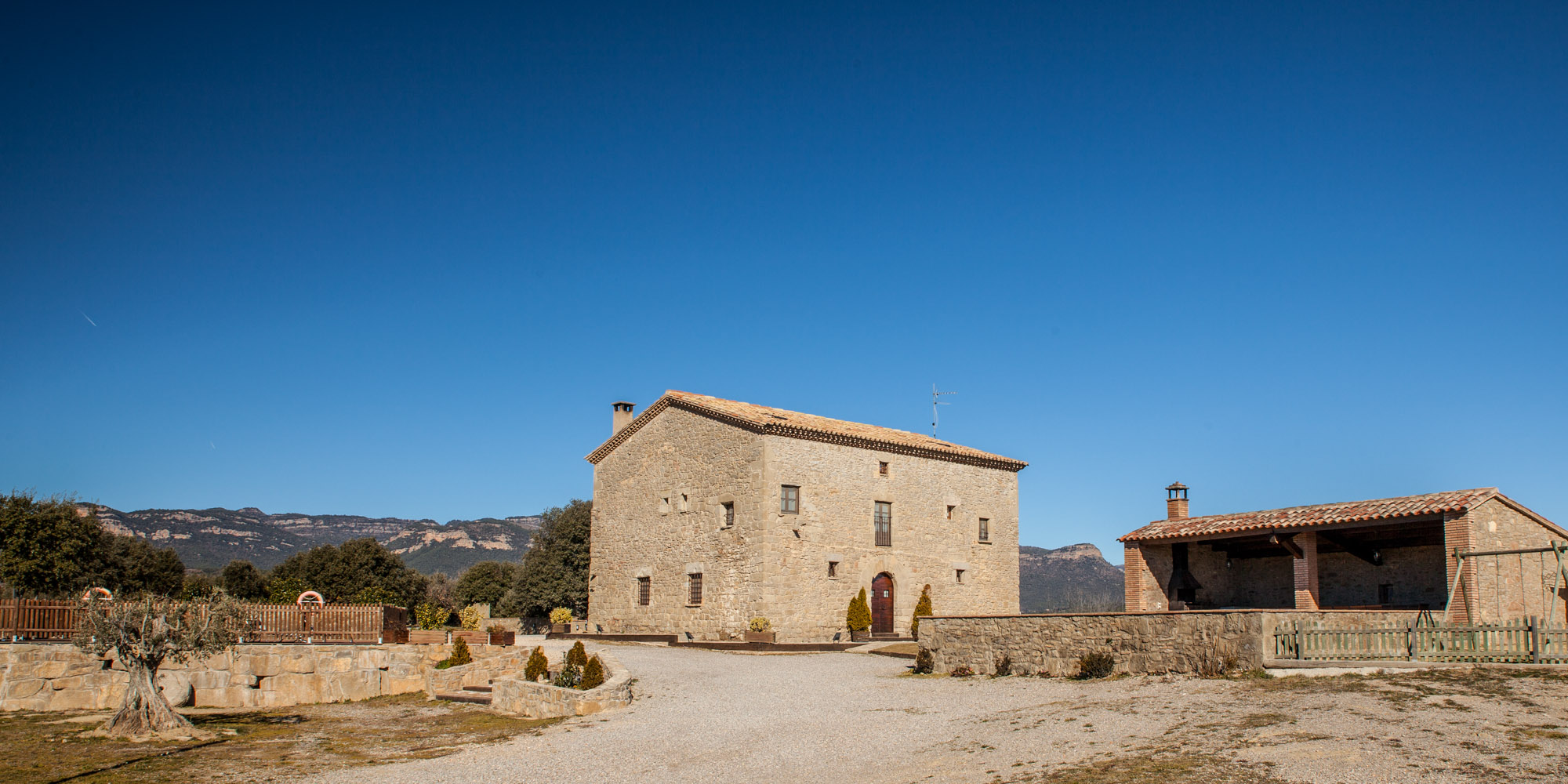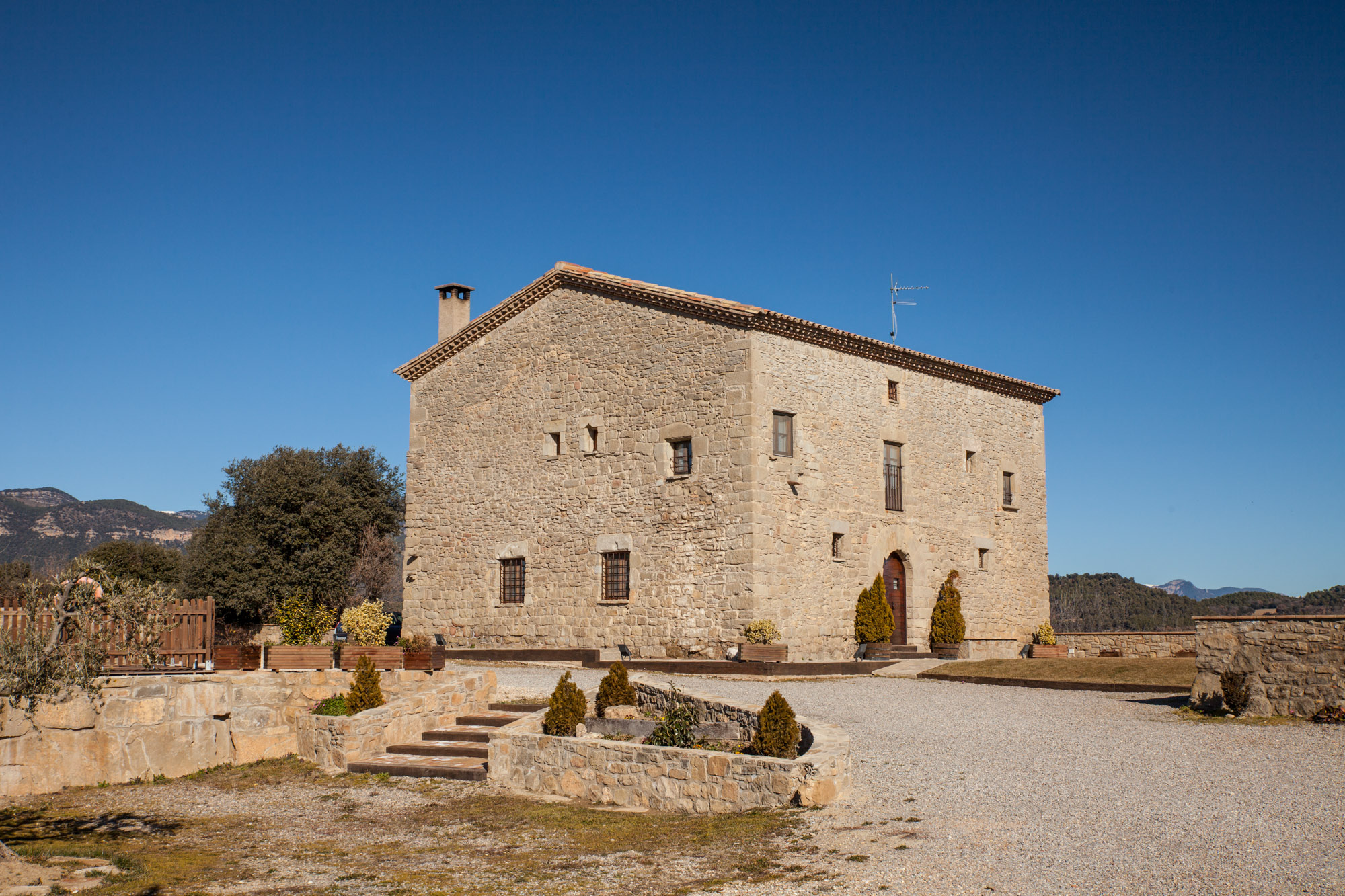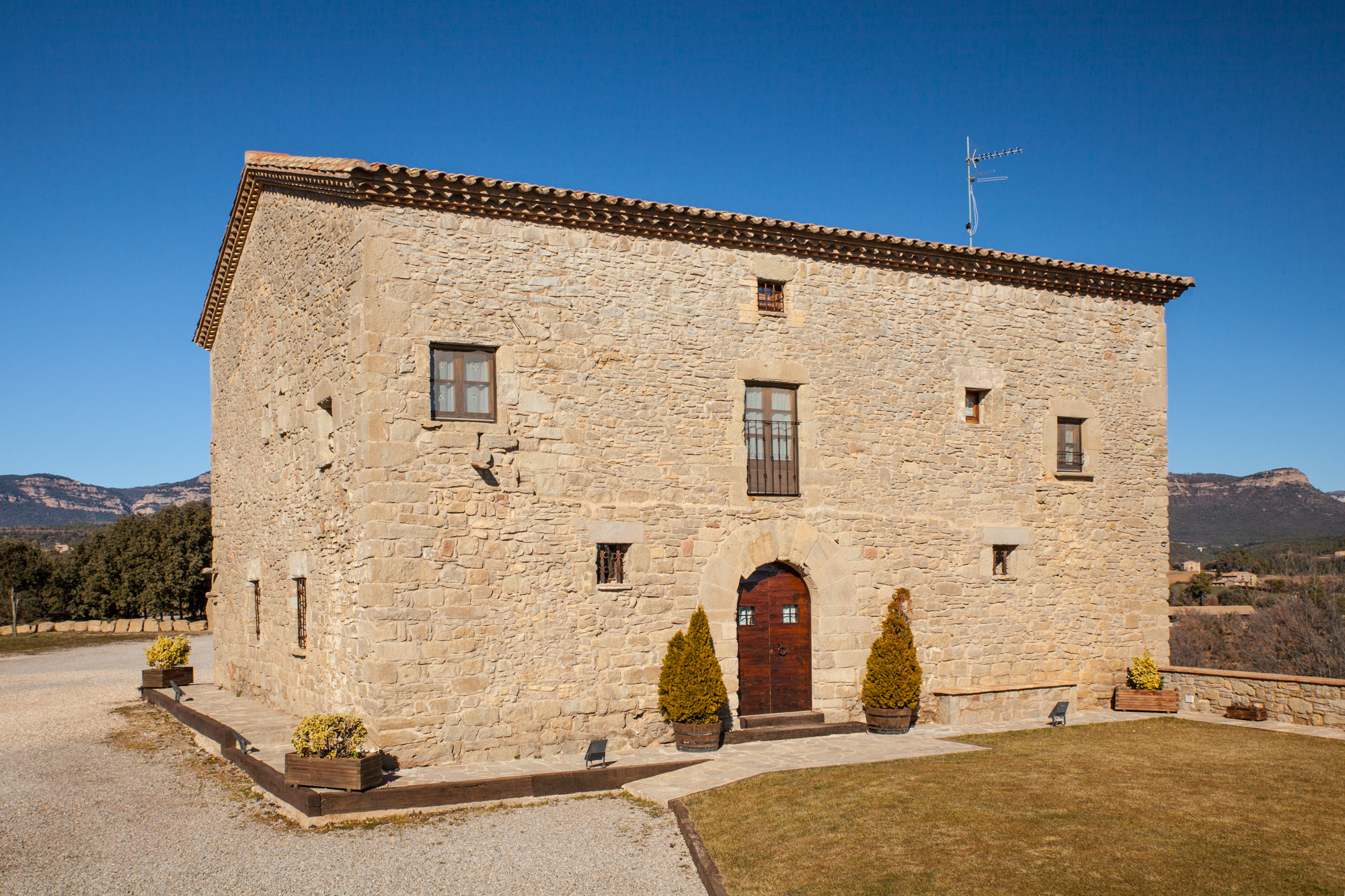
The Pre-Pyrenees (Pre-Pirineus in Catalan) represent one of Catalonia's most distinctive geographical features—a transitional mountain zone that bridges the Mediterranean coastal plains with the towering peaks of the Pyrenees proper. Rather than a single administrative comarca, the Pre-Pyrenees form a geological and cultural region spanning several counties, including much of Berguedà where La Tor de Montclar is located. Understanding this landscape helps visitors appreciate why the scenery around our rural house is so dramatically beautiful, combining rugged mountain terrain with accessible elevations and Mediterranean influences.
What Defines the Pre-Pyrenees
The Pre-Pyrenees stretch across northern Catalonia as a series of parallel mountain ranges running roughly east-west, positioned between the coastal depression and the axial Pyrenees along the French border. These mountains typically range from 1,000 to 2,500 meters in elevation—high enough to create spectacular scenery and distinct ecosystems, but generally more accessible than the 3,000-meter peaks farther north.
Geologically, the Pre-Pyrenees formed through complex folding and thrusting during the Alpine orogeny, creating distinctive limestone formations, dramatic cliffs, and the erosional landscapes that characterize regions like Berguedà. The result is a landscape of extraordinary diversity: narrow valleys, sudden escarpments, hidden plateaus, and the iconic serrated mountain profiles that define the visual character of inland Catalonia.
From La Tor de Montclar, you're positioned in the heart of this Pre-Pyrenean landscape. The house itself sits at approximately 800 meters elevation, surrounded by peaks that define the comarca: Pedraforca (2,506m) to the north, Serra d'Ensija to the west, and the Cadí range forming the northern boundary of Berguedà.
Climate and Ecosystems
The Pre-Pyrenees create their own weather patterns, acting as the first significant barrier to moisture-laden winds from the Mediterranean. This position generates higher rainfall than the coastal areas, feeding the rivers and creating the lush forests that contrast with the dramatic rock formations.
The elevation gradient supports diverse ecosystems within short distances. Lower slopes feature Mediterranean holm oak and Aleppo pine, transitioning to deciduous forests of oak and beech at middle elevations, with alpine meadows and bare rock on the highest peaks. This vertical stratification means you can experience multiple climate zones in a single day's hike from La Tor de Montclar.
Wildlife thrives in this transitional zone. Wild boar, roe deer, and red fox are common, while the skies host golden eagles, griffon vultures, and the occasional bearded vulture. The Pre-Pyrenees serve as a corridor between the high mountains and lower country, making them exceptionally rich in biodiversity.
Key Pre-Pyrenean Ranges and Peaks
Several major mountain ranges compose the Pre-Pyrenees. The Serra del Cadí, stretching for 30 kilometers along the northern edge of Berguedà, forms an imposing wall of limestone cliffs and represents one of the most spectacular Pre-Pyrenean ranges. The Cadí-Moixeró Natural Park protects this dramatic landscape, which you can see from La Tor de Montclar on clear days.
The Pedraforca (2,506m), visible from many points around our property, stands as the most iconic Pre-Pyrenean peak. Its distinctive forked summit has become a symbol of Catalan mountaineering and appears on countless postcards. The mountain marks the transition between the Pre-Pyrenees and the higher Pyrenees, straddling both zones.
To the west, the Serra d'Ensija and Rasos de Peguera offer gentler but equally beautiful landscapes of high plateaus and rounded summits. These areas provide excellent hiking with panoramic views across multiple comarcas. The Port del Comte area, accessible within 40 minutes from La Tor, exemplifies Pre-Pyrenean landscape with its ski station, cross-country trails, and summer hiking routes.
Cultural and Historical Significance
The Pre-Pyrenees have shaped human settlement patterns for millennia. The combination of defensible terrain, adequate rainfall, and accessible valleys made this zone attractive to successive cultures. Romanesque churches and monasteries dot the landscape—Sant Jaume de Frontanyà, Santa Maria de Lluçà, Sant Quirze de Pedret—each positioned to take advantage of Pre-Pyrenean topography for strategic or spiritual purposes.
Traditional economic activities evolved around the mountain environment. Forestry, livestock grazing on summer pastures, small-scale agriculture in valley bottoms, and later coal mining (particularly in Berguedà) defined local economies. Many villages preserve architecture adapted to the Pre-Pyrenean climate: stone construction, small windows, and compact urban forms that withstand cold winters and maximize solar gain.
The mountain passes connecting valleys served as crucial communication routes. The Coll de la Creueta, Coll de Jou, and other passes you can access from La Tor de Montclar have carried travelers, traders, and armies for centuries. Some routes date to Roman times or earlier, and walking these historic paths connects you directly to Catalonia's mountain heritage.
Recreation and Tourism
Today, the Pre-Pyrenees represent one of Catalonia's premier outdoor recreation areas. The terrain offers exceptional hiking, with routes ranging from gentle valley walks to technical scrambles on peaks like Pedraforca. Mountain biking has exploded in popularity, with the varied terrain supporting everything from cross-country riding to technical downhill.
Winter transforms the Pre-Pyrenees into a snow sports destination. While not offering the extensive facilities of the high Pyrenees, stations like Port del Comte, La Molina, and Rasos de Peguera provide accessible skiing and snowboarding, often with shorter lift lines and lower prices than their northern counterparts. Cross-country skiing and snowshoeing take advantage of the extensive high plateaus.
Rock climbing draws enthusiasts to the limestone cliffs, particularly around Pedraforca, the Cadí walls, and numerous sport climbing areas throughout the region. Canyoning in the gorges carved by Pre-Pyrenean rivers offers another adventure option during warmer months.
Staying at La Tor de Montclar positions you perfectly for exploring these activities. We can provide detailed recommendations based on your experience level and interests, from family-friendly walks to challenging mountain routes.
Why the Pre-Pyrenees Matter for Your Stay
Understanding that you're staying in the Pre-Pyrenees rather than the high Pyrenees helps set appropriate expectations and reveals advantages. The elevation here means cooler summer temperatures than the coast (ideal for escaping Barcelona's heat) without the extreme conditions of the high mountains. Accessibility is excellent—you can reach impressive landscapes within 20-30 minutes from La Tor rather than requiring multi-hour drives.
The Pre-Pyrenean position also means year-round accessibility. While high Pyrenean passes close in winter, roads around Berguedà generally remain open, and many hiking routes stay accessible except after heavy snowfall. Spring and autumn bring spectacular displays of wildflowers and foliage that the high mountains, with their shorter growing seasons, cannot match.
The transitional nature of the landscape provides variety often lacking in more homogeneous regions. Morning might bring a walk through Mediterranean oak forest, afternoon a climb to alpine meadows, evening a return through beech woods turning golden in autumn light—all without leaving the general vicinity of our house.
For visitors from outside Spain, the Pre-Pyrenees offer an authentic mountain experience without the crowds that inundate famous high Pyrenean destinations. You'll encounter local hikers and families from nearby towns rather than international tour groups, making for a more genuine cultural experience alongside the natural beauty.
Practical information
You are already in the Pre-Pyrenees when staying at La Tor de Montclar. Key Pre-Pyrenean features within 20-60 minutes by car
Year-round; spring (April-June) and autumn (September-November) ideal for hiking; winter for snow sports; summer for escaping coastal heat
La Tor de Montclar is located in the heart of the Pre-Pyrenees
Discover Berguedà from La Tor de Montclar
15th-century farmhouse with indoor pool, ideal for groups of up to 20 guests
Check availability