The Berguedà comarca divides naturally into two distinct areas: the Upper Berguedà (Alt Berguedà), with its dramatic Pyrenean mountain character, and the Lower Berguedà (Baix Berguedà), closer to the central plains with a more industrial heritage. La Tor de Montclar sits in the Upper Berguedà, right at the foot of the Pre-Pyrenees, but exploring both zones reveals the full richness of this singular territory. Understanding this division helps visitors appreciate how one comarca can contain such contrasting landscapes and experiences—from 2,500-metre peaks to riverside textile colonies within 30 kilometers.
Upper Berguedà: Pyrenean Mountains and Medieval Villages
The Upper Berguedà (Alt Berguedà) extends from Berga northward to the imposing Cadí and Moixeró mountain ranges, creating a territory of dramatic mountains, deep valleys, and remote villages preserving extraordinary heritage. This is high Pre-Pyrenean and Pyrenean landscape, with elevations from 700 to 2,500+ metres.
The iconic feature dominating the Upper Berguedà is Pedraforca (2,497 metres / 8,192 feet), Catalonia's most recognizable mountain. Its name means "stone pitchfork," describing the distinctive bifurcated summit—two rocky prongs rising from a narrow saddle. Pedraforca's dramatic silhouette is visible across the Berguedà and has become an emblem of Catalan mountain identity, comparable to how the Matterhorn symbolizes the Swiss Alps or Mount Fuji represents Japan.
Climbing Pedraforca is a serious but achievable mountain trek (no technical climbing required on the normal route, but demanding stamina and some scrambling). The most popular route ascends from Saldes via the Enforcadura (the saddle between the two summits), taking 4-5 hours up and 3 hours down. Summit views encompass the entire Pyrenean chain from Cerdanya to the Mediterranean.
Key villages and sites in the Upper Berguedà:
- Gósol (1,425m elevation): Remote mountain village where Pablo Picasso spent summer 1906, painting over 30 works during his "Gósol period"—a creative explosion that immediately preceded his development of Cubism. The village preserves the Cal Tampanada inn where Picasso stayed, now a museum. Gósol's architecture—stone houses with slate roofs, narrow lanes, mountain setting—remains largely as Picasso saw it.
- Bagà: Medieval town with the impressive Plaça Galceran de Pinós, named for the 14th-century nobleman who commissioned the square's distinctive porticoed gateway. The arcaded square, preserved medieval walls, and mountain backdrop make Bagà one of the Upper Berguedà's most attractive towns. It serves as base camp for Pedraforca climbs and Cadí-Moixeró Natural Park exploration.
- Saldes and Gisclareny: Twin villages providing access to Pedraforca and the Cadí range. Both preserve Romanesque churches and traditional mountain architecture.
- La Molina and Masella ski area: While technically in La Cerdanya, these resorts are accessed from the Upper Berguedà via the Tosa d'Alp road, making them integral to Upper Berguedà winter sports culture.
Lower Berguedà: River Valleys and Industrial Heritage
The Lower Berguedà (Baix Berguedà), south of Berga, opens toward the Llobregat plain with a more gentle, agricultural and industrial character. Elevations decrease to 500-800 metres as the Llobregat River cuts through progressively lower terrain toward El Bages.
The defining feature of the Lower Berguedà is the textile colonies (colònies industrials)—planned industrial villages built along the Llobregat River in the 19th-early 20th centuries. These represent unique industrial heritage, testimony to Catalonia's industrial revolution:
During the 1840s-1920s, Catalan textile entrepreneurs built water-powered textile mills on the Llobregat, attracted by reliable water flow and hydroelectric potential. Around each factory, they constructed complete planned communities: workers' housing, church, school, shop, social club—self-contained villages where workers lived, worked, and spent their entire lives. The architecture ranges from utilitarian brick housing to modernist-influenced managers' residences and factory buildings.
Key colonies in the Lower Berguedà include:
- Cal Rosal: One of the best-preserved colonies, now a museum explaining colony life and textile production
- Colònia Vidal: Notable for its modernist church and well-preserved factory buildings
- L'Ametlla de Merola: Combines medieval village (l'Ametlla) with adjacent industrial colony
- Cal Pons: Features impressive hydraulic engineering—canals and aqueducts directing water to turbines
These colonies evoke comparison to New England mill towns, Welsh valley industrial villages, or northern Italian textile settlements—purpose-built industrial communities where the entire social structure revolved around the factory. Most Berguedà colonies ceased operation in the 1960s-1980s as Catalan textile industry declined, leaving fascinating industrial archaeology.
Lower Berguedà towns include:
- Puig-reig: Riverside town combining old quarter with 19th-century expansion, positioned where the Llobregat widens
- Gironella: Historic town with medieval bridge and relaxed pace, popular with kayakers using the Llobregat
- Casserres: Village with Romanesque church and access to the Lluçanès plateau
The Cercs Mining Museum allows visitors to descend into a real coal mine (Colònia Sant Corneli), experiencing underground conditions where Berguedà miners worked extracting lignite coal that powered Barcelona's industrialization. The museum, housed in the former coal washery, explains mining techniques, working conditions, and the coal industry's social impact.
Berga: The Link Between Two Worlds
Berga (population 16,000), the comarca capital, occupies the strategic position linking Upper and Lower Berguedà—where the mountains meet the plains, where Pyrenean and Mediterranean influences converge.
The city rises on a hill crowned by its medieval castle (mostly ruins, but the keep and walls remain impressive). The old quarter preserves the Plaça de Sant Pere (with the Romanesque parish church) and the Plaça de Sant Joan, connected by atmospheric medieval lanes.
Berga is famous throughout Catalonia—indeed, recognized worldwide—for La Patum, an extraordinary festival held during Corpus Christi (late May-early June). La Patum dates to at least the 14th century, mixing religious procession, pagan ritual, and community catharsis into four days of intense celebration. Giant figures, dragons breathing fire, devils (dressed in grass costumes), and drummers fill the streets while crowds dance the "plens" (literally "fulls")—moments when the Plaça de Sant Pere becomes a mass of humanity jumping in unison.
UNESCO declared La Patum Intangible Cultural Heritage of Humanity (2005), recognizing its unique preservation of medieval festival traditions and living community participation. If you can time a visit to coincide with La Patum, it's an unforgettable cultural experience—visceral, intense, participatory, unlike any other European festival.
Berga's Saturday weekly market fills the modern town with stalls selling local produce, and Patum chocolate—hot chocolate with cinnamon—is a beloved local specialty served in traditional xocolateries.
Exploring the Complete Berguedà from La Tor
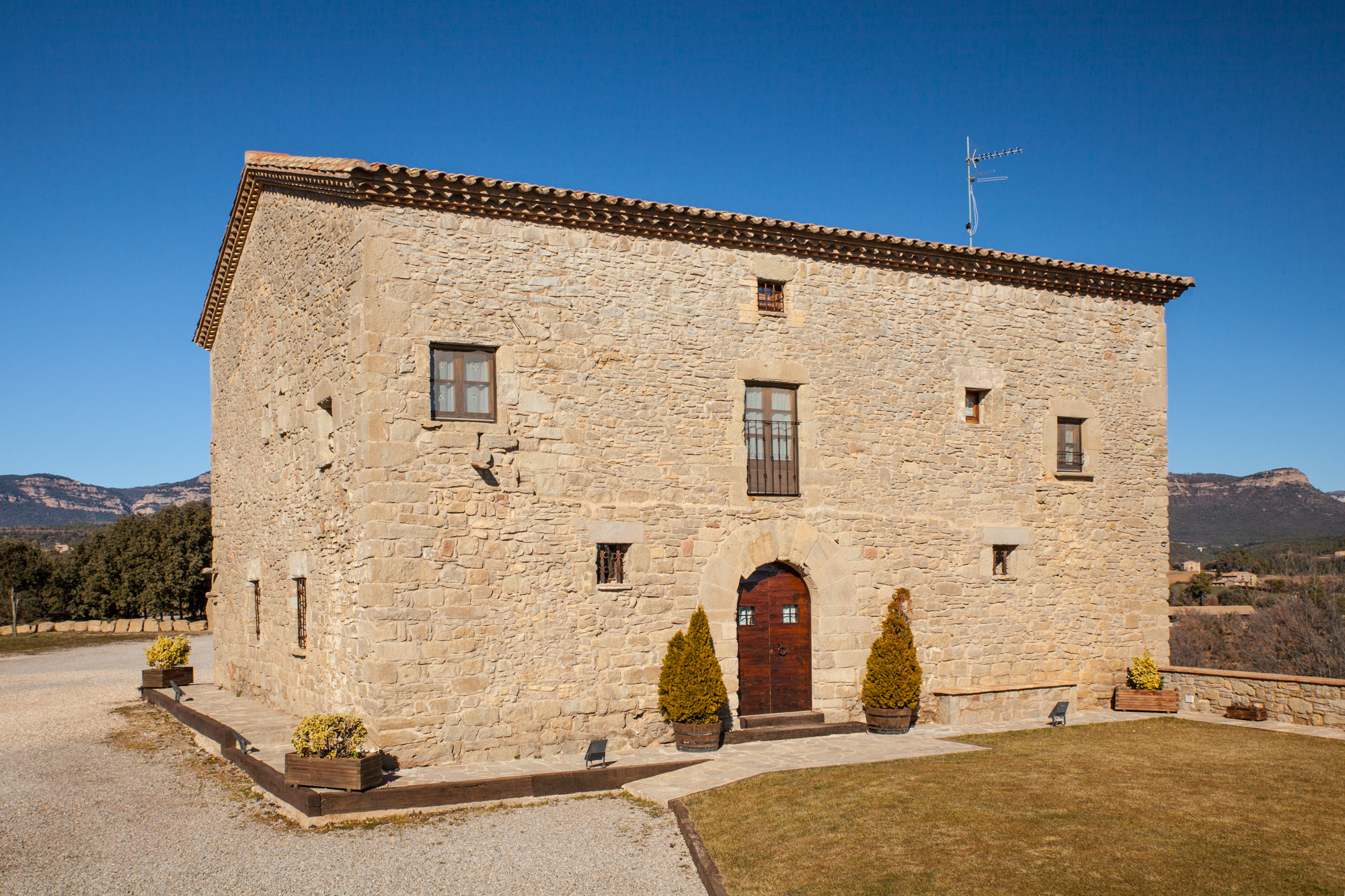
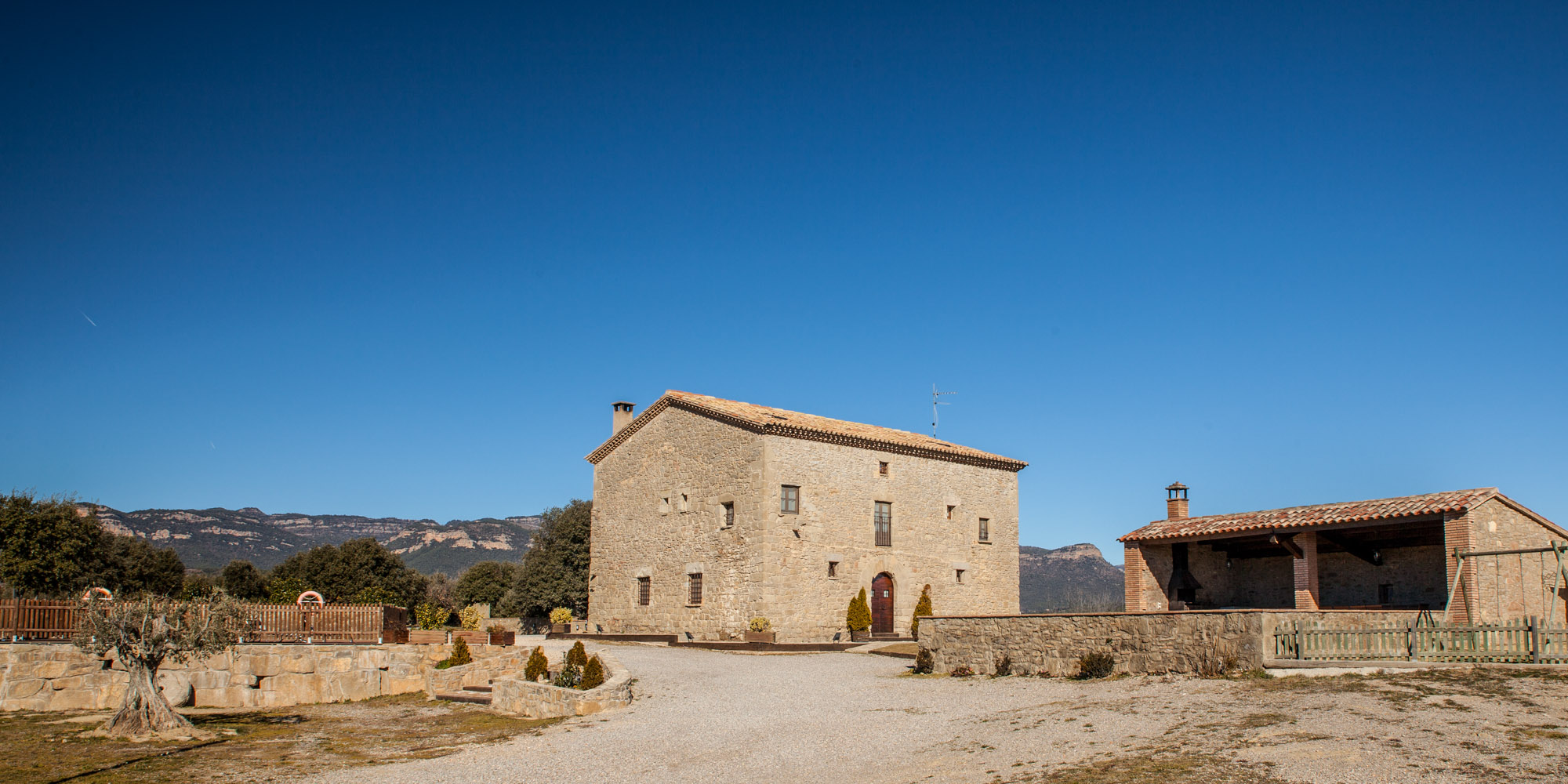
La Tor de Montclar, positioned in the Upper Berguedà near Montclar village, provides an ideal base for exploring the entire comarca. To the north: the Pyrenees and Cadí-Moixeró Natural Park. To the south: the colonies, mining heritage, and river landscapes. Berga, just 15 minutes away, serves as the central hub for supplies, services, and cultural activities.
Comprehensive Berguedà itinerary suggestions:
Mountain and heritage day:
- Morning: Hike at Pedraforca (depart early, drive to Saldes 35min, hike 6-8 hours round trip for summit, or shorter routes to mirador viewpoints)
- Afternoon: Descend, visit Gósol and Picasso museum (30min from Saldes)
- Return to La Tor via Bagà, stopping to see the medieval square
Industrial heritage and valleys:
- Morning: Cercs Mining Museum, descend into mine (allow 2-3 hours)
- Lunch: Gironella or Puig-reig
- Afternoon: Tour textile colonies along Llobregat (Cal Rosal, L'Ametlla, Cal Pons)
- Return to La Tor via scenic riverside roads
If visiting during La Patum:
- Experience the festival in Berga (requires advance hotel booking; the town fills completely)
- Witness the "plens" in Plaça de Sant Pere, the climactic moments of mass participation
- Note: La Patum is intense, crowded, and involves fire—thrilling but not for everyone
Gastronomy itinerary: The Berguedà offers excellent mountain cuisine—wild mushrooms (autumn), game dishes, cargols a la llauna (snails cooked on metal sheet), local cheeses, and cured meats. Traditional restaurants in Bagà, Berga, and villages serve authentic mountain cooking.
Understanding the Berguedà Duality
The Upper/Lower Berguedà division reflects geography, economy, and culture:
Upper Berguedà remained primarily agricultural and pastoral until tourism and second residences developed (1960s onward). Villages preserved traditional architecture and mountain culture. The economy relied on shepherding, small-scale farming, forest resources, and limited mining. Cultural ties connected more to the Pyrenees and Cerdanya than to industrial Catalonia.
Lower Berguedà industrialized heavily, connecting to Barcelona's economic orbit through textile production and coal mining. This created stronger working-class culture, union activity, and social movements. Architecture reflects industrial-era construction—factories, workers' housing, modernist touches in bourgeois buildings.
Together, these two zones create the complete Berguedà identity: mountains and valleys, tradition and modernity, Pyrenean and Mediterranean, rural and industrial. Visitors staying at La Tor de Montclar can experience both within a single comarca, understanding how Catalan mountain regions evolved differently based on geography and economic opportunity.
This duality is similar to how other European mountain regions combine high peaks with industrial valleys—the French Alps (high mountains vs. Grenoble's industries), northern England (Lake District mountains vs. Lancashire mill towns), or northern Italy (Alpine valleys vs. Piedmont's industries). The Berguedà offers both experiences in compact form.
Practical information
15 minutes to Berga, the comarca center
Discover Berguedà from La Tor de Montclar
15th-century farmhouse with indoor pool, ideal for groups of up to 20 guests
Check availability