The Museu de les Mines de Cercs (Cercs Mining Museum) offers one of Catalonia's most immersive industrial heritage experiences. Visitors descend into genuine mining galleries via a miners' train, exploring the underground world where men extracted coal from the 19th century through the 1990s. The adjacent Sant Corneli mining colony preserves intact the company town where workers and their families lived.
The Underground Mine Experience
The museum's centerpiece is the guided tour through 450 meters of underground galleries in the Sant Romà mine, which operated from 1925 to 1991. The experience begins with a safety briefing and distribution of hard hats (required), then you board a narrow-gauge train—the same type miners rode daily into the mountain. As the train descends into the cool darkness (the galleries maintain a constant 15°C year-round), you quickly appreciate the psychological weight of having hundreds of meters of rock above you.
Inside the mine, your guide (often a former miner or family member of miners) leads you through chambers where different extraction techniques are demonstrated. You'll see the evolution from manual picks and dynamite to pneumatic drills and mechanical coal cutters. Sound and light effects recreate the work environment—the deafening percussion of drills, the darkness broken only by headlamps, and the ever-present dust that caused respiratory diseases among miners.
Particularly moving are the mannequins depicting miners at work, positioned in the cramped conditions where men spent 8-10 hour shifts. Some coal seams were less than one meter high, forcing miners to work lying on their sides or kneeling. The tour doesn't romanticize mining—it honestly portrays the danger, discomfort, and health consequences of this work while recognizing the dignity and skill of the miners.
The tour concludes with exhibits on mining safety (or the frequent lack thereof in early decades), the geology of coal formation, and the social context of Catalan mining. You'll learn that Berguedà coal, while important locally, was of relatively poor quality compared to northern European coal, which contributed to the industry's decline as transportation costs fell and quality mattered more.
The Sant Corneli Mining Colony
Adjacent to the museum, the Colònia de Sant Corneli represents an extraordinarily well-preserved example of a Catalan industrial colony—the company towns that developed around mines and factories in the 19th and early 20th centuries. The mine owner (initially the Asland cement company, later others) controlled virtually every aspect of workers' lives by providing housing, schools, shops, medical care, and religious services.
Visitors can tour the workers' housing, modest apartments with shared outdoor spaces where children played while mothers managed households around men's shift schedules. The cooperative store (the "economat") where families bought goods on credit against wages demonstrates the economic control companies exercised. The school educated children to literacy levels needed for industrial work while inculcating company loyalty and political docility. The recreation center (casino) and bar provided approved leisure activities.
This paternalistic system created tight-knit communities—many colony residents speak nostalgically of neighborhood solidarity and mutual support—but also generated resentment over company control and limited alternatives. The colonies became centers of labor organizing and leftist politics, leading to conflicts that intensified during the Spanish Civil War and Franco dictatorship. Information panels handle these complex social dynamics with nuance, acknowledging both the security colonies provided and the autonomy they restricted.
The colony's natural setting above the Baells Reservoir is surprisingly beautiful—company planners understood that more attractive living conditions reduced worker turnover. Tree-lined streets, garden plots for families, and the chapel with mountain views all created a landscape that blended industrial function with rural aesthetics.
Visiting Practicalities and Planning
The museum opens Tuesday through Sunday year-round, with specific hours varying by season (generally 10:00 AM-2:00 PM and 3:00-6:00 PM). The underground tour requires advance booking, especially on weekends and during school holidays when groups visit. Book online through the museum website or by phone—English-speaking staff can usually accommodate international visitors, though most tours are conducted in Catalan or Spanish. Private English tours may be available for groups with advance notice.
The complete visit (surface exhibits, underground tour, and colony tour) lasts approximately 2.5 to 3 hours. Admission costs €8 for adults, €5 for children (ages 6-12), and €6 for seniors and students. Children under 6 are free but may find the underground tour frightening—use parental judgment. The museum is genuinely educational and engaging for older children and teenagers, particularly those interested in history, engineering, or social issues.
From La Tor de Montclar, drive 25 kilometers via the C-26 south and then the C-16 north, taking approximately 25 minutes. Follow signs for "Museu de les Mines" or "Cercs" as you approach the Baells Reservoir. Parking is free and ample.
Important practical notes: Bring a light jacket or sweater as the mine is cool even in summer. Wear closed-toe shoes with good traction—the mine floor can be damp and uneven. Photography is permitted in most areas, though flash may be restricted in some galleries. The museum has a small café serving coffee and snacks, but no full restaurant—consider having lunch in nearby Berga before or after your visit.
Historical Context for International Visitors
Coal mining shaped the Berguedà's economy and society from the mid-19th century through the late 20th century, though the industry never reached the scale of mining regions in Britain, Belgium, or Germany. Production peaked in the 1950s-1960s before declining due to competition from cheaper imported coal and petroleum, cleaner hydroelectric power from Pyrenean dams, and the poor quality of local coal. The last Berguedà mine closed in 1997, ending an era and leaving communities to reinvent their economies around tourism, light industry, and services.
The museum opened in 1999 as part of a broader effort to preserve mining heritage and provide economic alternatives for former mining communities. Similar industrial heritage sites exist throughout Europe—compare this to the Big Pit National Coal Museum in Wales, the Mining Museum in Bochum, Germany, or the Lewarde Mining Museum in France. Each tells local stories while addressing universal themes of industrialization, labor, and economic transformation.
For visitors from regions without mining history, the Cercs Museum offers insight into how extractive industries shaped modern society—not just economically, but socially and politically. The working-class consciousness forged in mines and colonies influenced European labor movements, socialist and anarchist politics, and ultimately the welfare states that developed after World War II. The museum makes these connections tangible through personal stories and preserved environments.
Practical information
€8 adults / €5 children / €6 seniors and students
2.5-3 hours for complete visit
Year-round; mine temperature constant at 15°C
25 km (approximately 25 minutes by car)
Discover Berguedà from La Tor de Montclar
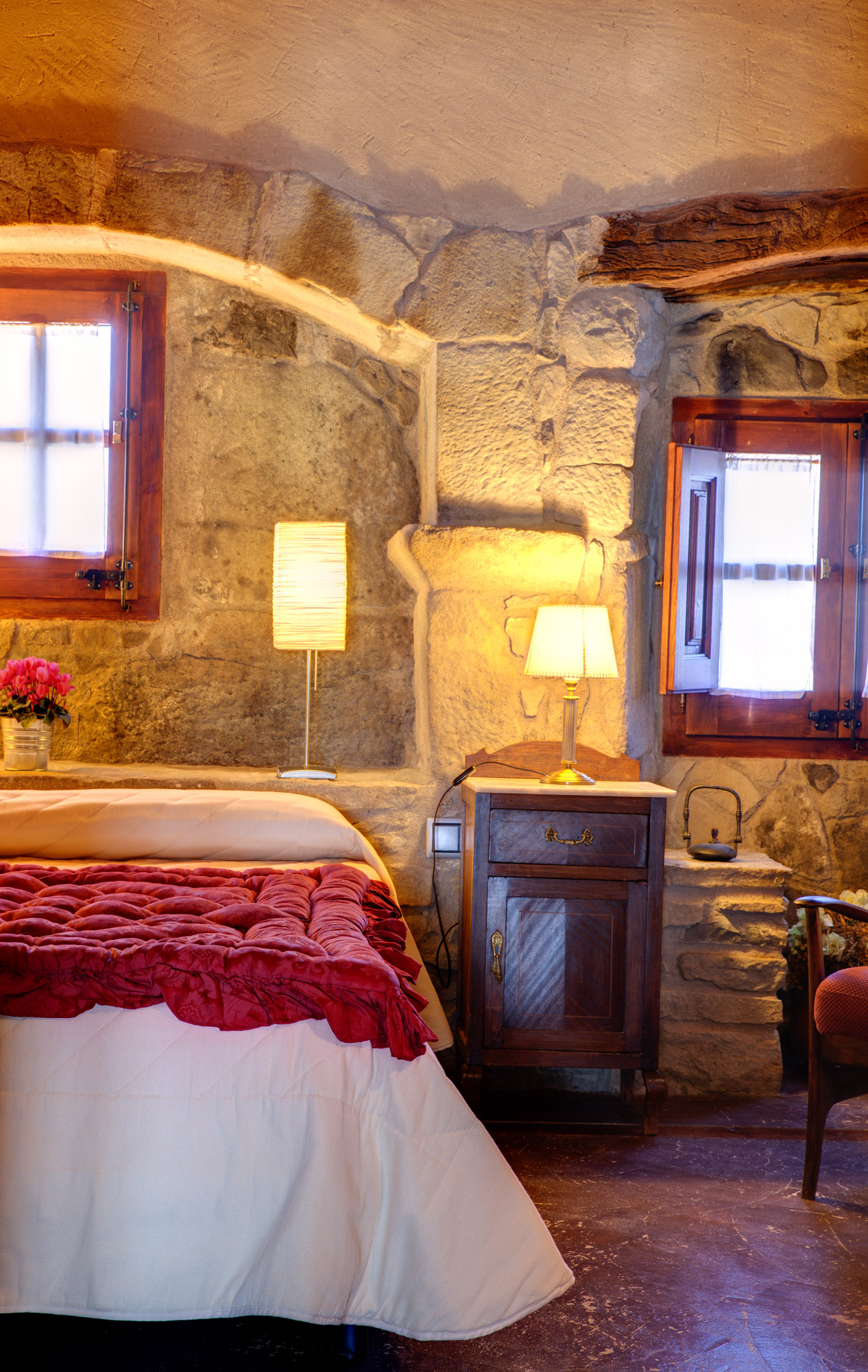
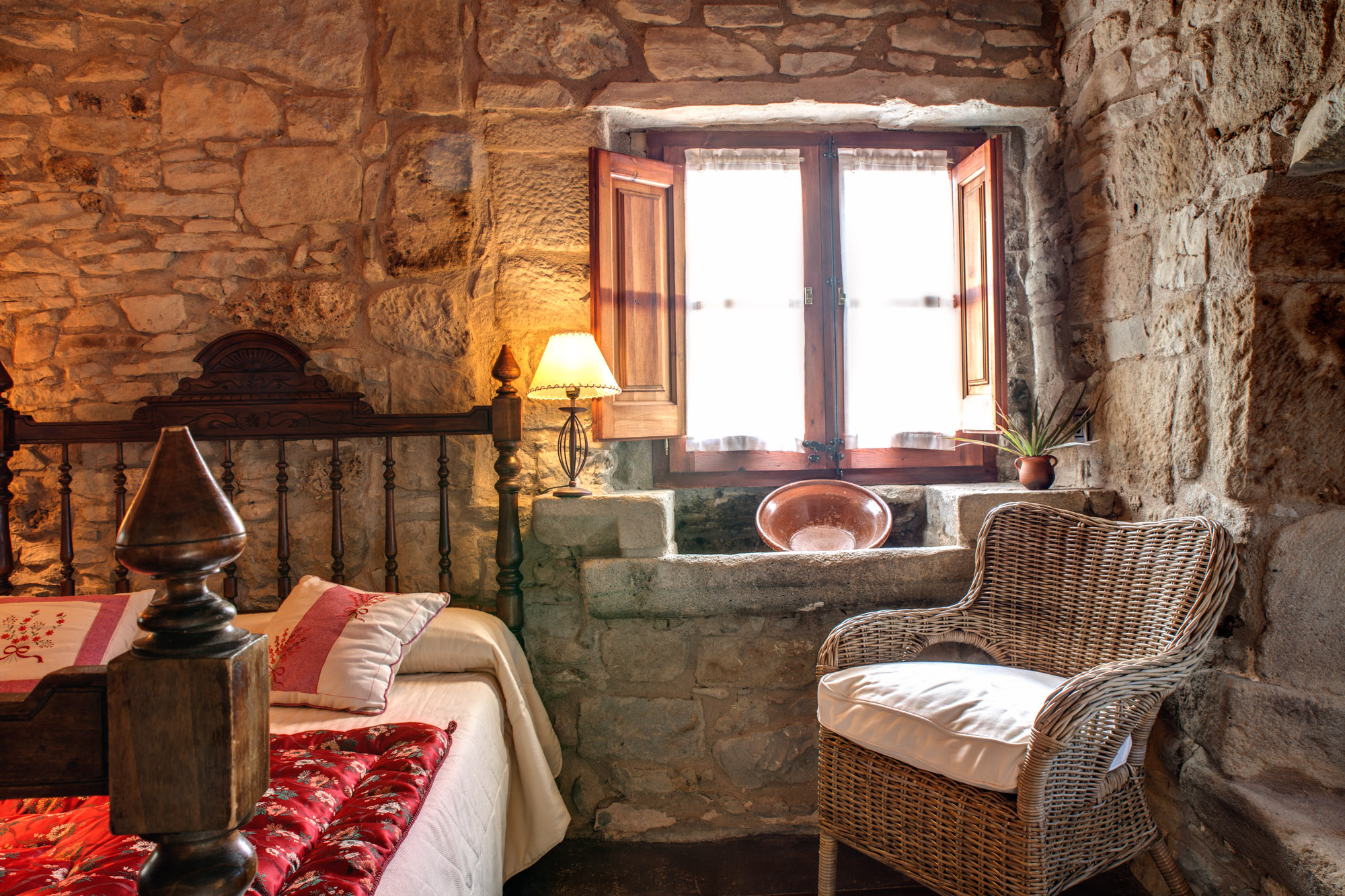
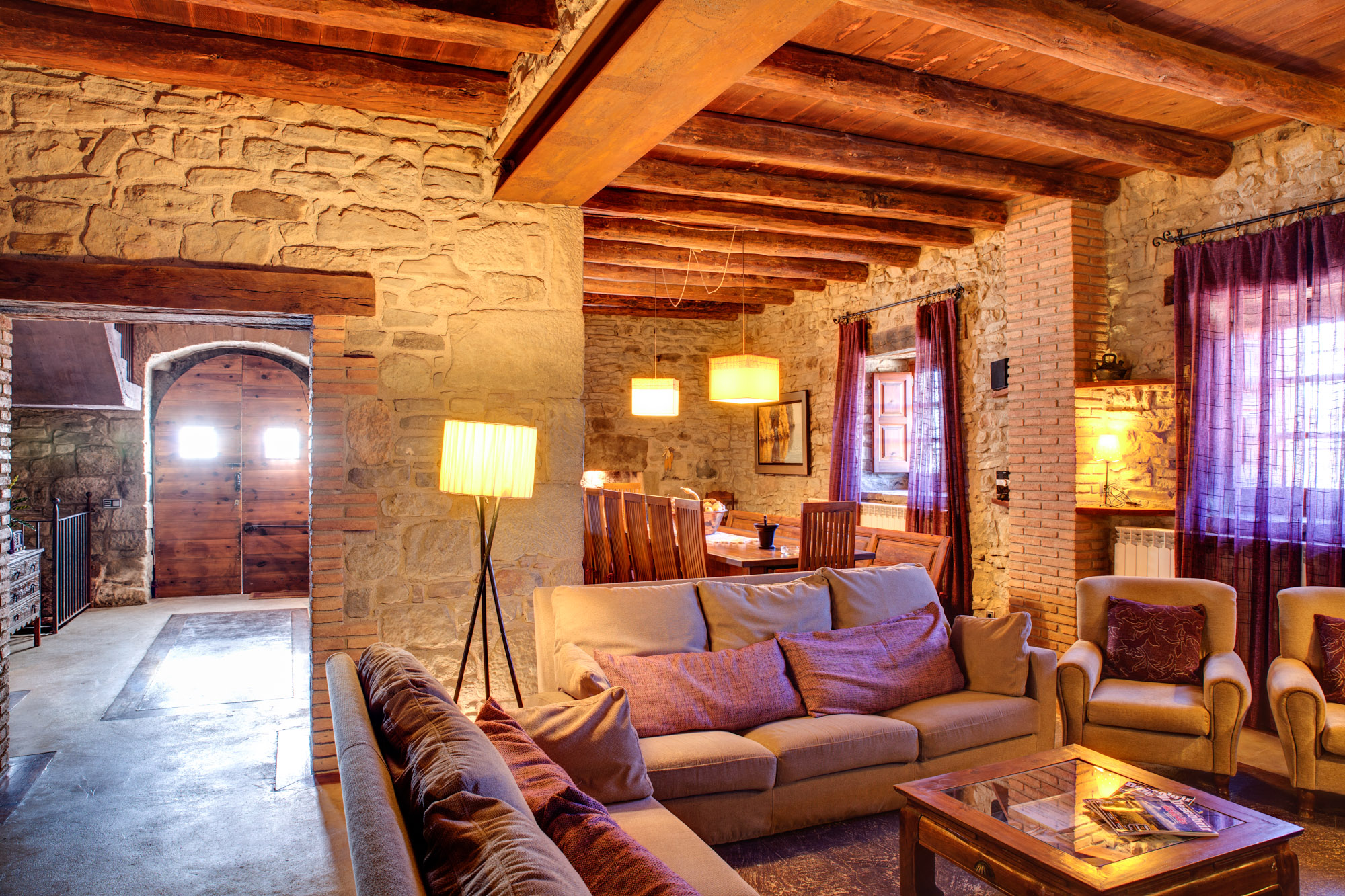
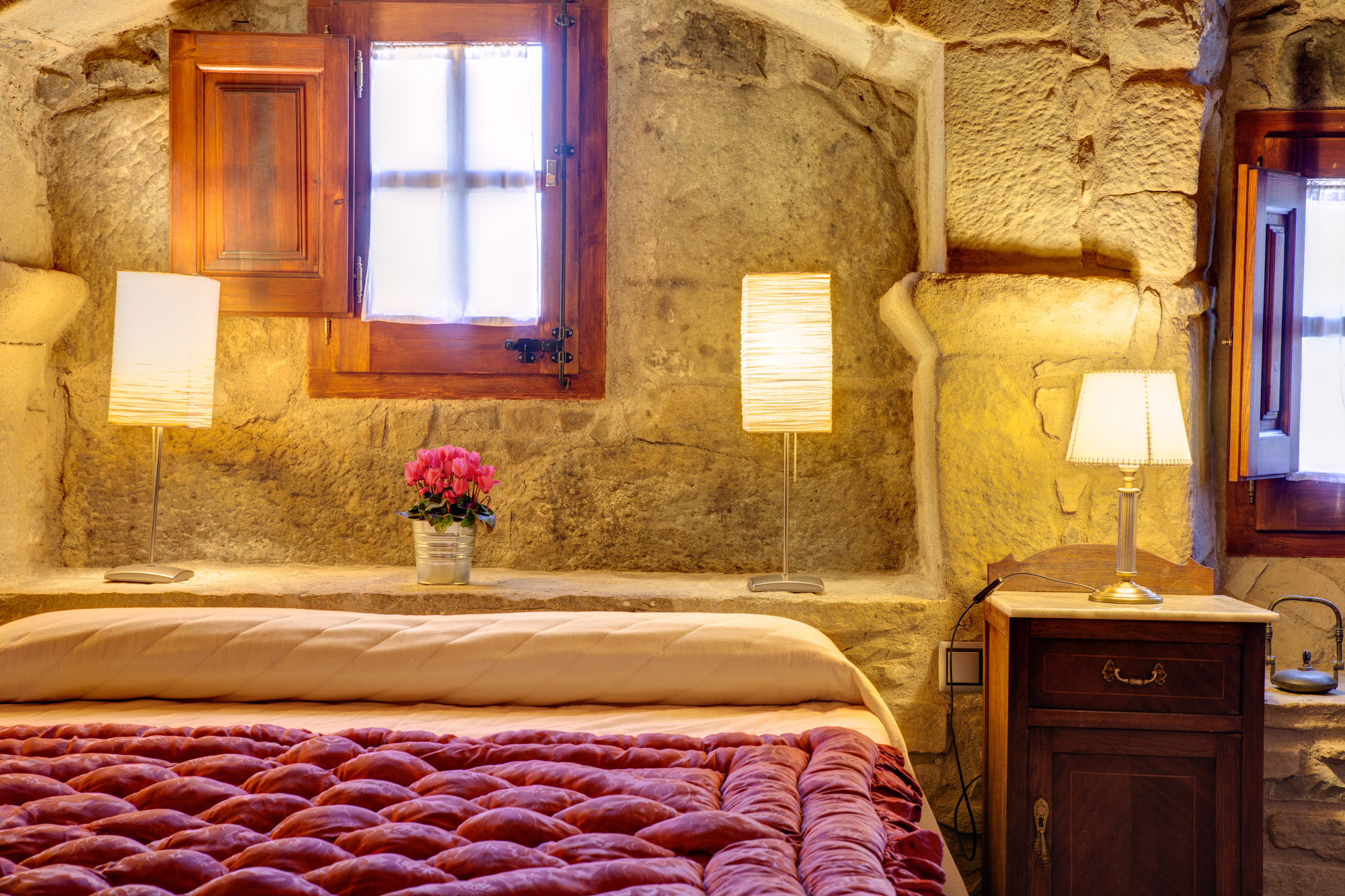
15th-century farmhouse with indoor pool, ideal for groups of up to 20 guests
Check availability