The truffle, known as the black diamond of gastronomy, finds ideal growing conditions in Berguedà and the Catalan Pyrenees. The winter black truffle (Tuber melanosporum) develops underground in oak and holm-oak forests, and its harvesting is an art that requires patience, knowledge and a perfectly trained truffle dog. This rare delicacy transforms the simplest dishes into extraordinary gastronomic experiences.
Black truffle in the Catalan Pyrenees
The winter black truffle (Tuber melanosporum), also called Périgord truffle, is the most prized species and the one found in Berguedà and neighbouring regions. It grows in symbiosis with the roots of oaks (Quercus species), holm oaks and hazel trees, in calcareous soils with excellent drainage and specific pH levels.
The truffle season runs from November to March, with peak quality and aroma between mid-December and mid-February when winter cold intensifies the truffle's scent. Each truffle develops over many months underground, invisible until a trained dog detects its powerful aroma.
Berguedà, with its mixed oak and holm-oak forests at altitudes between 500 and 1,000 metres, has excellent conditions for truffle. The limestone substrate of the Cadí range, combined with cold winters and sufficient rainfall, creates perfect terroir. Production is less abundant than in southern Catalonia (Alt Urgell, Pallars, Conca de Barberà) but quality is exceptional thanks to the harsh Pyrenean winter.
Climate change is affecting truffle production throughout Europe. Warmer, drier conditions are shifting truffle zones northward and upward in altitude, making Berguedà increasingly important for Catalan truffle culture.
The art of truffle hunting
Truffle hunting (truficultura) is a practice requiring years of learning and a special bond between hunter and dog. Unlike pigs, which were historically used but would eat the truffles they found, truffle dogs are trained to indicate without digging or damaging.
Common truffle dog breeds include dachshunds, pointers, labradors and mixed breeds. What matters isn't the breed but the training and the dog's natural ability to detect the complex volatile compounds a ripe truffle emits through soil.
The hunter (truiter) and dog work as a team. They walk slowly through known truffle zones, the dog sniffing systematically. When the dog catches the scent, it becomes excited, scratches gently at the spot, and looks to its handler for reward. The hunter then uses a special tool — a small pick or spade — to carefully excavate, removing soil by hand to avoid damaging the precious truffle or the mycelium network that will produce future truffles.
A good truffle hunter knows their territory intimately: which trees are productive, how weather affects availability, the signs that indicate a truffle year will be good or poor. This knowledge is carefully guarded — truffle spots are never revealed, and hunters work in secret, often before dawn.
The relationship between dog and hunter is deep. A well-trained truffle dog represents years of patient work and becomes a treasured partner. Some truffle dogs have been sold for thousands of euros.
Truffle in the kitchen: less is more
Truffle is an ingredient of extraordinary aromatic power that should be used with restraint and intelligence. The goal is not to mask truffle's unique perfume but to provide a simple, luxurious vehicle for it.
Classic truffle preparations include:
- Huevos revueltos con trufa (scrambled eggs with truffle): Perhaps the ultimate truffle dish. Soft scrambled eggs, cooked slowly with butter, finished with paper-thin slices of fresh truffle. The eggs' creaminess and mild flavour allow the truffle to shine. Some chefs store eggs in a sealed jar with truffles for 48 hours — the eggs absorb the aroma through their porous shells, becoming truffle-scented.
- Pasta with truffle: Simple butter and parmesan tagliatelle or fettuccine, served with fresh truffle shaved over at the table. The heat releases the aroma spectacularly.
- Risotto with truffle: Creamy rice cooked with white wine, butter and parmesan provides a perfect canvas for truffle's complexity.
- Potato with truffle: Boiled or baked potato, sliced and layered with butter and truffle. The humble potato becomes sublime.
- Meat with truffle: Beef fillet or game with truffle sauce or fresh truffle shavings. The earthy truffle complements red meat beautifully.
The cardinal rule: never cook truffle. Heat destroys its volatile aromatic compounds. Always add truffle at the end, shaving it over the hot dish so its perfume is released by the heat without being destroyed by it.
Buying, storing and using fresh truffle
Fresh truffle is expensive — typically 400-800 EUR per kilo for winter black truffle at peak season, sometimes more for exceptional specimens. For most home cooks, buying 10-20 grams is sufficient for a special meal.
When buying truffle:
- Buy fresh, never frozen: Freezing destroys truffle's texture and much of its aroma.
- Look for firmness: A good truffle should be hard, not soft or spongy.
- Check the aroma: A ripe truffle has an intense, complex smell — earthy, musky, slightly garlicky. No smell means no flavour.
- Examine the exterior: Black, warty skin with white veining visible in cross-section.
- Buy from trusted sources: Truffle fraud exists. Buy from known producers or reputable shops.
Storing fresh truffle:
- Wrap in paper towel and store in a sealed glass jar in the refrigerator
- Change the paper daily as it absorbs moisture
- Use within 5-7 days maximum — truffle loses aroma quickly
- Store raw eggs or rice in the jar with the truffle — they'll absorb the aroma and become delicious
Using truffle:
- Clean gently with a soft brush under running water just before use
- Shave paper-thin with a truffle slicer or mandoline — a little goes a long way
- Add at the last moment to hot dishes
- Let guests smell the truffle before shaving it — the anticipation is part of the experience
Truffle experiences in Berguedà
Several producers and tourism operators in Berguedà and neighbouring regions offer guided truffle hunting experiences where you can accompany a professional truffle hunter and their dog into the forest. These experiences typically include:
- Introduction to truffle biology, ecology and cultivation
- Meeting the truffle dog and observing training techniques
- Guided walk through truffle territory with the dog working
- Participating in excavating truffles (if found — never guaranteed)
- Learning to identify truffle-producing trees and habitat
- Often concluding with a tasting or meal featuring fresh truffle
These experiences usually last 2-4 hours and require booking well in advance, especially for peak truffle season (January-February). They're weather-dependent and work best after rain when truffles release maximum aroma.
Some experiences include:
- Truffle territory walks: 2 hours with hunter and dog, 40-60 EUR per person
- Truffle hunting and tasting: 3-4 hours including truffle-based meal, 80-120 EUR per person
- Truffle cultivation visits: Visit to truffle plantations where oaks have been inoculated with truffle spores, learning about modern truffle farming
Some restaurants in Berguedà and Alt Urgell offer truffle menus during season — multi-course meals where fresh truffle appears in multiple dishes. These are expensive (80-150 EUR per person) but unforgettable for truffle lovers.
Ask at La Tor de Montclar for current truffle experience providers — the offering changes as new producers enter the field and tourism evolves.
Practical information
Guided truffle hunt: 40-80 EUR/person, fresh truffle: 400-800 EUR/kg
December to February (peak), November to March (full season)
Truffle areas and experiences 15-40 min from La Tor de Montclar
Discover Berguedà from La Tor de Montclar
15th-century farmhouse with indoor pool, ideal for groups of up to 20 guests
Check availabilityRelated articles
Wild Mushroom Foraging in Berguedà: Complete Guide
Read more →
Winter Cuisine in Berguedà: Escudella, Stews, and Christmas Sweets
Read more →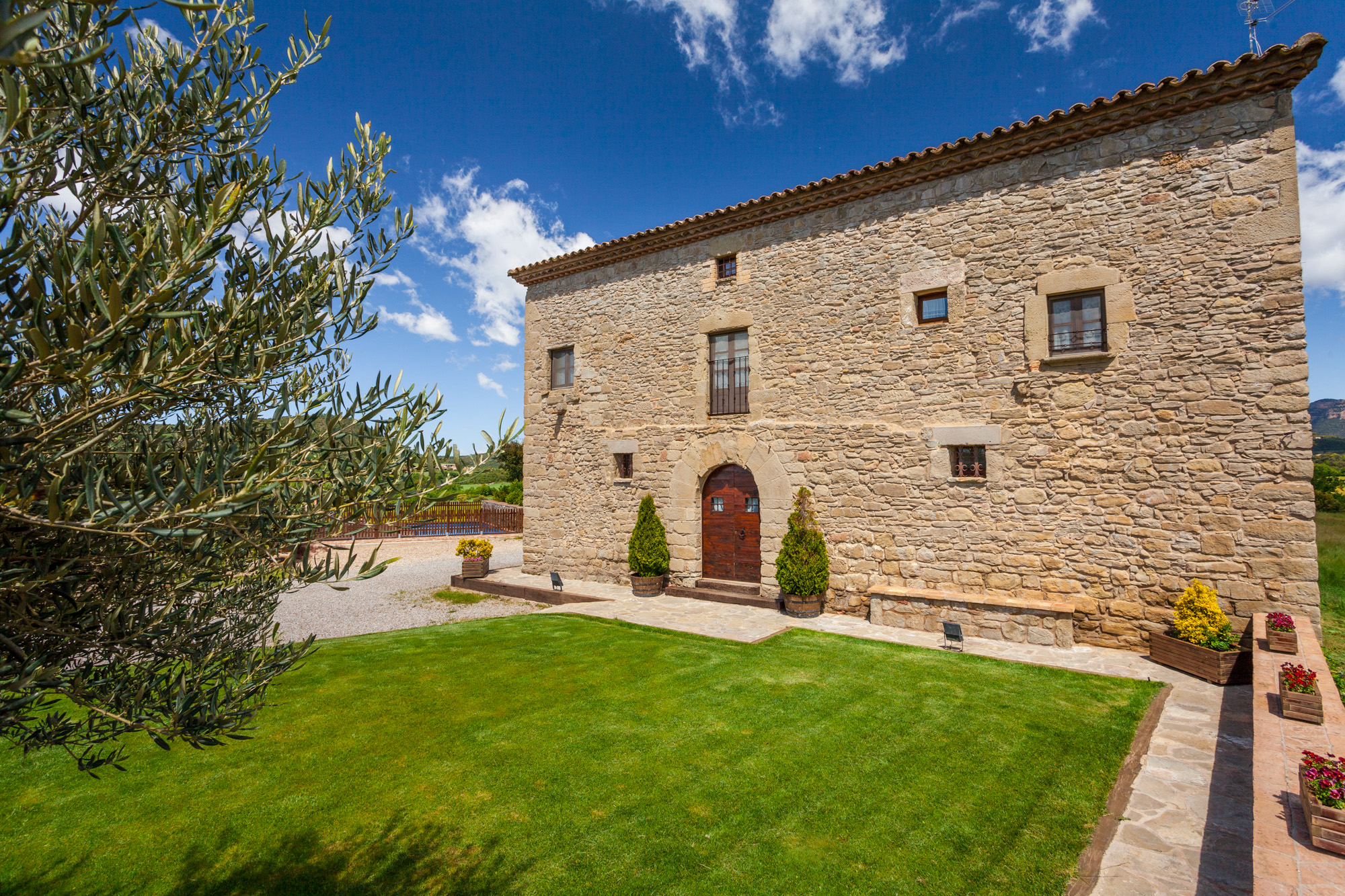
Forest cuisine in Berguedà: wild ingredients and mountain flavours
Read more →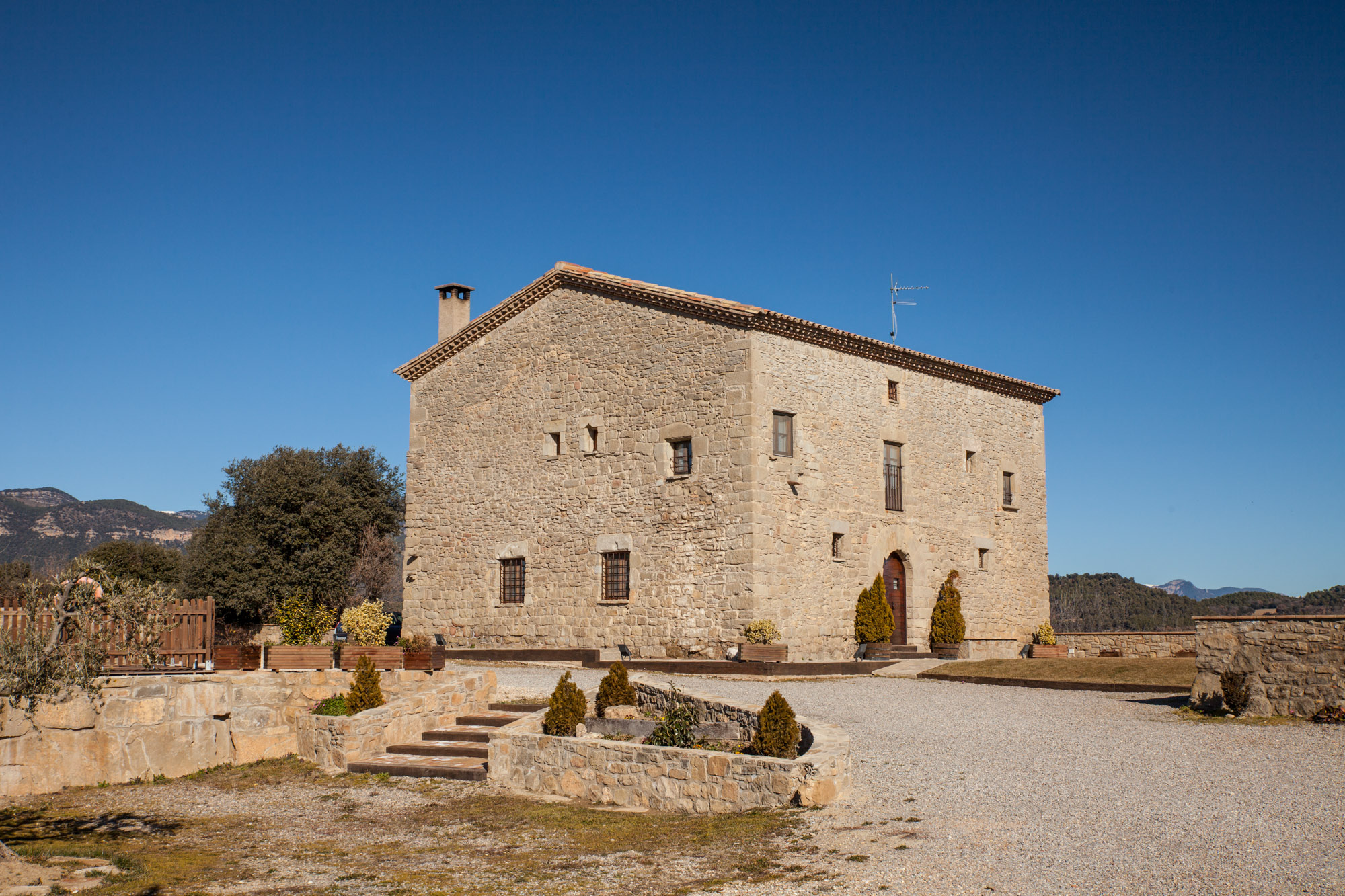
Berguedà Gastronomy: Traditional Catalan Mountain Cuisine
Read more →