La Patum de Berga is one of Catalonia's most extraordinary popular festivals, declared UNESCO Intangible Cultural Heritage of Humanity in 2005. Held during Corpus Christi week in May or June, it transforms the main square of Berga into a realm of fire, drums, giants and primal energy.
Origins: Medieval Corpus Christi Celebrations
La Patum's roots lie in medieval Corpus Christi processions, religious celebrations honouring the Eucharist that spread across Catholic Europe in the 14th century. These processions featured theatrical representations of biblical and allegorical figures: angels, devils, dragons and giants. Over centuries, Berga's celebration evolved, incorporating local legends, pagan elements and a distinctly Catalan character.
The name "Patum" is onomatopoeic, mimicking the sound of the drum: pa-tum, pa-tum. This drum, the heartbeat of the festival, accompanies every performance. Its insistent rhythm creates a hypnotic, almost trance-like atmosphere, drawing participants and spectators into a collective ritual.
By the 18th and 19th centuries, La Patum had become Berga's defining cultural event, a moment when social hierarchies dissolved and the entire town participated in ecstatic celebration. Despite suppression during the Franco dictatorship (1939-1975), when Catalan culture was repressed, La Patum survived, a testament to its deep roots in popular identity.
The Cast of Characters
La Patum features a sequence of ritual performances, each with its own music, choreography and symbolism:
Els Turcs i Cavallets (The Turks and Little Horses): Dancers in Turkish costume and hobby-horse figures re-enact the medieval Christian-Muslim conflicts. The horses rear and spin, the Turks clash, and the crowd presses close.
Els Maces (The Mace Bearers): Figures in Renaissance costume clear the square with ceremonial maces, creating space for the next act.
L'Àliga (The Eagle): A majestic eagle figure, symbol of Berga, dances solo. Its wings spread, its movements stately—a moment of solemn beauty amid the festival's chaos.
Els Gegants (The Giants): Enormous figures representing a king, queen and their court parade through the square, carried by bearers hidden beneath their robes. The giants are beloved symbols of civic pride.
Els Nans Nous i Nans Vells (The New and Old Dwarves): Mischievous dwarf figures caper and tumble, their antics delighting the crowd. They represent the comic, disruptive element in medieval pageantry.
Les Guites (The Mule-Devils): Fire-breathing mule-devil figures charge through the square, spewing sparks from fireworks mounted on their heads. This is La Patum at its most visceral—heat, smoke, danger and exhilaration.
Els Plens (The Fiery Climax): The most intense moment. Fireworks-laden figures spin in the packed square, showering sparks on the crowd. Participants wear protective clothing (old clothes, scarves) and join the swirling, fiery dance. The noise, heat and adrenaline create an unforgettable, almost primal experience.
UNESCO Recognition and Cultural Significance
In 2005, UNESCO inscribed La Patum on its Representative List of the Intangible Cultural Heritage of Humanity, recognising its unique blend of medieval tradition, popular participation and community identity. Unlike many festivals that have become tourist spectacles, La Patum remains deeply rooted in Berga's social fabric. Participation is a rite of passage; generations of families pass down the roles, rhythms and rituals.
La Patum is both sacred and profane, religious and carnivalesque. It embodies Catalan concepts of festa major (the principal town festival) and cultura popular (popular culture)—collective expressions that define local identity. Anthropologists and folklorists study La Patum as a living example of how communities maintain cultural continuity amid modern change.
Experiencing La Patum
La Patum takes place during Corpus Christi week, a movable date in May or June (60 days after Easter Sunday). The main performances occur on Wednesday and Thursday evenings in the Plaça de Sant Pere, Berga's main square. Earlier in the week, there are children's Patum performances, and Sunday features additional processions and dances.
To fully experience La Patum, arrive early to secure a spot in the square—it fills with thousands of people. The atmosphere builds from late afternoon: the drum begins its relentless beat, anticipation mounts, and when the figures finally emerge, the crowd roars. The performances run from evening into the night, culminating in the Plens around midnight or later.
Safety and participation: Els Plens involve real fire and can be dangerous. Wear protective clothing (cotton, not synthetics that melt), cover exposed skin, and wet a scarf to breathe through the smoke. Stay calm, move with the crowd, and heed the mace bearers' directions. Children and those uncomfortable with crowds, noise and fire should watch from the square's edges or the Patum de Lluïment (daytime performance on Thursday morning), which is gentler.
Planning Your Visit
From La Tor de Montclar, Berga is 20 km and 20 minutes via the C-16. During Patum week, Berga's population swells from 16,000 to over 50,000. Book accommodation months in advance—hotels, guesthouses and even private rooms fill up. Many visitors stay in nearby towns like Gironella or Puig-reig and drive or take special buses to Berga.
Arrive in Berga in the afternoon to explore the old town, visit the Museum of La Patum (open during festival week) and dine early—restaurants are packed later. The festival is free and public; the square is open to all. Bars and cafés around the Plaça de Sant Pere do brisk business, and street vendors sell Patum merchandise, drinks and traditional foods.
Combine your visit with the Queralt Sanctuary above Berga or Romanesque heritage sites in the surrounding area. La Patum is an intense, exhausting, exhilarating experience—not a relaxing holiday, but a profound immersion in Catalan popular culture.
Practical information
Free (public square events)
Several hours (evening performance); multi-day for full experience
Intense (crowds, noise, fire); moderate for daytime Patum de Lluïment
Corpus Christi week (May or June, movable date)
20 km (20 minutes)
Discover Berguedà from La Tor de Montclar
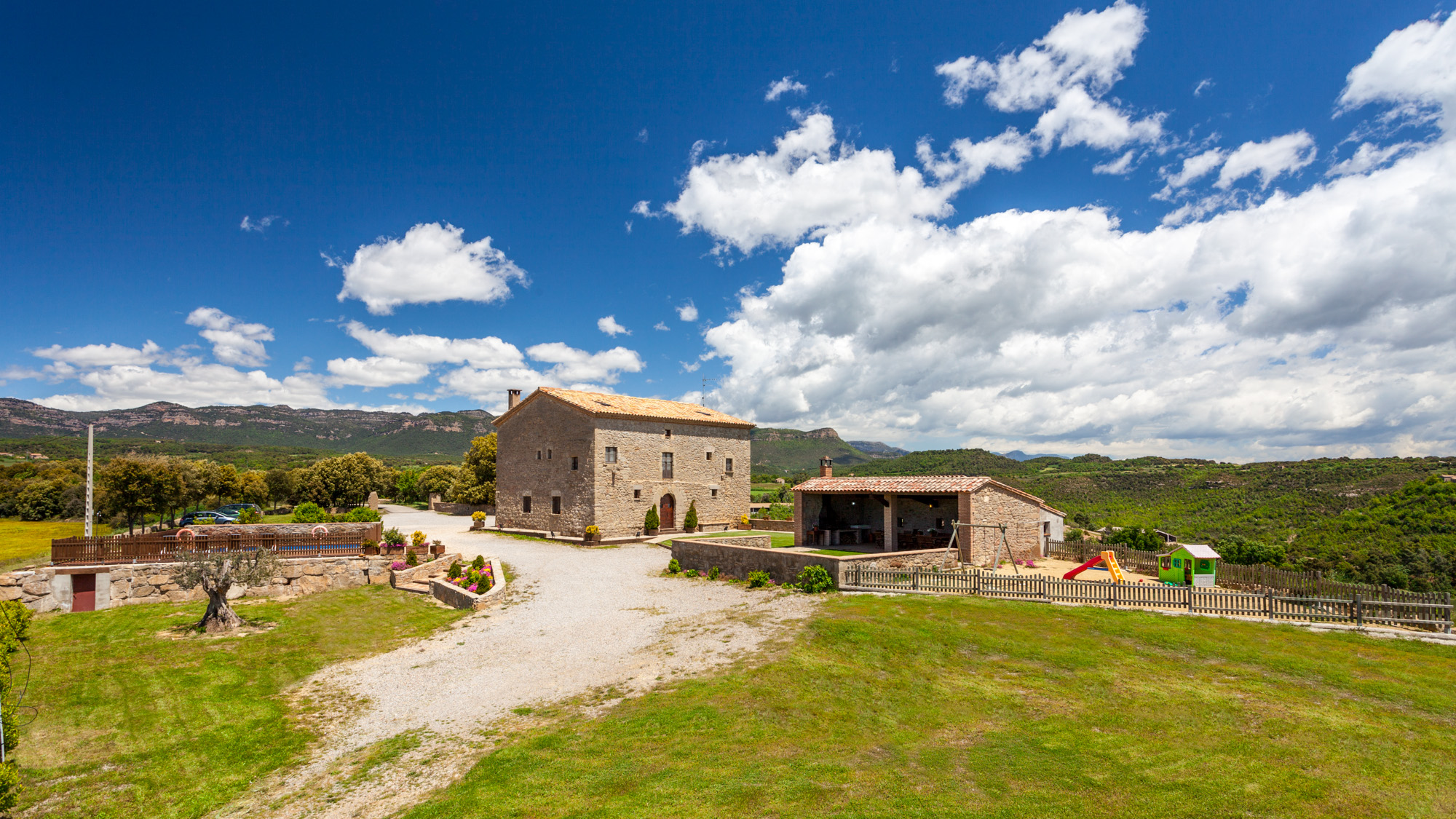
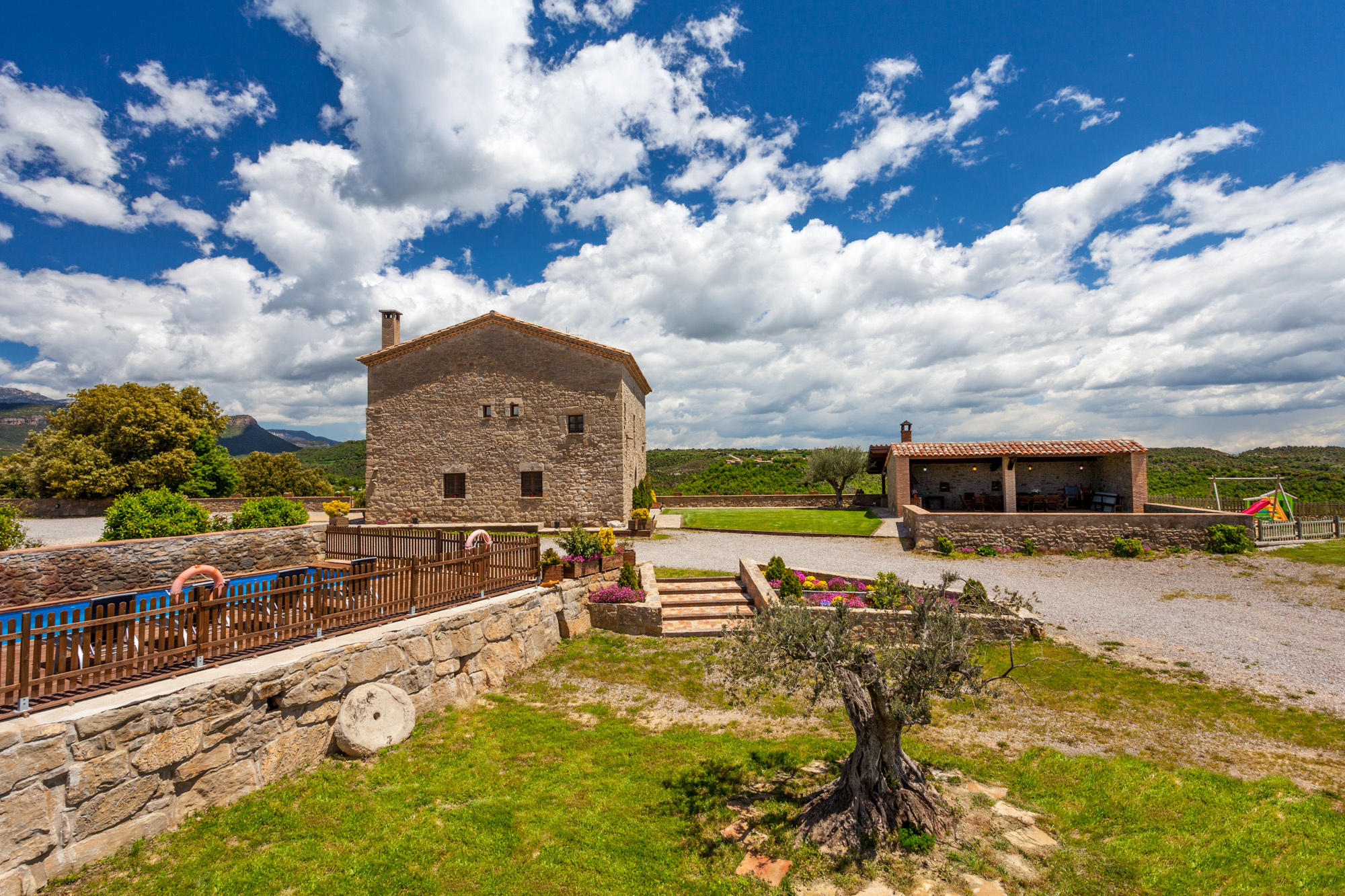
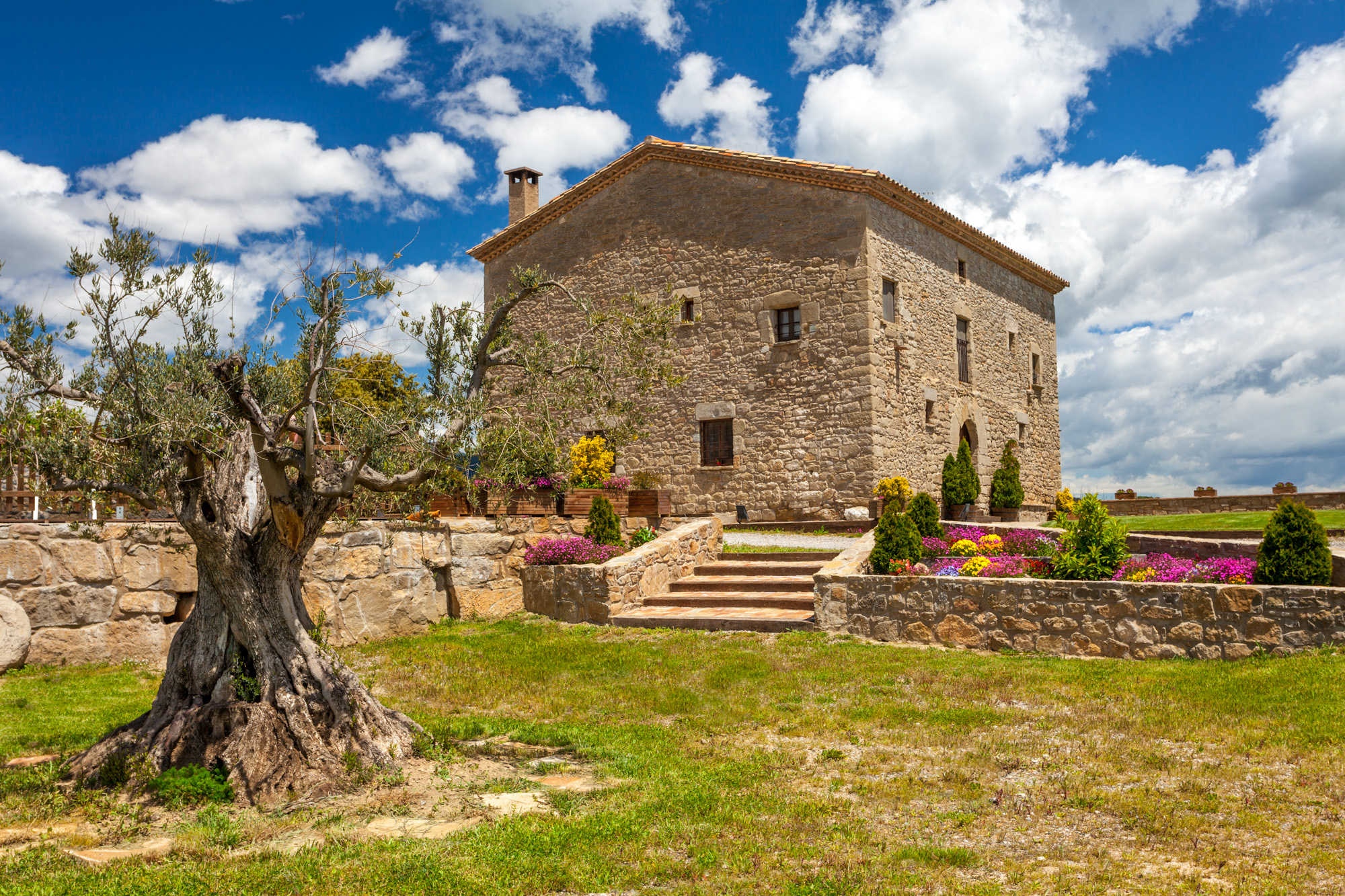
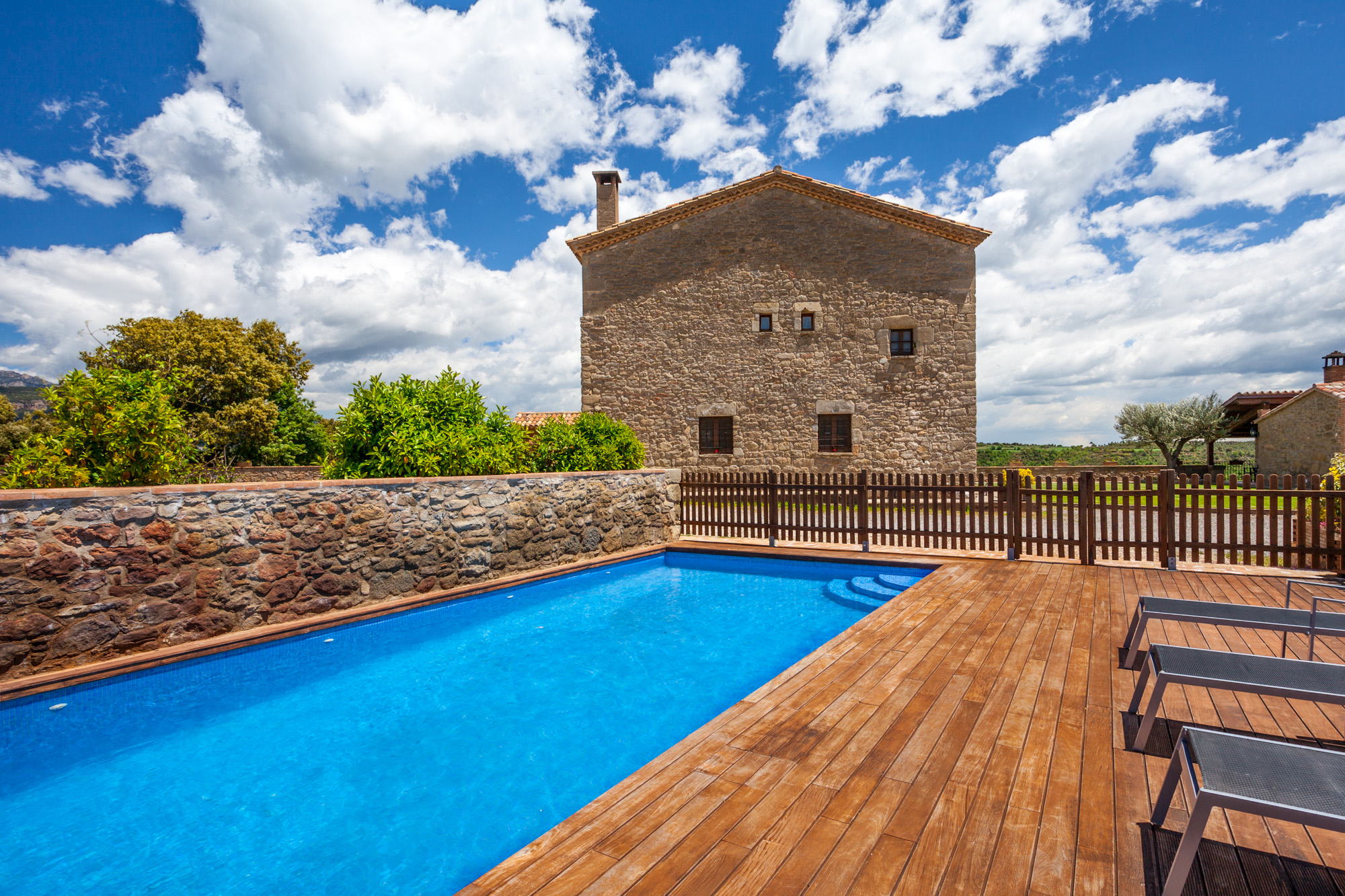
15th-century farmhouse with indoor pool, ideal for groups of up to 20 guests
Check availability