Bagà is a beautifully preserved medieval town in the northern Berguedà, just 15 minutes from La Tor de Montclar. Founded in the 13th century by the Barons of Pinós, it serves as the gateway to the Cadí-Moixeró Natural Park and hosts the Fia-faia, a fire festival inscribed as UNESCO Intangible Cultural Heritage.
Foundation and the Barons of Pinós
Bagà was founded in 1233 by the Barons of Pinós, a powerful feudal family that controlled vast territories in the Berguedà and Solsonès. The baron granted Bagà a charter (carta de poblament), establishing it as a free town with a regular street plan, market rights and defensive walls. This planned foundation was typical of medieval Catalonia, where lords encouraged settlement to consolidate territorial control and generate revenue through trade and agriculture.
The town's strategic location—at the confluence of routes leading to the Cerdanya, the Pyrenees and the Berguedà plains—made it a commercial hub. Markets and fairs attracted merchants from across the region. The Barons of Pinós built their palace in Bagà, using it as an administrative and judicial centre.
Bagà prospered through the Middle Ages, though it suffered during the wars and plagues of the 14th century. The town's fortunes declined as the feudal system weakened, but its medieval core survived remarkably intact, making it one of Catalonia's best-preserved small medieval towns.
The Plaça de la Gallinera: An Architectural Gem
The Plaça de la Gallinera (literally "Henhouse Square," named after the poultry market once held here) is Bagà's architectural centrepiece and one of the finest arcaded squares in Catalonia. The square is lined with medieval houses featuring stone arcades (porxos) supporting upper storeys with wooden balconies and galleries.
These arcades served practical purposes: providing shelter for market stalls and pedestrians, creating covered passageways, and expanding usable space for shops and workshops on the ground floor. The stonework—rounded arches on sturdy columns—exhibits the Romanesque influence that persisted in rural Catalonia long after Gothic architecture dominated cities.
The square retains its medieval scale and intimacy. Cafés and restaurants now occupy the arcaded spaces, allowing visitors to enjoy the atmosphere while sipping coffee or dining. The square hosts markets, festivals and community events, continuing its role as Bagà's social heart.
The Palace of the Barons and the Medieval Centre
The Palace of the Barons of Pinós (Palau dels Barons de Pinós) dominates the upper part of Bagà. This fortified residence, built in the 13th and 14th centuries, served as the family's administrative headquarters. The palace features thick stone walls, defensive towers, a courtyard and a grand hall where the baron dispensed justice and received vassals.
Today, the palace houses two important institutions:
Centre Medieval de Bagà: A museum dedicated to medieval life in the Berguedà, covering topics such as feudalism, trade, daily life, and the Cathars. Interactive exhibits, models and audiovisual presentations make the medieval world accessible. The museum also provides information on the Path of the Good Men (GR 107), the long-distance trail commemorating Cathar exile.
Visitor Centre for Cadí-Moixeró Natural Park: Offers maps, trail information, natural history exhibits and advice for hikers and nature enthusiasts exploring the park. Staff can recommend routes based on fitness level, interests and season.
Entry to the centres is free, making them excellent starting points for exploring Bagà and the surrounding region.
The Fia-faia: A UNESCO Fire Festival
Every year on Christmas Eve (24 December), Bagà celebrates the Fia-faia, a fire festival with roots in pre-Christian winter solstice rituals. At dusk, participants light falles—long bundles of dried birch bark attached to wooden poles—on the mountainside above Bagà. They then run down the steep path into town, the flaming torches trailing sparks and smoke, creating a river of fire descending the slope.
The procession arrives in the Plaça de la Gallinera, where the falles are extinguished and a bonfire is lit. Traditional songs, dances and communal celebration follow, lasting into the night. The ritual is believed to ward off evil spirits, ensure good fortune for the coming year and symbolise the triumph of light over darkness—appropriate for the shortest days of the year.
In 2015, the Fia-faia was inscribed on UNESCO's Representative List of the Intangible Cultural Heritage of Humanity, part of a multinational listing of "Pyrenean summer solstice fire festivals." (While most fire festivals occur in summer, the Fia-faia's winter timing reflects its distinct origins.)
If you spend Christmas at La Tor de Montclar, attending the Fia-faia is an unforgettable experience. Arrive in Bagà by early evening, dress warmly (it's winter in the mountains), and join the crowd in the square. The event is free and open to all. The combination of ancient ritual, fire, community and festive atmosphere makes it deeply moving.
Exploring Bagà and Surroundings
Beyond the Plaça de la Gallinera and the palace, Bagà's medieval streets reward leisurely exploration. The Gothic church of Sant Esteve (14th century) features a single nave and a modest but elegant façade. Stone houses with carved lintels, coats of arms and medieval details line the narrow lanes.
Bagà has a good selection of restaurants serving mountain cuisine: hearty stews (escudella), grilled meats, local cheeses and traditional desserts. Shops sell local products, hiking gear and crafts. The weekly market (check locally for days) brings farmers and vendors from surrounding villages.
From Bagà, numerous hiking trails lead into the Cadí-Moixeró Natural Park. The Visitor Centre provides maps and advice. Popular routes include walks to mountain refuges, ascents of peaks like Pedraforca (for experienced hikers), and forest trails suitable for families. In winter, the area offers snowshoeing and cross-country skiing.
Nearby villages such as Gósol (20 minutes by car) and Gréixer offer additional Romanesque heritage, scenic beauty and tranquillity. Bagà is also a stage on the Path of the Good Men (GR 107), making it a convenient base for multi-day hikers.
Practical Visitor Information
From La Tor de Montclar, Bagà is approximately 12 km via the C-26, a scenic 15-minute drive through mountain landscapes. Parking is available near the old town, though spaces can be limited on weekends and during festivals.
The Medieval Centre and Cadí-Moixeró Visitor Centre are open year-round, typically Tuesday to Sunday (check locally for exact hours). Entry is free. Guided tours of the old town can be arranged through the Bagà tourist office.
Bagà makes an excellent half-day excursion from Montclar, easily combined with hiking, Romanesque church visits or simply enjoying the mountain scenery. Allow 2-3 hours for a leisurely visit to the square, palace, church and a meal. If planning to hike in the natural park, allow a full day.
Practical information
Free (old town and centres)
2-3 hours (town visit); full day including hiking
Easy (flat walking in town)
Year-round; Fia-faia on 24 December
12 km (15 minutes)
Discover Berguedà from La Tor de Montclar
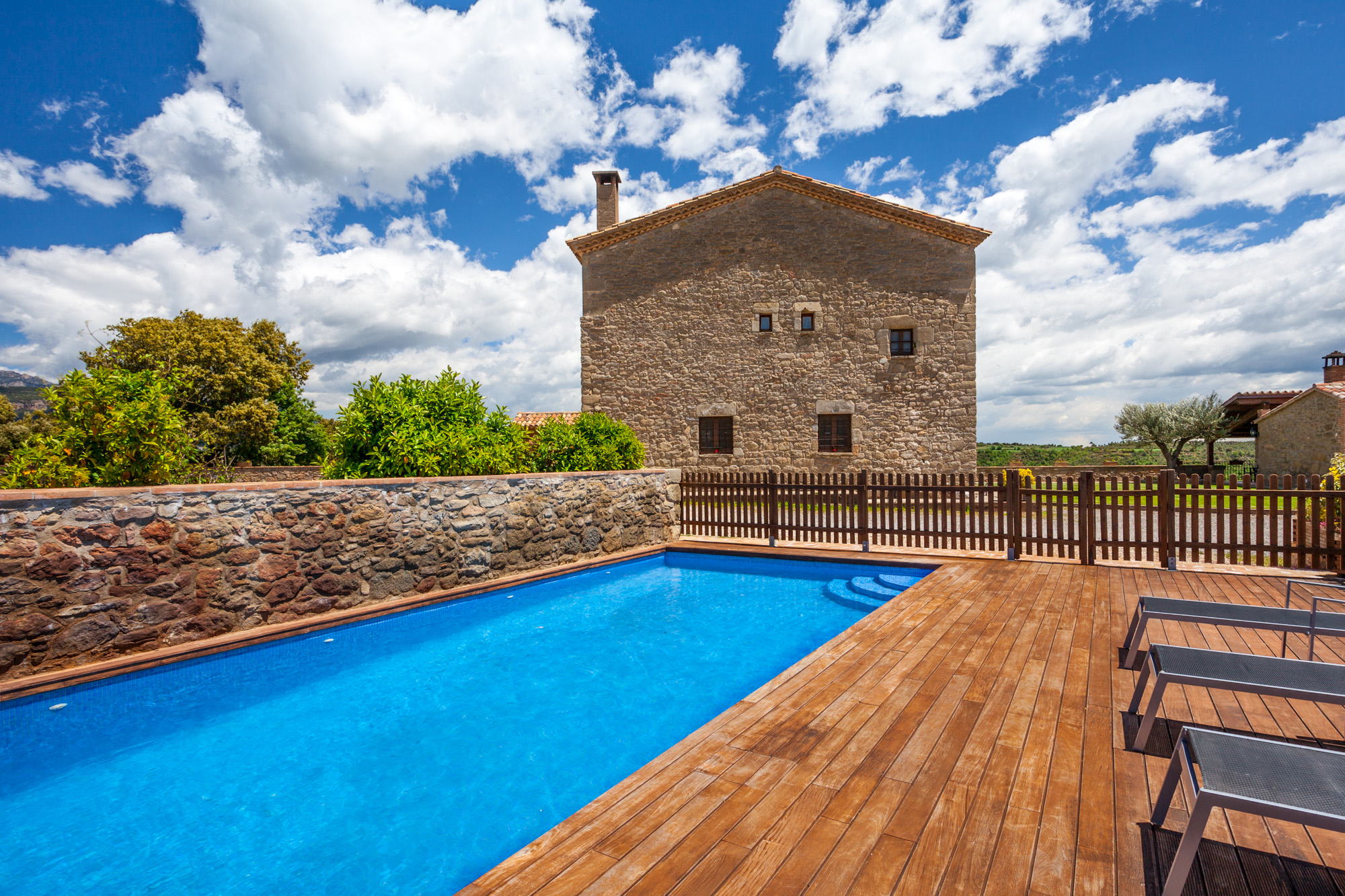
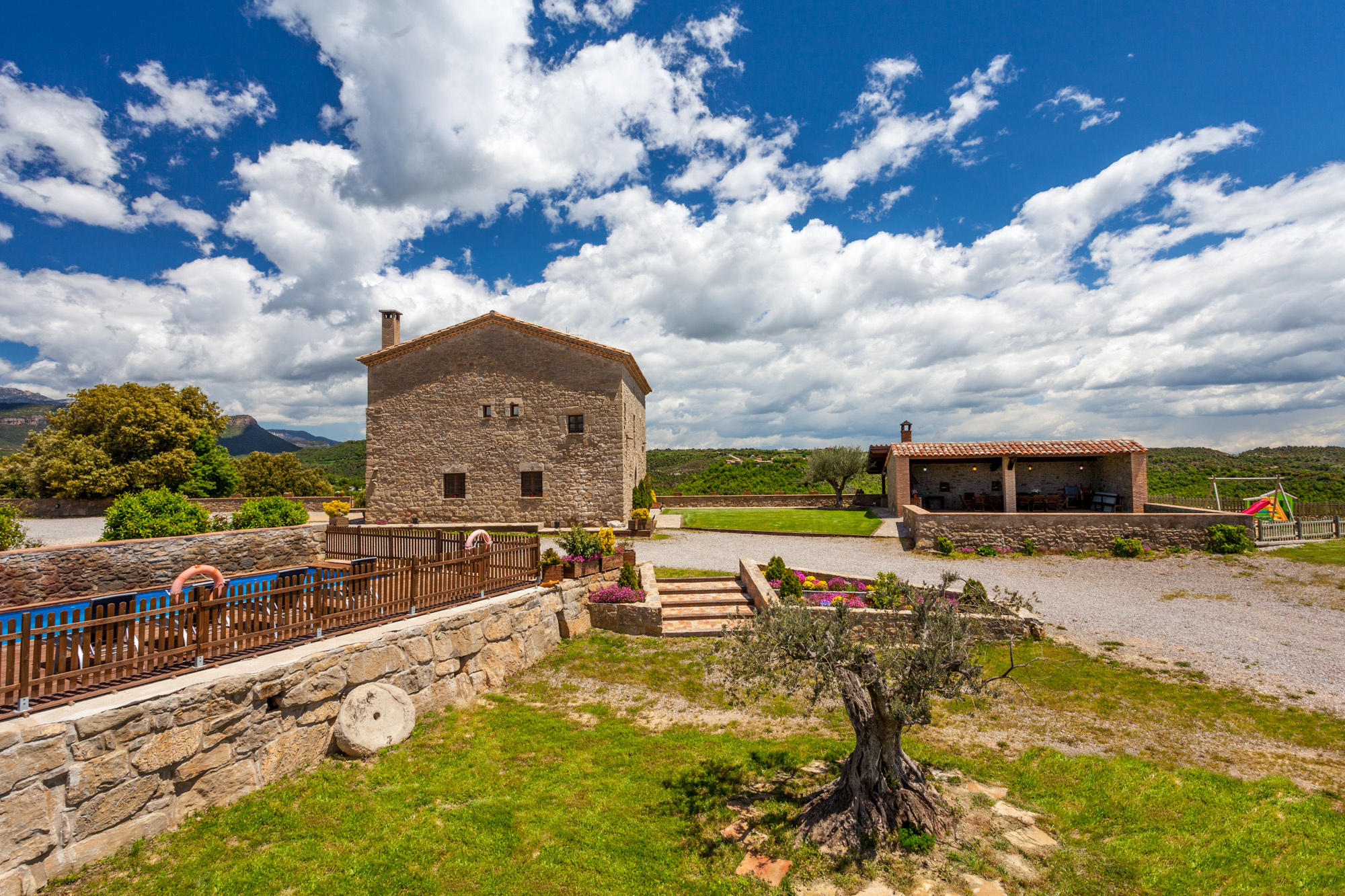
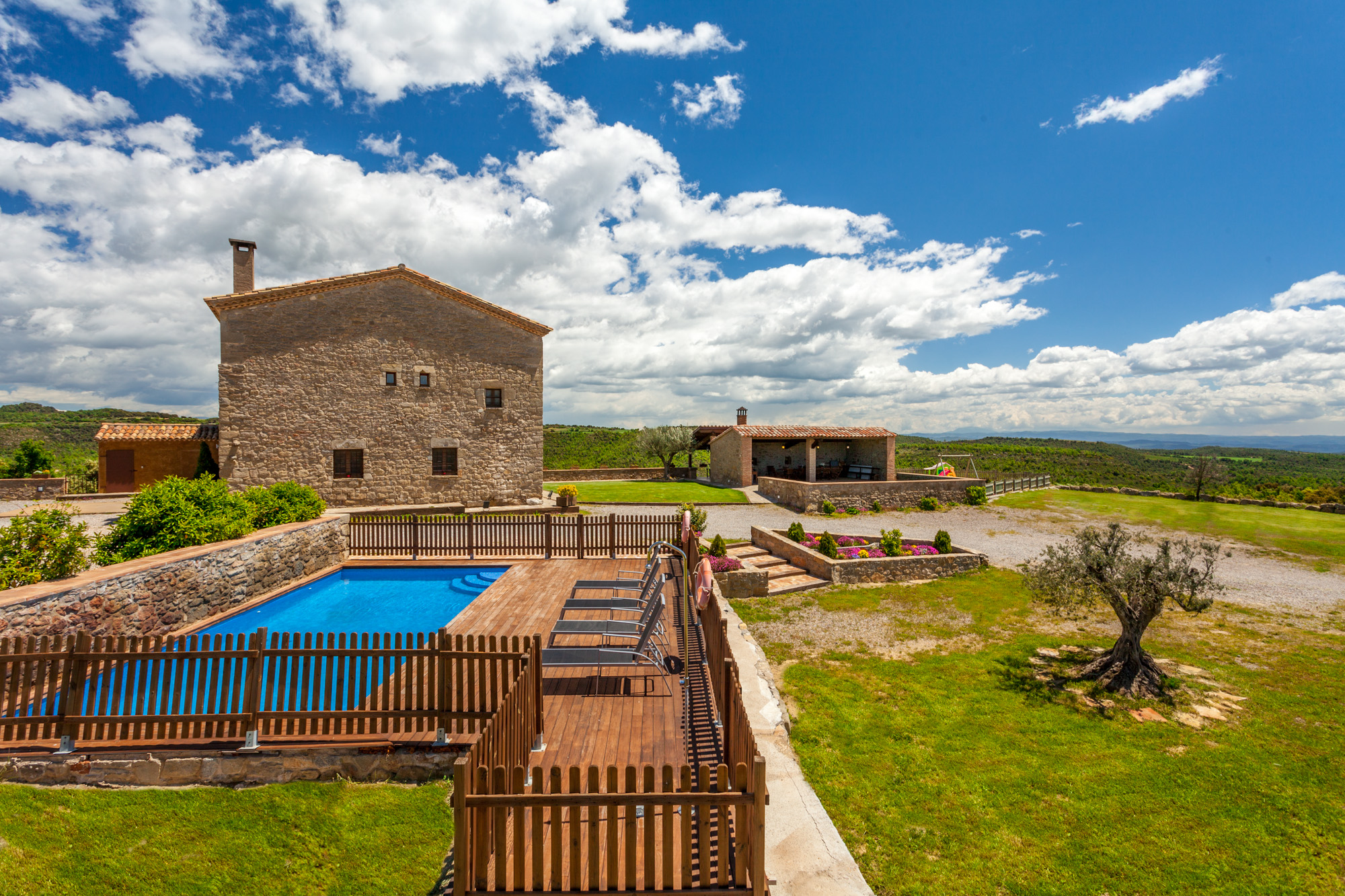
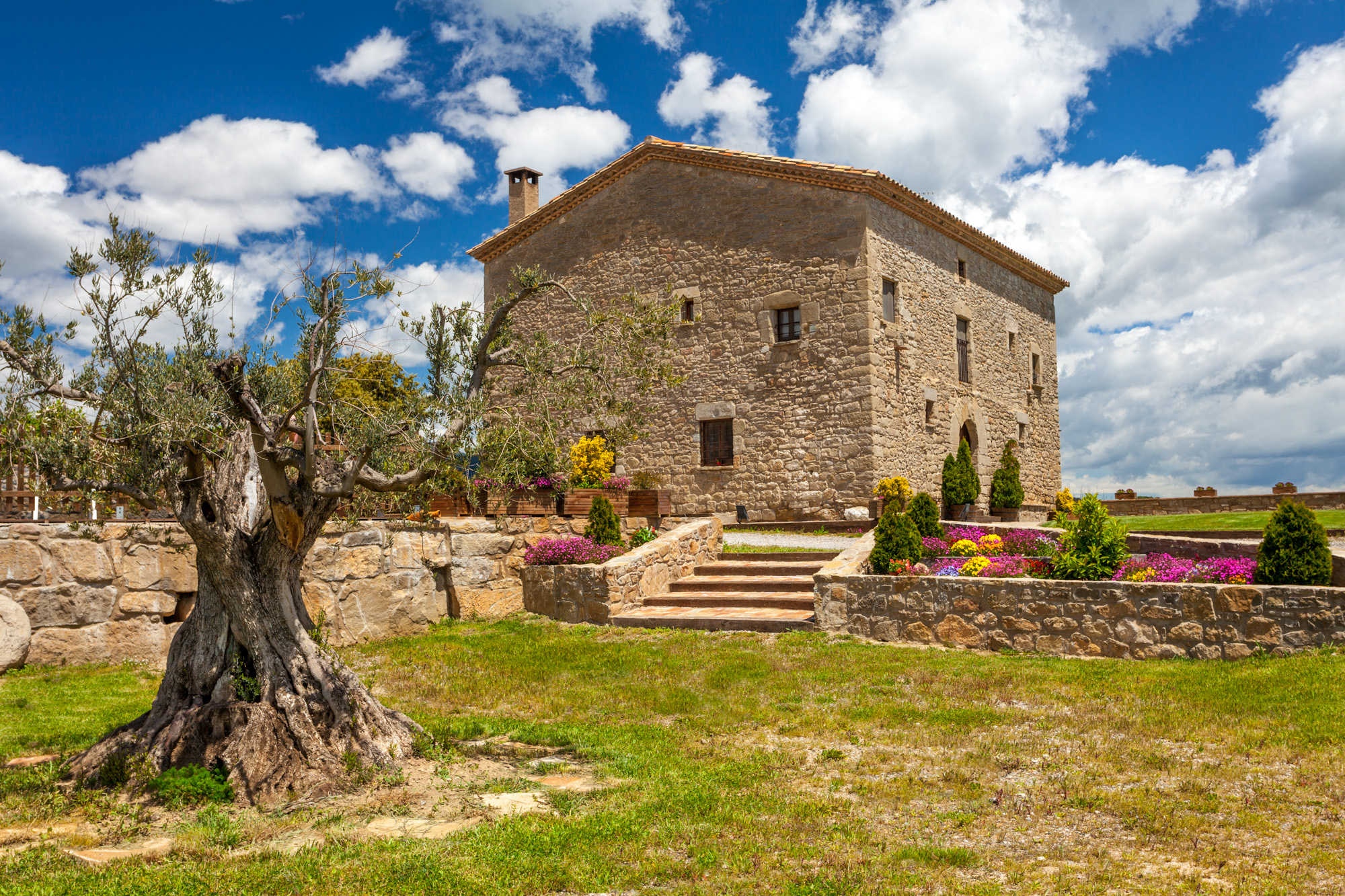
15th-century farmhouse with indoor pool, ideal for groups of up to 20 guests
Check availability