The church of Sant Quirze de Pedret, perched on a rocky outcrop above the Llobregat River near Cercs, is one of Catalonia's most important pre-Romanesque monuments. Its 9th-century origins and extraordinary wall paintings place it among the earliest surviving examples of Christian art in the Iberian Peninsula.
Origins in the Early Medieval Period
Sant Quirze de Pedret was built in the 9th century, during a formative period for Christian communities in the recently reconquered territories of Catalonia. The church's name honours Saint Quiricus (Sant Quirze in Catalan), a child martyr of early Christianity venerated across the Mediterranean. The location, isolated yet defensible, was typical of this era when churches often doubled as refuges.
In the 10th century, the church was expanded with additional apsidioles (small side apses), reflecting the growing prosperity of the parish. These extensions incorporate horseshoe arches, a distinctive element of Mozarabic architecture—the style developed by Christians living under Muslim rule in southern Iberia. The presence of Mozarabic features in the Berguedà, far from Al-Andalus, indicates the cultural exchange and migration that characterised medieval Spain.
The Wall Paintings: A Rare Survival
Sant Quirze de Pedret is celebrated for its 10th to 12th-century frescoes, among the oldest in Catalonia. The most famous image is the Orant, a figure with arms raised in the ancient Christian gesture of prayer. This frontal, stylised representation exemplifies early medieval religious art's symbolic, hieratic quality, more concerned with spiritual presence than realistic depiction.
Other scenes depict mounted warriors in combat, possibly representing the struggle between good and evil or commemorating local feudal conflicts. The colour palette—ochres, reds and blacks derived from mineral pigments—has faded over the centuries but retains a haunting beauty.
In the early 20th century, art collectors and museums began removing Romanesque frescoes from rural Catalan churches to prevent their deterioration. Sant Quirze's paintings were detached and are now preserved at the Diocesan Museum of Solsona and the Museu Nacional d'Art de Catalunya (MNAC) in Barcelona. High-quality reproductions have been installed in the church, allowing visitors to appreciate the artworks in their original architectural context.
Architectural Restoration
By the late 20th century, Sant Quirze de Pedret had suffered centuries of modifications, additions and deterioration. A comprehensive restoration in the 1990s aimed to return the church to its early medieval appearance, removing later additions and stabilising the structure. Today, visitors can clearly see the building's pre-Romanesque core and the subsequent Romanesque extensions, offering a lesson in architectural evolution over three centuries.
The restoration also uncovered archaeological remains indicating continuous occupation from the 9th century through the Middle Ages. Fragments of carved stonework, ceramics and burial sites provide evidence of a thriving rural community centred on this church.
The Medieval Bridge and Setting
Access to Sant Quirze de Pedret is via a picturesque medieval stone bridge spanning the Llobregat River. This bridge, contemporary with the church, carried the old road linking the Berguedà to the Cerdanya, a high mountain comarca to the north. The setting is remarkably peaceful: the church stands alone amid oak and pine forest, with the sound of the river below and mountain peaks rising in the distance.
The isolation that once made this a strategic religious site now makes it a place of contemplation, ideal for visitors seeking a connection with Catalonia's early medieval past.
Practical Visitor Information
Sant Quirze de Pedret is managed by the Cercs Mining Museum (Museu de les Mines de Cercs), which offers guided tours by appointment. Tours include historical context, explanation of the architectural features, and discussion of the frescoes and their significance. The visit typically lasts 45 minutes to one hour.
The site is reached via a signposted track off the C-16 highway near Cercs. While accessible by car, the final approach involves a short walk over the medieval bridge. Wear comfortable walking shoes, and be prepared for uneven terrain. From La Tor de Montclar, the drive takes approximately 20 minutes. Advance booking is essential, especially during weekends and summer months.
Practical information
€4 (guided tour, book via Cercs Mining Museum)
1 hour (guided tour)
Easy (short walk from parking)
Year-round; check weather in winter
20 km (20 minutes)
Discover Berguedà from La Tor de Montclar
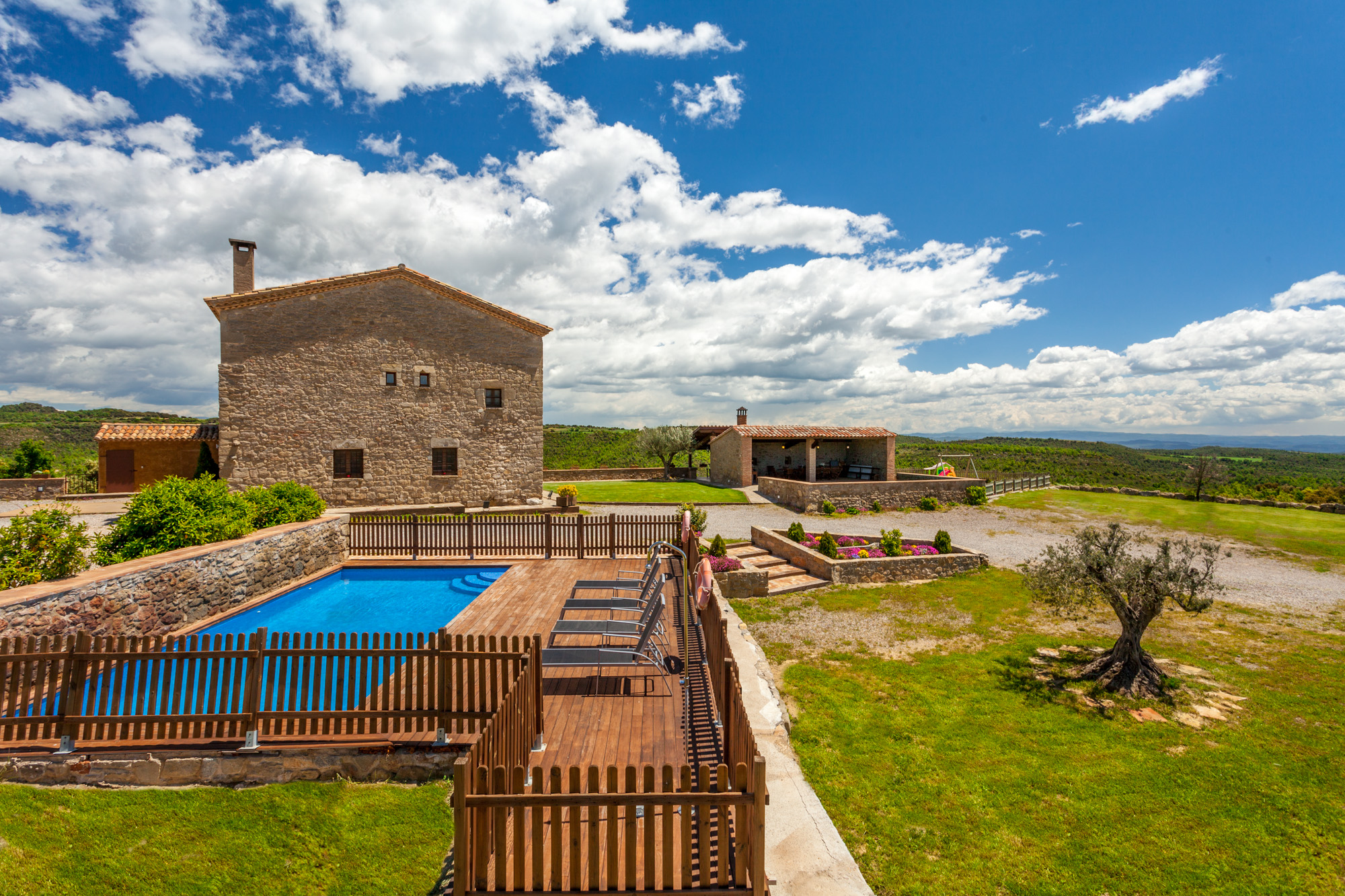
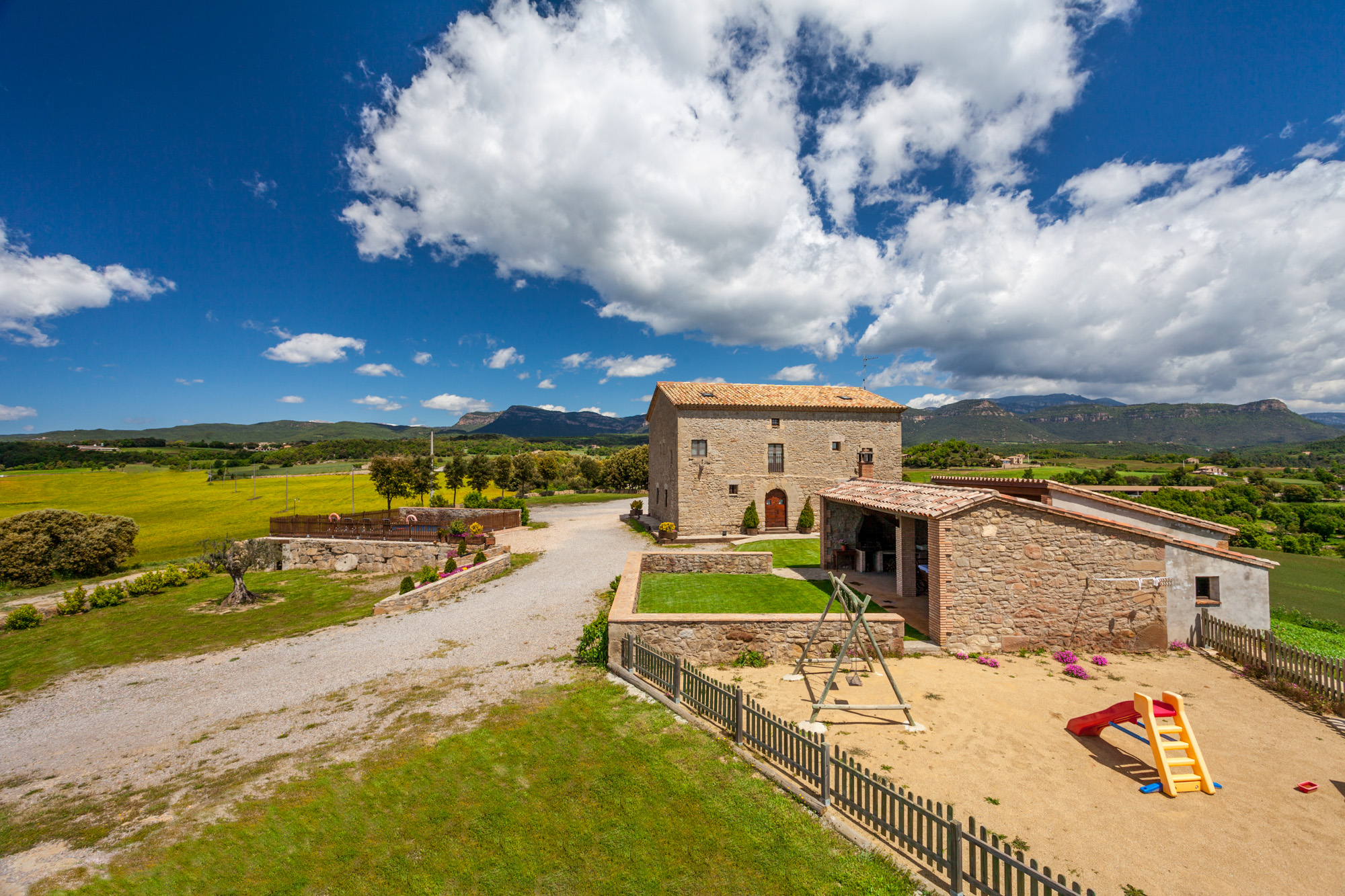
15th-century farmhouse with indoor pool, ideal for groups of up to 20 guests
Check availability