The Llobregat River, which flows through Barcelona on its way to the Mediterranean, begins its journey at a dramatic karst spring near the village of Castellar de n'Hug. The Fonts del Llobregat is one of Catalonia's most impressive natural springs, where water that has traveled underground through the limestone bedrock of the Serra del Cadí emerges full-born from the mountainside. This easy walk to the river's source provides a perfect family outing, combining accessible hiking, spectacular scenery, and geological interest, making it ideal for a half-day excursion from La Tor de Montclar.
The Llobregat River: From Source to Sea
The Llobregat is Catalonia's second-longest river after the Ebro, flowing 175 kilometers (109 miles) from its source at 1,295 meters elevation in the high Pre-Pyrenees to the Mediterranean Sea south of Barcelona. The river has shaped Catalonia's history and development, providing water for agriculture, powering mills and early industries, and eventually becoming central to Barcelona's water supply.
The river's name derives from the Latin "lupus acutus" (sharp wolf), referring to the sharp peaks surrounding its upper valley. Throughout its course, the Llobregat drops approximately 1,300 meters, creating the dramatic gorges and valleys that characterize the river's upper reaches. The Fonts del Llobregat marks the visible beginning of this long journey, though the water's true origin lies kilometers away in the underground aquifer system beneath the Serra del Cadí.
The Karst Spring: Geology and Hydrology
The Fonts del Llobregat is a karst spring, meaning the water emerges from underground limestone formations where it has traveled through caves and fissures. Rainwater and snowmelt falling on the Serra del Cadí percolates through the porous limestone, slowly dissolving the rock and creating an extensive underground drainage system.
This underground water eventually reaches an impermeable rock layer and flows horizontally until it finds an outlet—the spring at Castellar de n'Hug. The water emerges from several openings in the rock face, with the main spring producing a substantial flow even during summer months. In spring (April-June), when snow is melting in the mountains above, the flow becomes particularly impressive, with the roar of rushing water audible from a distance.
The water temperature remains constant year-round at around 8-9°C (46-48°F), reflecting the underground journey rather than surface conditions. The spring's consistent flow has made it valuable for human use throughout history—nearby, you can still see the ruins of historic mills and manufacturing facilities that harnessed the water's power.
The Walk to the Springs
The trail to the Fonts del Llobregat begins at Castellar de n'Hug, a well-preserved mountain village that serves as the gateway to this natural attraction. Ample parking is available near the village center (parking fees apply during peak season). The marked trail begins near the church and immediately descends toward the river valley.
The path is well-maintained and suitable for all fitness levels, including families with children. The route covers approximately 1 kilometer (0.6 miles) one way with minimal elevation change—you actually descend about 100 meters to reach the springs. The trail follows the young Llobregat River downstream through mixed forest, with numerous viewpoints offering glimpses of the rushing water.
Along the way, interpretive signs (in Catalan, Spanish, and English) explain the geological processes creating the karst spring, the area's industrial history, and the local ecology. The path passes ruins of old industrial buildings, including the Museu del Ciment Asland (Cement Museum), housed in a historic cement factory. The museum provides fascinating insight into the industrial use of the Llobregat's power and the region's geology.
At the Source and Surrounding Area
The springs themselves are the walk's highlight. The main spring emerges from a rocky grotto at the base of a cliff, with water flowing from multiple openings. A viewing platform allows visitors to appreciate the volume and power of water emerging from the mountain. In spring, the force of water is genuinely impressive; by late summer, the flow reduces but remains substantial.
The area around the springs is beautifully landscaped while preserving the natural setting. Paths and bridges allow you to explore from different angles, and benches provide spots to sit and enjoy the spectacle. The microclimate created by the cold water and spray supports distinctive vegetation, including ferns, mosses, and other moisture-loving plants that thrive in this perpetually damp environment.
After visiting the springs, most visitors return via the same path to Castellar de n'Hug. The uphill return takes slightly longer than the descent but remains easy for anyone with basic fitness. The round-trip walk typically takes 1 hour, though many visitors spend 1.5-2 hours to enjoy the setting at a leisurely pace and visit the cement museum.
Best Times to Visit and Seasonal Variations
The Fonts del Llobregat can be visited year-round, but each season offers a different experience. Spring (April-June) provides the most dramatic display, with snowmelt swelling the flow to its annual maximum. The water roars from the mountain in impressive volume, and the surrounding vegetation bursts into bloom. This is the most popular season, bringing larger crowds especially on weekends and holidays.
Summer (July-August) sees reduced water flow but offers pleasant temperatures for walking and generally less crowded conditions. The cool microclimate around the springs provides welcome relief on hot days. Autumn (September-October) combines good weather, moderate water flow, and beautiful colors as the deciduous forests transition through fall foliage.
Winter visits are possible and can be magical when snow covers the landscape, but be prepared for icy conditions on the trail and ensure you have appropriate footwear with good grip. The springs never freeze, creating the surreal sight of flowing water surrounded by snow and ice.
Making the Most of Your Visit
A visit to the Fonts del Llobregat combines well with exploring Castellar de n'Hug itself. This traditional Pyrenean village features stone houses with slate roofs, narrow streets, and a beautiful 12th-century Romanesque church (Sant Vicenç de Rus). The village retains an authentic mountain character, with several good restaurants serving traditional Catalan mountain cuisine.
From La Tor de Montclar, the drive to Castellar de n'Hug takes approximately 40 minutes (35 km) via the C-16 highway and local roads. The route itself is scenic, climbing through the Llobregat valley with impressive mountain views. Consider combining the springs visit with other nearby attractions such as the charming town of La Pobla de Lillet or the famous Clot del Moro viewpoint.
Practical tips: wear comfortable walking shoes with good grip (the path can be damp and slippery near the springs), bring a light jacket even in summer (the temperature around the springs is noticeably cooler), and consider timing your visit for morning or late afternoon to avoid crowds and enjoy better lighting for photographs. The walk is suitable for children, though supervision is necessary near the water. Dogs are permitted but must be kept on a leash.
The Fonts del Llobregat offers a perfect introduction to Pyrenean hydrology and geology, accessible to visitors of all ages and abilities. It's an ideal choice for a gentle half-day outing that combines natural beauty, educational value, and the simple pleasure of witnessing one of nature's most fundamental processes—the birth of a river.
Practical information
1 hour (round trip)
Easy
Spring (April to June)
35 km (40 min)
1,295 m
Discover Berguedà from La Tor de Montclar
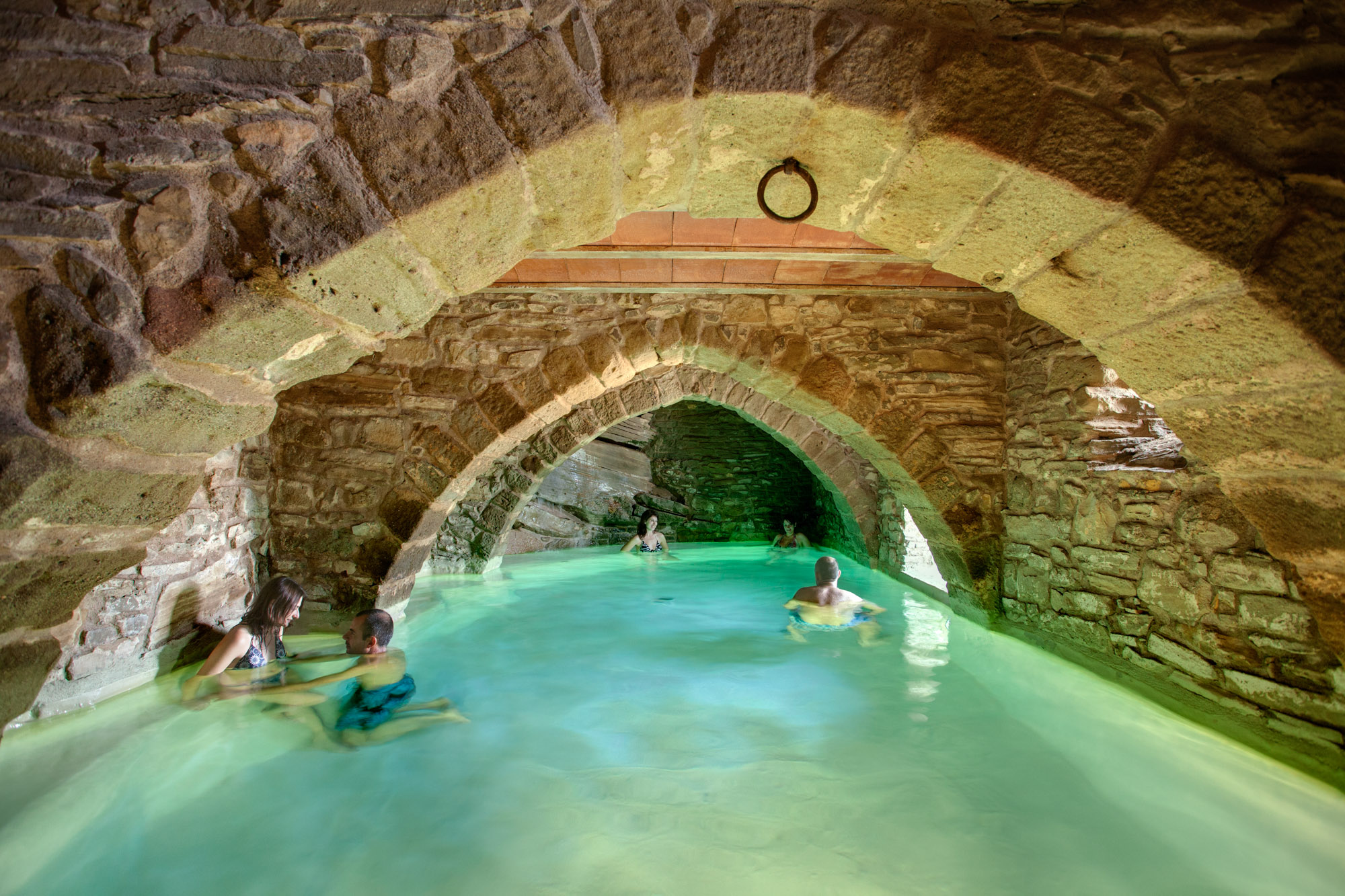
15th-century farmhouse with indoor pool, ideal for groups of up to 20 guests
Check availability