Accessible tourism shouldn't mean sacrificing authentic experiences. In Catalonia's rural areas, an increasing number of historic properties are adapting their facilities to welcome guests with mobility challenges, sensory impairments, or other accessibility needs. However, the reality of adapting centuries-old stone farmhouses presents unique challenges. This guide helps international travelers with accessibility requirements navigate Catalan rural accommodation honestly and practically.
Understanding Spanish Accessibility Standards
Spain's accessibility framework differs from other countries:
Legal Requirements:
- Ley 51/2003: National equal opportunities law requiring tourism facilities to be accessible
- Catalan regulations: More stringent than national standards, especially for new constructions
- Historic building exemptions: Buildings predating 1950 (most masías) have partial exemptions from strict accessibility requirements
What this means: New rural hotels must be accessible, but historic masías aren't legally required to the same extent. Many owners adapt what they can, but wholesale accessibility renovations often conflict with heritage preservation.
Official Accessibility Certifications:
- SICTED (Spanish Tourist Quality System): Includes accessibility module, but doesn't guarantee wheelchair access
- Accessible Tourism Seal (Catalunya): Awarded to properties meeting specific criteria for mobility, visual, hearing, or cognitive accessibility
- ONCE Foundation certification: Spanish blindness organization certifies accessibility for visually impaired
Key tip: Don't rely on seals alone. Always call and discuss your specific needs directly with property owners.
The Historic Masía Challenge: Why Accessibility is Difficult
Understanding why Catalan masías present accessibility challenges helps set realistic expectations:
Architectural Obstacles:
- Narrow doorways: Medieval doors are typically 70-80cm (28-31 inches) wide. Wheelchairs need 80cm+ (32+ inches)
- Steep staircases: Internal stairs are often narrow, winding, and lack space for ramps or lifts
- Uneven stone floors: Historic flagstones are charming but create trip hazards and wheelchair obstacles
- Multi-level layouts: Traditional masías are organized vertically (stables below, living quarters above, attic storage). This inherently challenges single-floor accessibility
- Small bathrooms: Historic bathrooms (often added in the 20th century to older buildings) lack the 1.5m turning radius wheelchairs require
Renovation Constraints:
- Heritage protection: Many masías are Bien de Interés Cultural (cultural heritage sites) where exterior modifications require government approval
- Cost: Installing elevators or completely redesigning floor plans costs €50,000-150,000
- Structural limitations: Thick stone walls and vaulted ceilings limit where modifications are physically possible
This isn't to say accessible rural tourism is impossible—but it requires finding properties that have prioritized accessibility renovations or were built/renovated recently with accessibility in mind.
What to Verify Before Booking: Essential Questions
International travelers should create a detailed accessibility checklist:
Building Access:
- "Is there a level entrance to the property?" – Clarify if this means truly level (no steps) or "small step" (which might be 5-10cm)
- "If there are steps at the entrance, how many and what height?" – Get exact measurements
- "Is there a ramp? What is its gradient?" – Ramps steeper than 6% (1:15 ratio) are difficult for wheelchair users
- "What is the surface from parking to entrance?" – Gravel, grass, or cobbles challenge wheelchairs; smooth paving is ideal
Interior Accessibility:
- "Are there accessible bedrooms on the ground floor?" – Verify they're truly ground floor without steps
- "What is the width of doorways to bedrooms and bathrooms?" – Need minimum 80cm (32 inches), ideally 85cm+
- "Can a wheelchair turn 360° in the bedroom?" – Requires roughly 1.5m (5 feet) clear diameter
- "Are beds at accessible height?" – Standard is 45-50cm (18-20 inches) from floor to mattress top
Bathroom Facilities (Critical):
- "Is there a roll-in shower or step-free shower access?" – Even 2-3cm lips can prevent wheelchair access
- "Are there grab bars in the shower and beside the toilet?" – Verify they're professionally installed, weight-bearing
- "What is the toilet height?" – Accessible toilets should be 45-48cm (18-19 inches) high
- "Can a wheelchair fit beside the toilet for lateral transfer?" – Requires 80cm+ (32+ inches) clear space
- "Is the sink accessible with knee clearance underneath?" – Wall-mounted sinks allow wheelchair users to get close
Common Areas and Facilities:
- "Is the kitchen accessible?" – Counter heights, appliance access, turning space
- "Can guests in wheelchairs access the dining area?" – Including space to approach the table
- "Is the pool accessible?" – Look for pool lifts, ramps into water, or beach-style entries
- "Are outdoor spaces accessible?" – Gardens, terraces, BBQ areas—verify surfaces and routes
Adapted Properties in the Berguedà and How to Find Them
Finding genuinely accessible rural accommodation requires proactive research:
Official Resources:
- Catalunya Accessible (gencat.cat): Government database of certified accessible tourism facilities. Search by region and accessibility type (mobility, visual, hearing)
- Turismo Berguedà website: Contact the regional tourism board (turismebergueda.cat) directly—staff can recommend adapted properties
- COCEMFE Catalunya: Spanish disability federation maintains accommodation recommendations
What "Adapted" Actually Means in the Berguedà:
Few historic masías are fully wheelchair accessible, but some offer:
- Ground-floor bedrooms: Avoiding stairs for sleeping accommodation
- Adapted bathrooms: Roll-in showers, grab bars, and accessible fixtures in at least one bathroom
- Level access to main living areas: Kitchen, dining room, and lounge accessible without steps
- Accessible outdoor spaces: Paved paths to terraces, gardens, and pools
La Tor de Montclar Accessibility Profile:
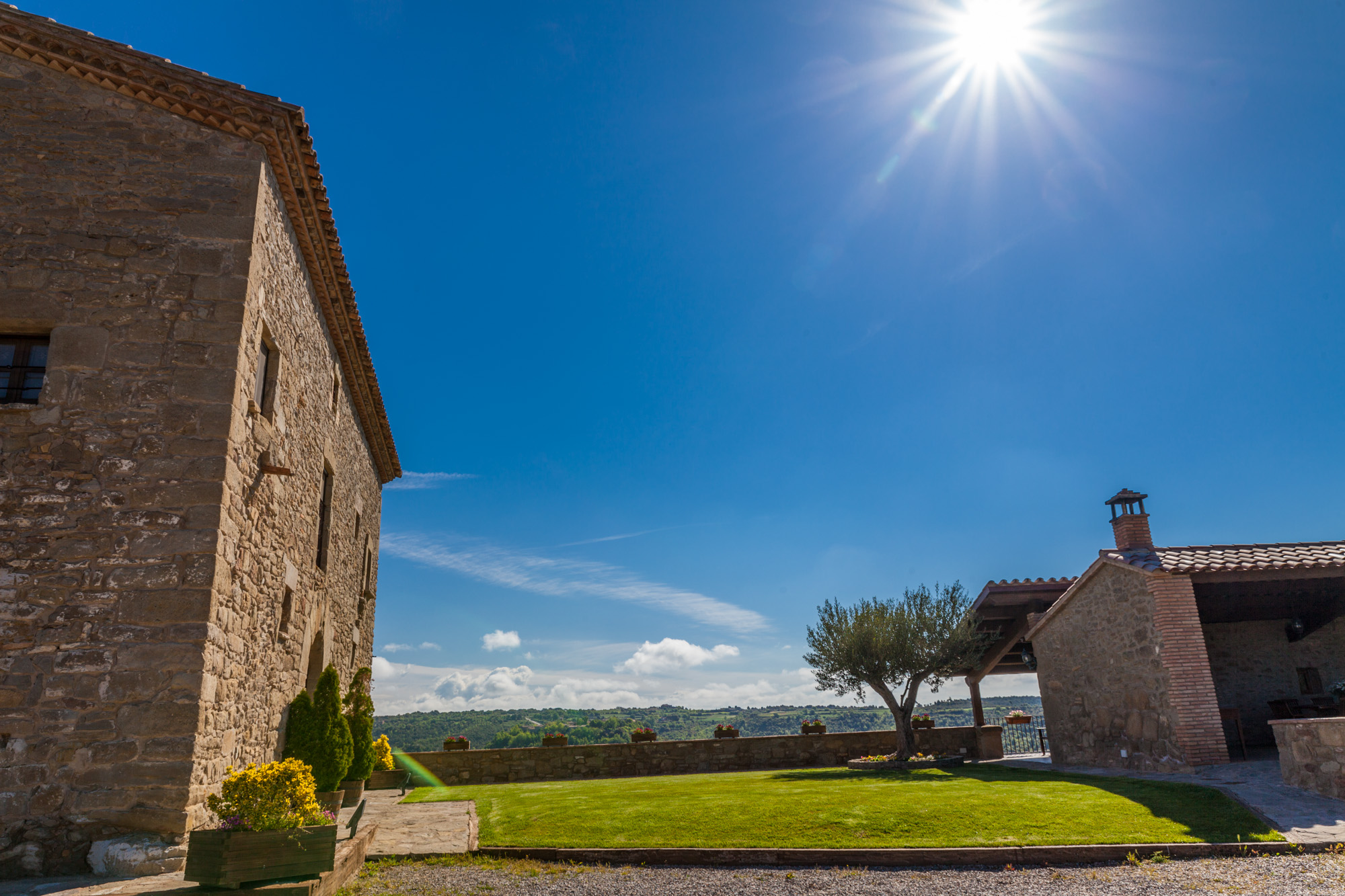
As a 15th-century masía, La Tor has inherent challenges (it's a multi-story historic building). However:
- Spacious ground-floor areas: Wide rooms facilitate mobility device navigation
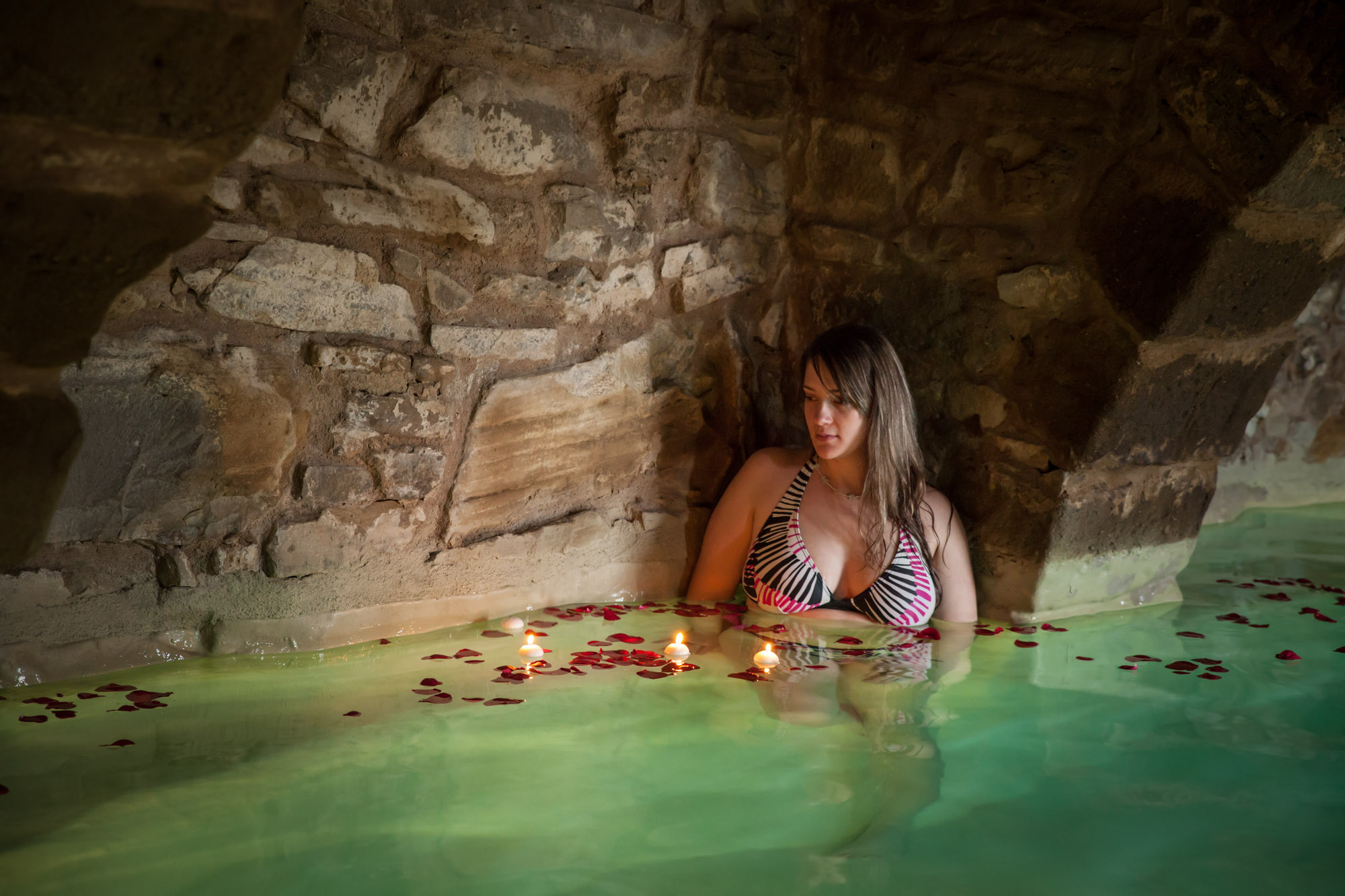
- Indoor pool accessibility: Located on ground floor with level access from main areas
- Private property: For groups including members with mobility challenges, you can organize accommodations (main floor bedrooms, bathroom access) within the group
Honest assessment: La Tor isn't certified wheelchair accessible, but for ambulatory guests with limited mobility or groups with one wheelchair user willing to manage some challenges with assistance, it can work. Always discuss specific needs with owners.
Beyond Wheelchair Access: Other Accessibility Considerations
Accessibility encompasses more than mobility:
Visual Impairment Considerations:
- Lighting: Historic masías often have dim lighting. Verify rooms have adequate task lighting
- Contrast: Good color contrast between floors/walls/doors aids navigation for low-vision guests
- Hazards: Low beams, stone arches, and uneven floors pose risks. Ask about potential obstacles
- Information format: Can property information be provided in large print or accessible digital format?
Hearing Impairment Accommodations:
- Visual alerts: Flashing smoke detectors, doorbells with visual signals
- Written information: Comprehensive written guides to property features and local area
- Communication: Can owners communicate via email/WhatsApp/text rather than phone calls?
Cognitive and Sensory Accessibility:
- Quiet environments: Rural properties excel here—minimal noise and sensory stimulation
- Clear signage: Well-marked rooms, simple layouts
- Flexible pace: Self-catering accommodation allows guests to structure days according to their needs
Food Allergies and Dietary Requirements:
- Self-catering properties give complete control over food preparation, crucial for severe allergies
- Verify distance to supermarkets with specialty foods (gluten-free, allergen-free options)
- In rural Catalonia, towns like Berga have supermarkets with dietary specialty sections
Practical Tips for Accessible Rural Travel in Catalonia
Making your trip smooth requires planning:
Pre-Trip Preparation:
- Video call with owners: Better than photos—have them show you the property via smartphone video call
- Request detailed measurements: Door widths, corridor widths, bathroom dimensions—get specifics in centimeters
- Clarify parking: How close can vehicles park to the entrance? Is there a drop-off point?
- Emergency plans: Locate nearest accessible medical facilities. In the Berguedà, Berga hospital is the primary facility
Equipment and Supplies:
- Bring your own equipment: Portable ramps, transfer boards, or specific aids you need
- Contact local suppliers: Some medical supply shops in Barcelona or Berga rent equipment (hospital beds, shower chairs). Arrange in advance
- Accessible vehicle rental: If you need adapted vehicles, book from Barcelona airport before arriving in the Berguedà
During Your Stay:
- Test everything upon arrival: Verify accessibility features work before owners leave
- Maintain communication: Keep owners' contact information readily available
- Plan realistic activities: Research accessible hiking trails (some Berguedà routes are wheelchair accessible), accessible restaurants in Berga and Bagà
Accessible Activities in the Berguedà:
- Riverside walk, la Pobla de Lillet: Paved accessible path along the Llobregat river
- Cercs Mining Museum: Adapted museum with lift access
- Bagà medieval town: Some historic center streets are accessible (though many have cobbles)
- Scenic drives: Spectacular mountain views accessible from vehicles (Coll de la Creueta, roads to Pedraforca viewpoints)
Practical information
Adapted rural properties: Similar pricing to standard properties (€800-1,800/night depending on size and luxury level)
Spring and autumn (mild weather reduces weather-related access challenges) | Avoid winter if snow/ice create additional mobility obstacles
Discover Berguedà from La Tor de Montclar
15th-century farmhouse with indoor pool, ideal for groups of up to 20 guests
Check availability