Lluçanès represents one of Catalonia's most remote and least-known comarcas, a highland plateau region that maintains an authentic rural character largely untouched by mass tourism. Officially established as Catalonia's newest comarca only in 2023 (previously part of Osona), Lluçanès occupies an elevated basin between the Pre-Pyrenees and the central Catalan lowlands. From La Tor de Montclar, this hidden region lies about 45 minutes to an hour away, offering visitors a chance to experience a quieter, more traditional side of rural Catalonia—one defined by scattered farmhouses, small stone villages, rolling pastures, and a landscape that seems suspended in an earlier era.
A Hidden Highland Region
Lluçanès occupies a distinctive geographical position as a high plateau (averaging 700-900 meters elevation) enclosed by surrounding mountain ranges. The Serra de Lluçanès to the south and other ridges create a partially isolated basin drained by the Lluçanès and Merlès rivers. This enclosed character has historically made the region somewhat difficult to access, contributing to its preservation of traditional rural culture.
The landscape differs markedly from both the dramatic Pre-Pyrenean mountains around La Tor de Montclar and the flatter agricultural plain of Vic. Instead, Lluçanès presents a gentler topography of rolling hills, small valleys, and patches of forest alternating with pastures and cultivated fields. The visual effect is one of intimate scale—horizons are near, views are enclosed, and the landscape feels somehow protected and self-contained.
Population density is among Catalonia's lowest, with fewer than 6,000 inhabitants spread across 13 municipalities. The traditional dispersed settlement pattern means isolated farmhouses (masias) outnumber village residents, and you can walk or drive for considerable distances encountering only fields, forest, and the occasional masia. This emptiness constitutes part of Lluçanès' appeal for visitors seeking escape from urban Catalonia's crowds.
Prats de Lluçanès: The Comarca Capital
Prats de Lluçanès serves as the comarca capital and largest settlement, though with only about 2,500 residents it remains a modest town by any standard. The compact historic center clusters around the parish church of Santa Maria, which displays Romanesque origins overlaid with later modifications—a pattern common throughout the comarca.
The town exemplifies Lluçanès' character: quiet streets, traditional architecture adapted to the plateau's climate (substantial stone construction, small windows, steep tile roofs), and a population composed primarily of local families with deep roots in the area. Unlike tourist-oriented destinations, Prats functions as a living community where you're more likely to encounter farmers discussing livestock prices than international visitors.
The weekly market (Saturday mornings) provides a glimpse into local economic and social life, with vendors selling agricultural products, artisan foods, and practical goods for rural residents. The market is small compared to Vic's famous gathering, but precisely this modest scale makes it feel authentic and accessible.
Prats offers basic services—restaurants serving traditional Catalan cuisine, small shops, a few accommodations—but visitors should adjust expectations to a rural comarca rather than a developed tourist destination. This unpretentiousness forms part of the appeal: Lluçanès remains genuinely uncommercialized, preserving a way of life increasingly rare in modern Catalonia.
Villages and Romanesque Heritage
Beyond Prats, Lluçanès comprises a constellation of small villages and hamlets, each preserving historic cores and often remarkable Romanesque churches. Sant Feliu Sasserra, Sant Agustí de Lluçanès, Olost, and Perafita number among the larger municipalities, while dozens of smaller settlements dot the plateau.
The comarca's Romanesque heritage deserves particular attention. Churches like Santa Maria de Lluçà (technically just outside the current comarca boundaries but historically connected), Sant Vicenç de Rus, and Sant Martí d'Olost showcase medieval ecclesiastical architecture in remarkably well-preserved form. These buildings served not merely religious functions but acted as community centers and symbols of local identity in a dispersed rural landscape.
Many Romanesque churches occupy dramatic positions—hilltops, valley edges, or crossroads—chosen for visibility and strategic value. Visiting these monuments provides a framework for exploring the comarca, as routes between churches traverse varied landscape and pass through different settlements. The churches generally remain open only for services or by appointment, but their exterior architecture and settings reward visits regardless of access to interiors.
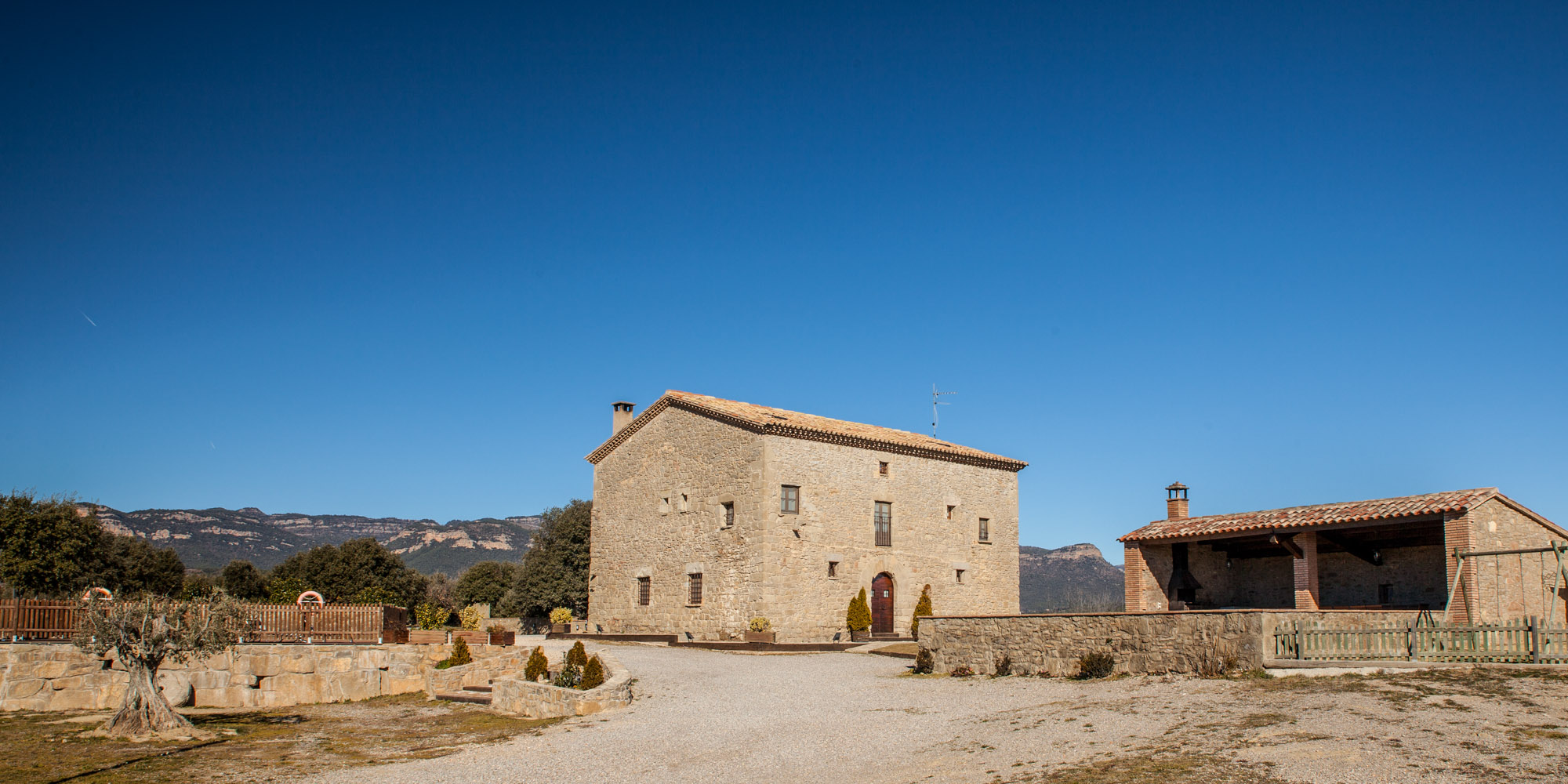
The dispersed masia settlement pattern creates a cultural landscape where individual farmsteads, each with surrounding fields and forest, constitute the basic unit. While most masias remain private residences or working farms, their architectural presence defines Lluçanès' character. The traditional masia design—two or three stories, thick stone walls, barn and living quarters integrated—evolved over centuries to suit the plateau's climate and agricultural economy.
Rural Economy and Traditional Life
Lluçanès' economy remains primarily agricultural, centered on livestock (particularly cattle and pigs) and associated activities. The plateau's elevation and climate favor pasture over intensive cultivation, so fields of fodder crops and grazing land dominate the agricultural landscape. Small-scale farming continues practices that have disappeared in more developed regions, including seasonal transhumance patterns and traditional animal husbandry methods.
Forestry provides supplementary income, with stands of oak, pine, and beech covering less productive slopes. Wild mushroom gathering (particularly rovellons in autumn) constitutes both economic activity and cultural tradition, with locals jealously guarding knowledge of productive spots.
Recent decades have brought challenges common to rural areas throughout developed countries: population aging, young people migration to cities, farm consolidation, and difficulty maintaining traditional economic activities. However, Lluçanès has also seen modest counter-trends: some new residents seeking rural lifestyles, organic farming initiatives, rural tourism development, and renewed interest in traditional products and practices.
The comarca's designation in 2023 responded partly to local desire for administrative recognition and tools to manage development. Residents seek to preserve Lluçanès' rural character while ensuring economic viability—a balancing act that will shape the region's coming decades.
Outdoor Activities and Natural Spaces
Lluçanès offers excellent opportunities for low-key outdoor activities in uncrowded settings. Hiking trails cross the plateau, connecting villages, following river valleys, and climbing to viewpoints on surrounding ridges. The landscape's gentle character makes walking accessible to a wide range of abilities, while the lack of dramatic peaks means fewer crowds than in nearby mountain regions.
Mountain biking has grown in popularity, with quiet rural roads and increasing trail development providing varied routes. The rolling terrain offers enough challenge to interest experienced riders while remaining manageable for families or casual cyclists. Several marked routes guide visitors through representative landscapes and to key heritage sites.
The rivers—Lluçanès, Merlès, and their tributaries—support small-scale recreational fishing and provide attractive corridors for nature walks. While not wilderness areas, the river valleys preserve relatively intact riparian ecosystems that contrast with the cultivated plateau uplands.
Birdwatching attracts enthusiasts to Lluçanès, particularly for species associated with agricultural landscapes and forest edges. The low human population and traditional farming practices support higher biodiversity than more intensively developed regions. Spring and autumn migrations bring additional species through the area.
Winter occasionally brings snow to the plateau, transforming the landscape and offering opportunities for snowshoeing or cross-country skiing when conditions permit. The comarca's elevation means cooler temperatures year-round, making summer visits particularly pleasant compared to lower, hotter regions.
Visiting from La Tor de Montclar
Lluçanès lies 45-60 minutes from La Tor de Montclar depending on your specific destination within the comarca. The most direct route follows the C-16 south toward Berga, then takes the C-154 east through Olvan and into Lluçanès territory. Alternative routes via Osona approach from the east and can be combined with visits to other attractions.
A typical visit might include: exploring Prats de Lluçanès and its historic quarter, visiting one or more Romanesque churches in surrounding villages, driving or hiking through representative landscape, and perhaps stopping at a local restaurant for traditional mountain cuisine. The modest scale means you can see several villages and cover considerable territory in a half-day or full-day excursion.
Lluçanès rewards the unhurried visitor. This is not a destination for ticking off famous monuments or consuming spectacular views; rather, it offers an opportunity to experience an increasingly rare type of rural European landscape where traditional patterns of life persist with modest modifications. Walking quiet village streets, encountering farmers at work, or simply driving the small roads that wind across the plateau provides a different perspective on Catalonia than the usual tourist circuit delivers.
We recommend Lluçanès particularly for visitors who: enjoy exploring off-the-beaten-path destinations, appreciate rural landscapes and traditional architecture, want to escape crowds, or seek authentic experiences of contemporary rural Catalonia. Those preferring dramatic scenery or extensive tourist infrastructure may find other destinations more suitable.
The comarca's proximity to La Tor de Montclar makes it easily accessible even for a short afternoon excursion, while its unhurried character and multiple points of interest reward longer visits. Combining Lluçanès with nearby destinations like Vic or the Guillerías mountains creates a varied day trip showcasing inland Catalonia's diversity.
Practical information
From La Tor de Montclar via C-16 south, then C-154 east; or via Vic and approach from east on C-154. Scenic rural roads, well-maintained
Half-day to full-day trip; flexible depending on interests (village exploration, hiking, church visits)
Spring (April-June) and autumn (September-October) for pleasant temperatures and landscapes; summer escapes heat; winter for potential snow scenes
Approximately 40-50 km to Prats de Lluçanès (45-60 minutes via C-16 and C-154)
Discover Berguedà from La Tor de Montclar
15th-century farmhouse with indoor pool, ideal for groups of up to 20 guests
Check availabilityRelated articles
Osona: The Vic Plain, Renowned Cured Meats, and Romanesque Masterpieces
Read more →
Plana de Vic: Medieval Heritage and Sausage-Making Traditions
Read more →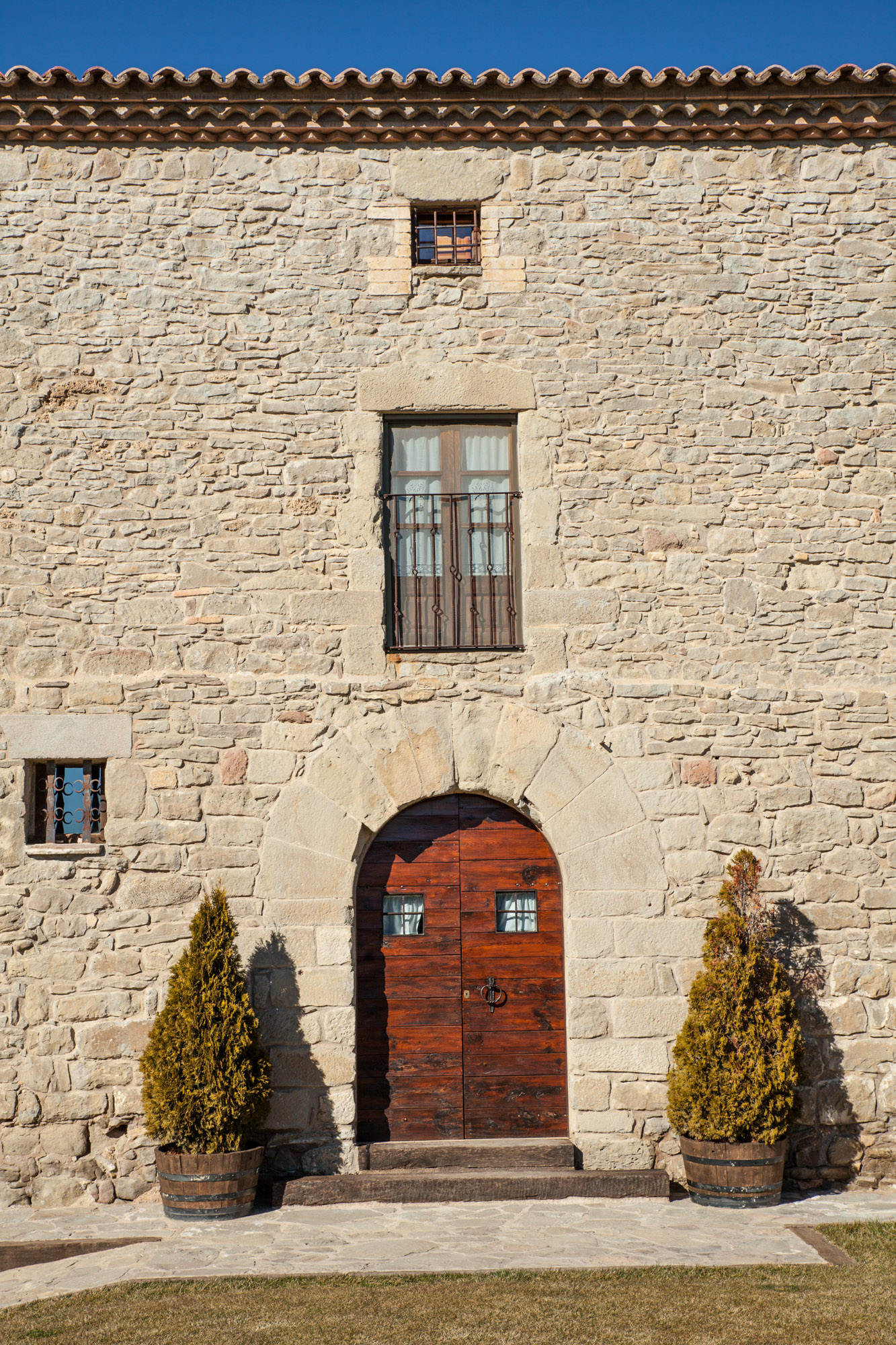
Moianès: Caves, Wine Country, and Hidden Heritage
Read more →
El Bages: Montserrat Mountain, Wine Country, and Central Catalan Heritage
Read more →