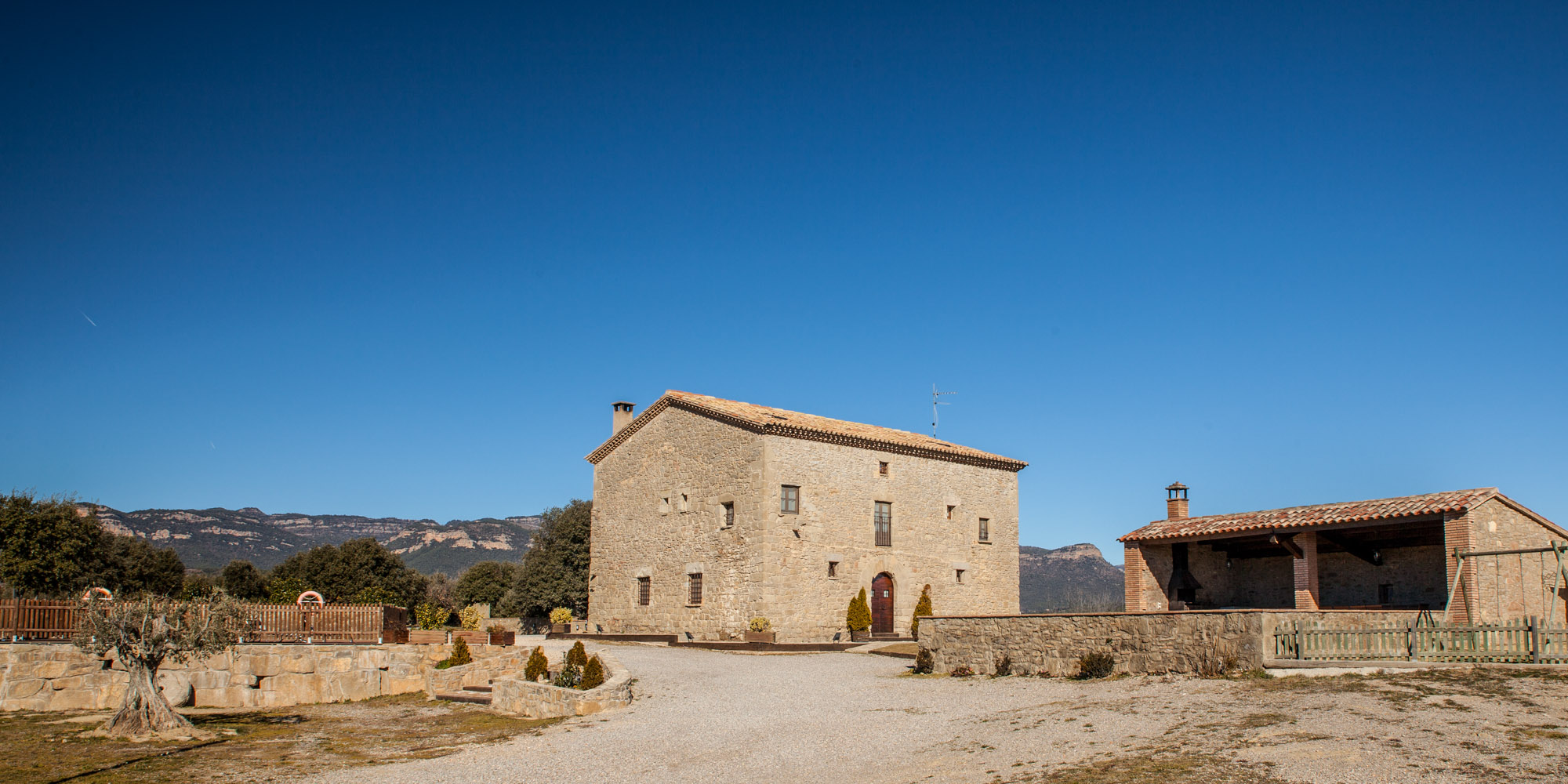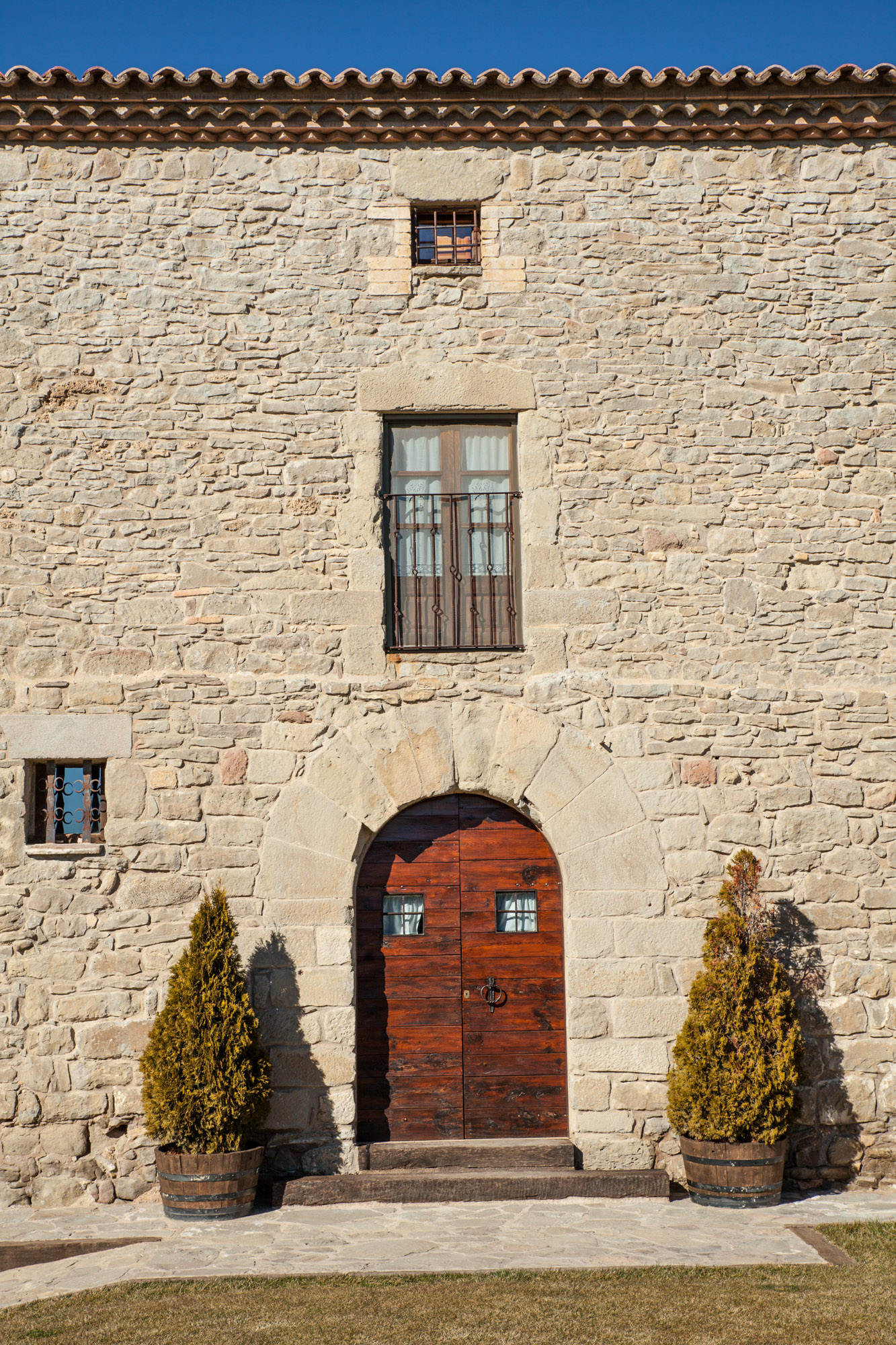
Moianès, established as an independent comarca only in 2015, occupies a transitional landscape between the Bages plain, Osona's agricultural lands, and the Pre-Pyrenean foothills. Centered on the historic town of Moià, this small comarca of just six municipalities preserves a fascinating blend of prehistoric heritage (particularly the remarkable cave systems with evidence of Neanderthal occupation), medieval history, and emerging wine production that's beginning to draw attention from enthusiasts. About 45 minutes to an hour from La Tor de Montclar, Moianès offers visitors an authentic slice of Central Catalonia that combines natural wonders, cultural heritage, and rural traditions without the crowds that characterize more famous destinations.
Geography and Landscape Character
Moianès occupies approximately 337 square kilometers of rolling terrain at elevations between 600 and 900 meters, positioned between larger neighboring comarcas. The Moianès River and several tributaries drain the region, carving valleys into the predominantly limestone geology that characterizes the area. This karst landscape creates the cave systems that constitute one of the comarca's most distinctive features.
The landscape presents a mosaic of agricultural land, pine and oak forests, and increasingly, vineyards that take advantage of the terrain and climate. Neither dramatically mountainous nor uniformly flat, Moianès' moderate topography creates an accessible countryside ideal for rural tourism, hiking, and cycling. Small ridges and valleys provide visual interest without requiring technical climbing skills or extreme fitness.
The comarca's boundaries, formalized only recently when Moianès separated from Bages, reflect historical, cultural, and geographical factors that unite the constituent municipalities. Residents share dialect features, economic patterns, and historical connections that distinguish them from neighboring regions despite the small size. This local identity, codified through the comarca designation, reflects how even in the 21st century, Catalan regionalism operates at multiple scales.
Moià: History and Heritage
The town of Moià (population approximately 6,000) serves as the comarca capital and principal urban center. Historical evidence suggests settlement dating to prehistoric times, with documented Roman and medieval occupation. The medieval town preserves significant architectural heritage, including sections of the town walls, the Gothic church of Santa Maria, and historic houses in the old quarter.
The Museu Municipal de Moià provides an excellent introduction to local history, archaeology, and traditional culture. Particular strengths include prehistoric materials from the nearby caves and ethnographic collections documenting rural life in the comarca over recent centuries. The museum occupies a historic building and offers context that enriches visits to other sites in the region.
Moià's urban fabric reflects its development from a fortified medieval settlement to a modest commercial and administrative center. Unlike tourist-oriented towns where historical character sometimes feels preserved primarily for visitors, Moià functions as a living community where historic buildings house contemporary activities and locals outnumber tourists even during summer months.
The town offers practical services—restaurants, shops, accommodations—making it a convenient base for exploring the comarca, though most visitors approach Moianès as a day trip from larger cities or from rural houses like La Tor de Montclar in neighboring Berguedà.
The Prehistoric Caves: Coves del Toll and Coves del Toll de les Llebres
Moianès' most remarkable natural and cultural heritage appears in the karst cave systems near Moià, particularly the Coves del Toll (Toll Caves) and associated sites. These limestone caverns gained international scientific importance through discoveries of Neanderthal remains and artifacts, along with fauna from the Pleistocene period, providing crucial evidence for understanding human prehistory in Iberia.
The Coves del Toll served as seasonal occupation sites for Neanderthals approximately 50,000-80,000 years ago, evidenced by stone tools, hearth remains, and animal bones showing butchery marks. The cave's stratigraphic layers preserve a record of climate changes and species presence (including cave bear, hyena, lion, and various herbivores) that helps reconstruct the environment encountered by prehistoric humans.
Today, the caves can be visited through guided tours (booking recommended, especially on weekends and holidays) that combine speleological interest—the dramatic underground formations of stalactites, stalagmites, and flowstone—with archaeological interpretation. Knowledgeable guides explain the excavation findings, prehistoric human behavior, and the geological processes that created these remarkable spaces.
The visitor experience includes an interpretation center with replicas of key artifacts, explanatory materials about Neanderthal culture, and contextual information about cave formation. For visitors interested in prehistory or geology, the Coves del Toll represent one of Catalonia's most accessible and well-interpreted cave sites, comparable to more famous European prehistoric caves but without overwhelming crowds.
The caves maintain a constant cool temperature year-round (around 12°C), so bringing a light jacket is advisable even in summer. The walking surfaces inside are well-maintained but can be slippery, so appropriate footwear is important.
Emerging Wine Region
Moianès has developed a growing wine industry over recent decades, capitalizing on suitable soils, elevation, and climate for quality viticulture. While not as famous as Penedès or other established Catalan wine regions, Moianès benefits from this relative obscurity: lower land prices allowed investment in quality over quantity, and winemakers focus on crafting distinctive wines rather than competing in commodity markets.
The comarca produces wines under the DO Pla de Bages designation (shared with parts of Bages comarca), though Moianès winemakers have developed a distinctive identity within this appellation. Both traditional Catalan varieties (Picapoll, Sumoll, Mandó) and international grapes (Cabernet Sauvignon, Merlot, Chardonnay) appear in local production, with increasing emphasis on recovering traditional varieties and organic/biodynamic practices.
Several wineries offer cellar door tastings and tours, providing opportunities to sample wines, learn about local viticulture, and enjoy the vineyard landscapes. The scale remains intimate—you'll often meet the actual winemaker rather than a hired guide, and tastings feel personal and educational rather than industrialized.
The wine culture complements Moianès' other attractions, making it possible to combine a morning at the prehistoric caves with an afternoon winery visit, adding gastronomic interest to historical and natural exploration. Local restaurants increasingly feature Moianès wines, and the annual wine festivals celebrate the growing regional identity around viticulture.
Additional Villages and Points of Interest
Beyond Moià and the caves, the comarca offers several villages and sites worth exploring. Calders, Castellterçol, Collsuspina, L'Estany, and Sant Quirze Safaja complete the comarca's six municipalities, each preserving historic cores, Romanesque or Gothic churches, and rural character.
L'Estany deserves particular mention for its magnificent monastery complex—a Romanesque church and cloister that rank among Catalonia's most important medieval monuments. The cloister's carved capitals depict biblical scenes and decorative motifs with exceptional artistry. The monastery, though technically in Bages comarca before the Moianès separation, maintains close ties to the region and sits just minutes from Moià.
Numerous Romanesque churches dot the countryside, often in isolated positions that reward visitors with scenic settings alongside architectural interest. Many churches remain locked except for services, but exploring the exteriors and surrounding landscapes provides enjoyable goals for drives or bike rides through the comarca.
The Can Tapioles Forest Park near Moià offers marked hiking and biking trails through representative forest landscape, with picnic areas and interpretive signage about local flora and fauna. The park provides an accessible introduction to Moianès' natural environments for families or those seeking easier outdoor activities than mountain hiking.
Visiting from La Tor de Montclar
Moianès lies approximately 45-60 minutes from La Tor de Montclar depending on your destination within the comarca. The most direct route takes the C-16 south toward Berga and continues toward Manresa, exiting for Moià on the C-59. The drive descends from Berguedà's mountains into gentler terrain, providing scenic variety along the route.
A recommended full-day itinerary might include: morning visit to the Coves del Toll (book the first tour slot if possible to avoid potential crowds), exploration of Moià town and perhaps the municipal museum, lunch at a local restaurant, afternoon winery visit or exploration of surrounding villages and countryside. This combination showcases the comarca's diversity—natural, prehistoric, historical, and contemporary elements.
Alternatively, Moianès combines well with visits to nearby attractions in Bages (Montserrat, Manresa, the Central Catalonia wine route) or Osona (Vic), as the comarca sits between these regions. A circuit touching parts of all three comarcas illustrates Central Catalonia's variety within a single day.
The Coves del Toll require advance booking, particularly on weekends and during holiday periods. Check the official website or call ahead to reserve your preferred time slot. Tours run in Catalan and Spanish; English tours may be available by advance arrangement for groups, but individual English-speaking visitors should be prepared for limited English interpretation (though the visual interest of the caves transcends language barriers).
Moianès rewards visitors seeking authentic experiences away from major tourist circuits. You won't find international crowds or extensive tourist infrastructure, but you will encounter genuine local culture, significant prehistoric and historical heritage, emerging wine traditions, and the pleasant countryside that characterizes inland Catalonia at its most approachable. For guests at La Tor de Montclar wanting to diversify their exploration beyond Berguedà's mountain focus, Moianès offers a accessible and rewarding alternative.
Practical information
From La Tor de Montclar via C-16 south toward Manresa, exit onto C-59 to Moià. Well-maintained roads. Book cave visits in advance online or by phone
Full day recommended to visit caves, explore Moià, and visit a winery; half-day possible for focused visits
Year-round; caves maintain constant temperature; spring and autumn ideal for vineyard landscapes; summer can be warm but less so than coastal areas
Approximately 50 km to Moià (45-60 minutes via C-16 and C-59)
Discover Berguedà from La Tor de Montclar
15th-century farmhouse with indoor pool, ideal for groups of up to 20 guests
Check availabilityRelated articles
El Bages: Montserrat Mountain, Wine Country, and Central Catalan Heritage
Read more →
Osona: The Vic Plain, Renowned Cured Meats, and Romanesque Masterpieces
Read more →
Plana de Vic: Medieval Heritage and Sausage-Making Traditions
Read more →
Lluçanès: Catalonia's Remote Highland Plateau
Read more →