Sant Llorenç de Morunys is a fortified medieval town in the Solsonès comarca, nestled beneath the towering cliffs of the Port del Comte range. Its 10th-century monastery and remarkably well-preserved defensive walls make it one of inland Catalonia's most atmospheric heritage sites.
The Monastery: Foundation and Architecture
The Monastery of Sant Llorenç was founded in the late 10th century as an Augustinian religious community. The church, consecrated in 1027 CE, is a prime example of early Catalan Romanesque architecture. Its design features a single nave with barrel vaulting, creating a solemn, acoustically resonant interior lit by narrow windows.
The semicircular apse is adorned with Lombard arcading—the decorative blind arches characteristic of 11th-century Romanesque churches in Catalonia and northern Italy. This architectural motif, both functional (it reinforces the wall) and aesthetic, appears across hundreds of churches in the Pyrenean regions.
Inside, the most treasured object is a polychrome Romanesque wooden sculpture of the Virgin Mary, dating to the 12th century. This type of statue, known as a "Throne of Wisdom" (sedes sapientiae), depicts Mary as the throne upon which Christ sits, emphasising her role in Christian theology. The original vivid colours—gold, red and blue—have largely survived, offering a glimpse of how medieval churches once blazed with colour.
The Cloister and Monastic Life
The monastery's cloister, partially reconstructed in the 20th century, retains its serene, contemplative atmosphere. Romanesque cloisters were the heart of monastic life: covered walkways surrounding a central garden where monks walked, meditated and read. Sant Llorenç's cloister features carved capitals depicting biblical scenes, foliage motifs and mythical creatures—a mixture of the sacred and the whimsical typical of Romanesque art.
Augustinian canons, unlike contemplative monks, were active in the world, serving parishes, teaching and caring for the sick. The monastery at Sant Llorenç administered a network of rural churches and exerted considerable spiritual and economic influence over the surrounding valleys.
The Medieval Walls and Town
Sant Llorenç de Morunys preserves substantial sections of its medieval defensive walls, among the most intact in the Catalan interior. These walls, built in the 13th and 14th centuries, encircle the old town, punctuated by towers and gateways. Walking the perimeter offers excellent views of the town's layout and the dramatic limestone escarpments of the Port del Comte rising behind.
Within the walls, the town retains its medieval street plan: narrow lanes, stone houses with slate roofs, and the Plaça Major (main square) with its arcaded porticoes. This square, the commercial and social heart of the town, hosts a weekly market, continuing a tradition centuries old. The pace of life here is unhurried, and the town's population of around 1,000 ensures a village-like intimacy.
Natural Setting and Surroundings
Sant Llorenç de Morunys sits at the foot of the Serra del Port del Comte, a mountain range popular with hikers, climbers and, in winter, skiers. The Port del Comte ski resort is just a short drive uphill. In summer, the high pastures bloom with wildflowers, and marked trails lead to viewpoints overlooking the Solsonès valleys.
The area is also known for its geological features: the limestone cliffs and caves that characterise the landscape. The nearby Fonts del Llobregat (Sources of the Llobregat) at Castellar de n'Hug mark the origin of one of Catalonia's major rivers, a site of natural and cultural significance.
Visiting Sant Llorenç de Morunys
From La Tor de Montclar, Sant Llorenç de Morunys is approximately 40 km via the C-26 highway, a scenic 40-minute drive through mountain landscapes. The monastery and church can be visited freely during daylight hours, though access to certain areas may require joining a guided tour (check with the tourist office in the Plaça Major).
The town has several restaurants serving traditional Catalan mountain cuisine—think roast meats, hearty stews and local cheeses. Accommodation ranges from rural guesthouses to small hotels. Combine your visit with outdoor activities in the Port del Comte area or a detour to the Romanesque churches of the Solsonès, a comarca rich in medieval heritage.
Practical information
Free (church and town); check for cloister access
2-3 hours (town and monastery)
Easy (flat walking within town)
Year-round; particularly beautiful in spring and autumn
40 km (40 minutes)
Discover Berguedà from La Tor de Montclar
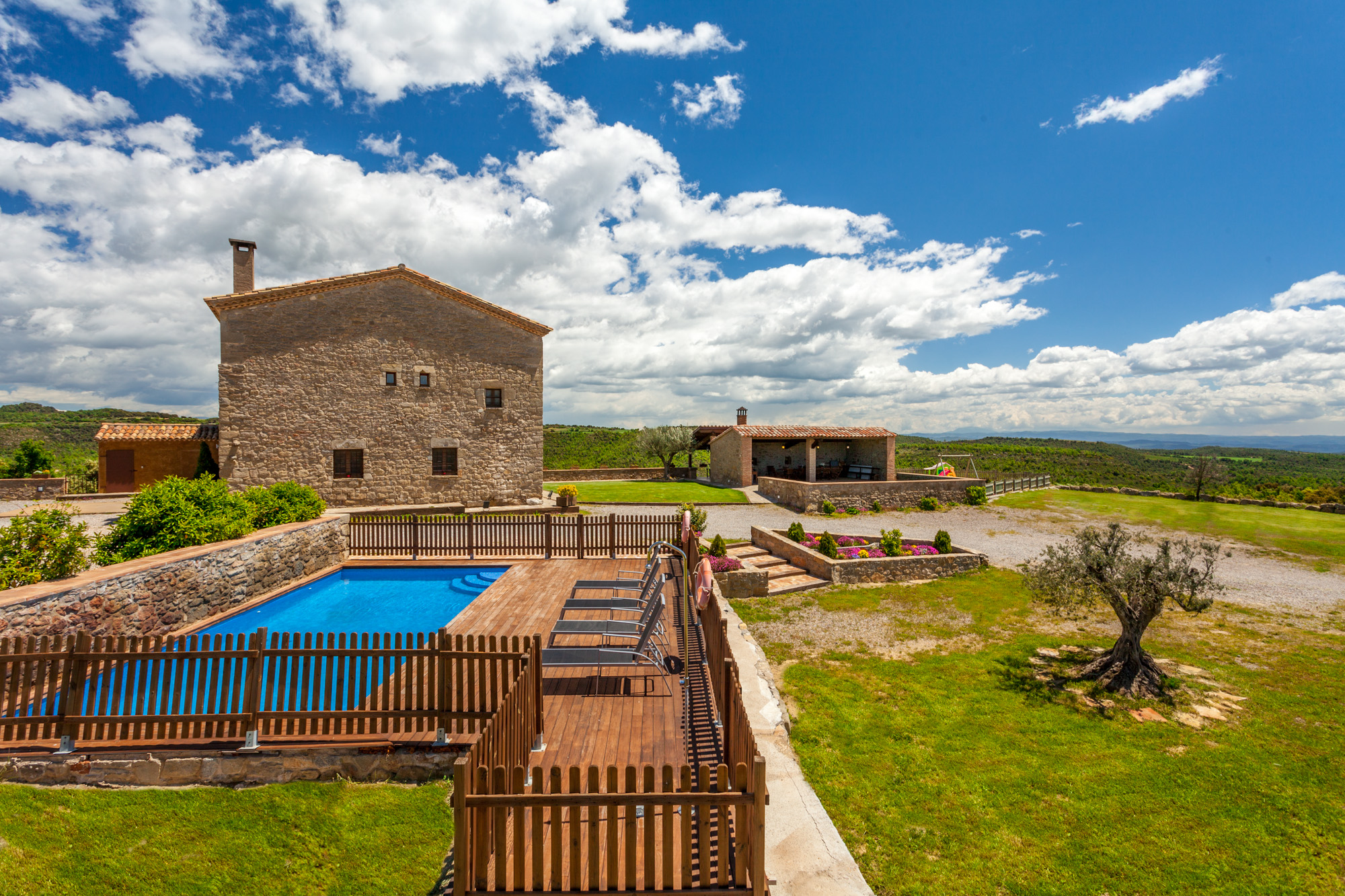
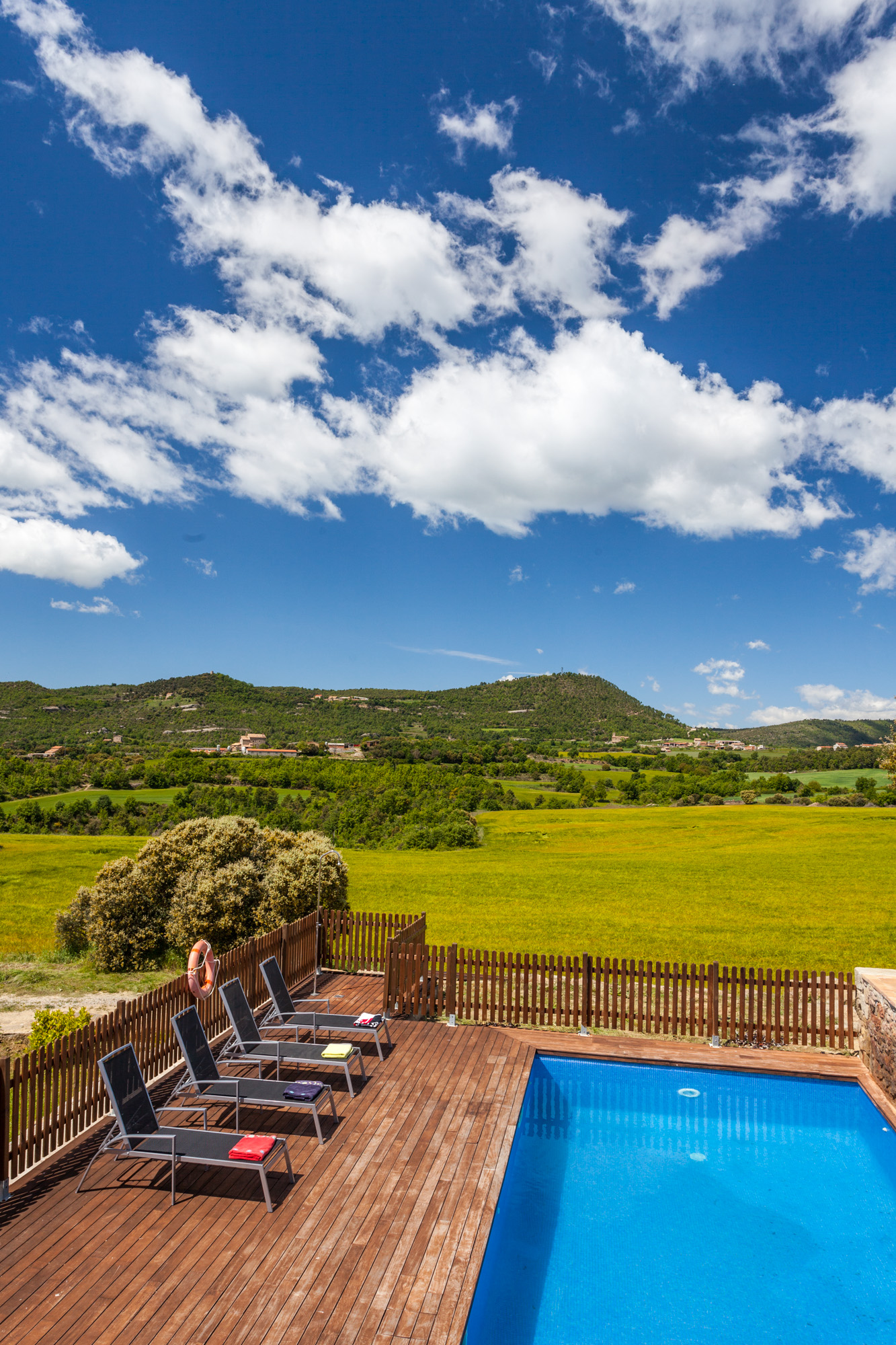
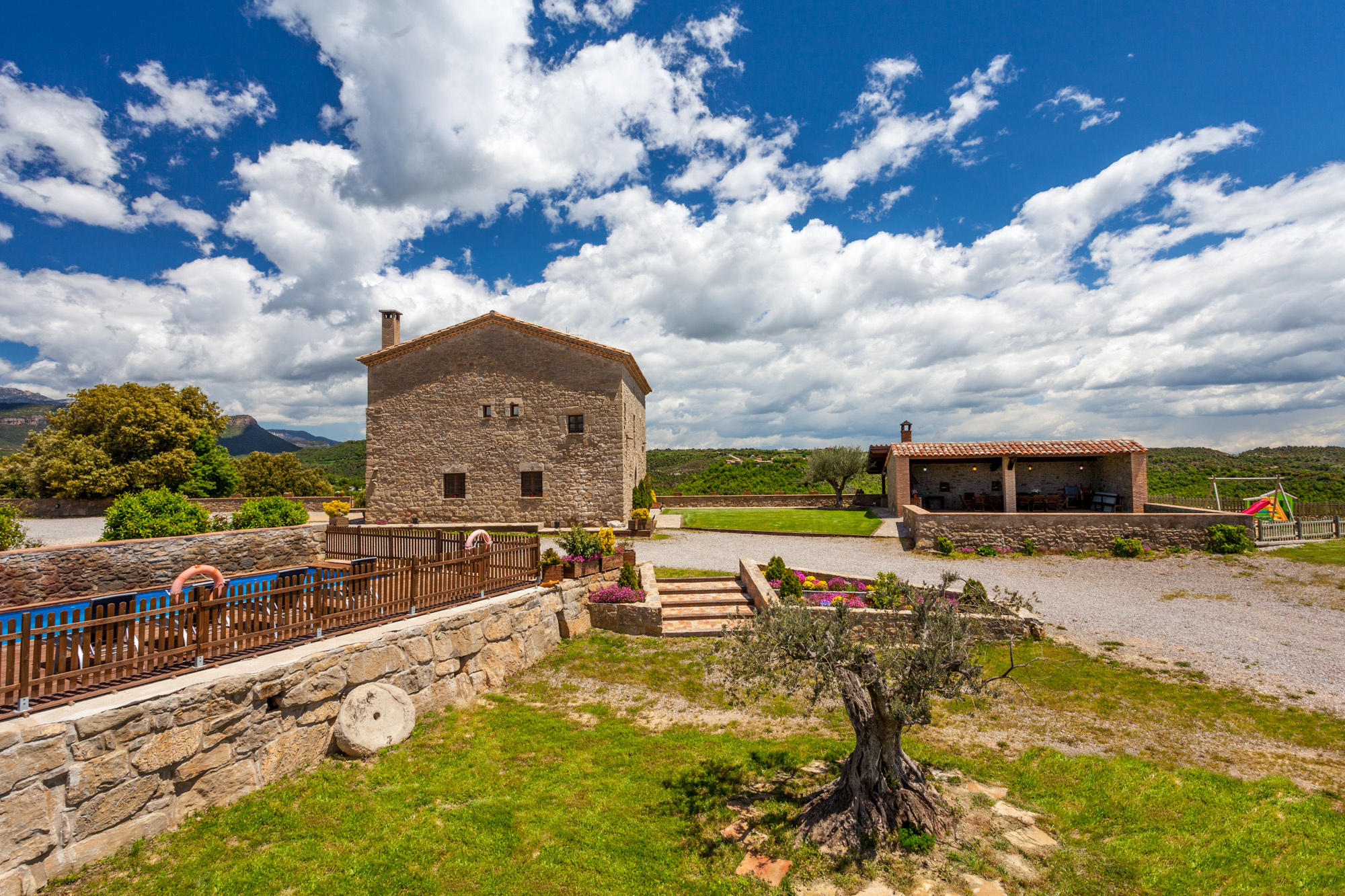
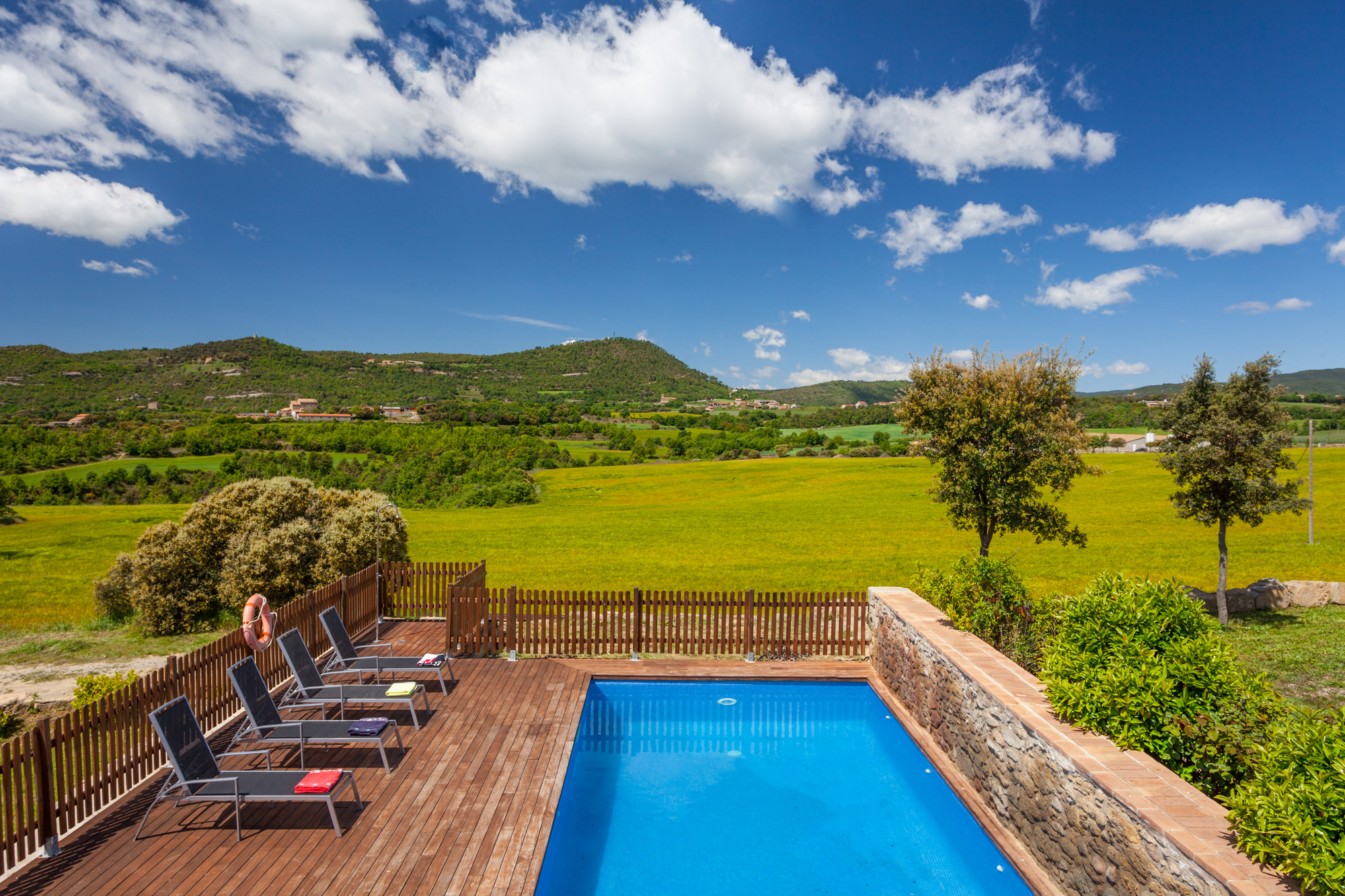
15th-century farmhouse with indoor pool, ideal for groups of up to 20 guests
Check availability