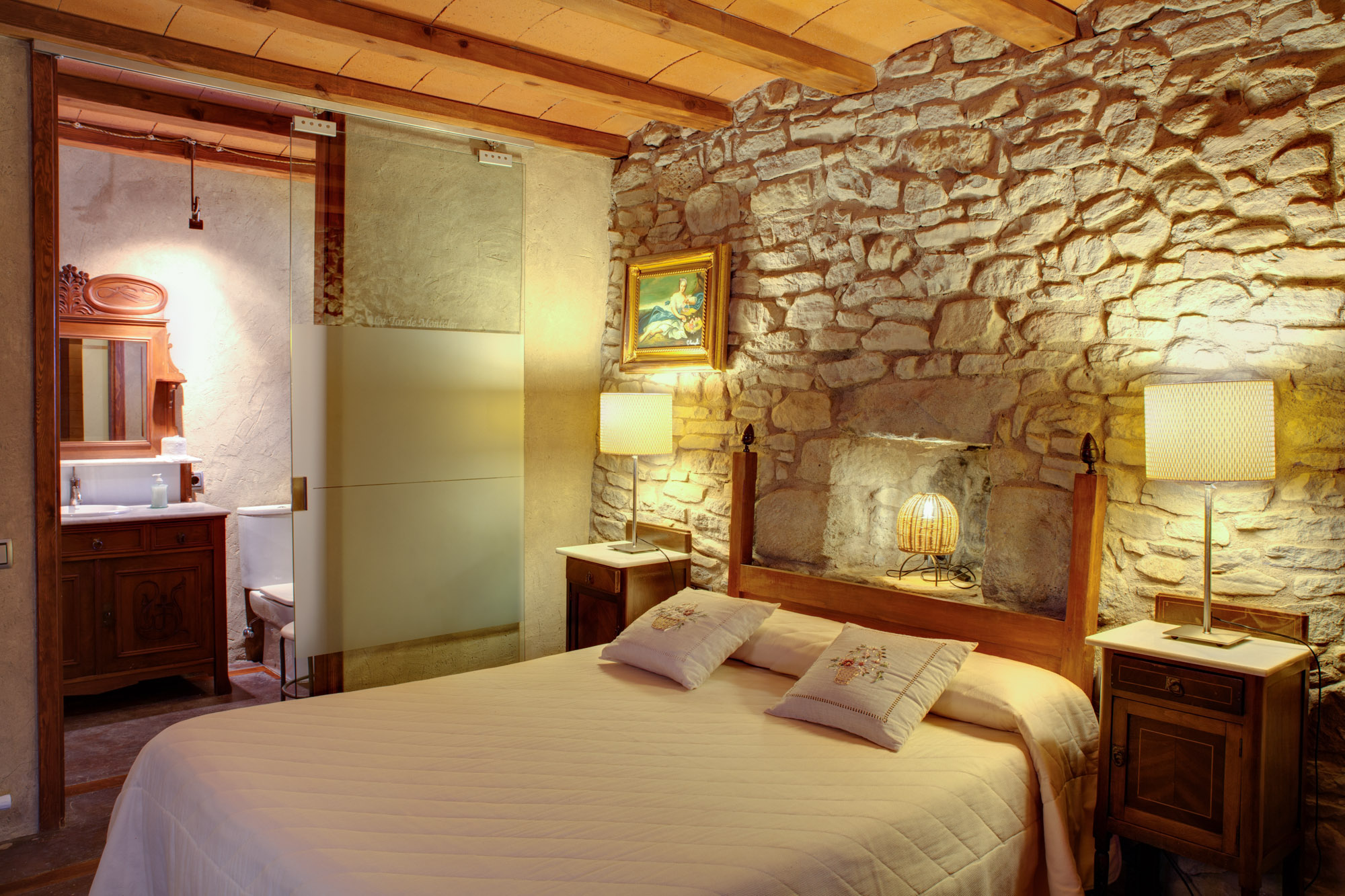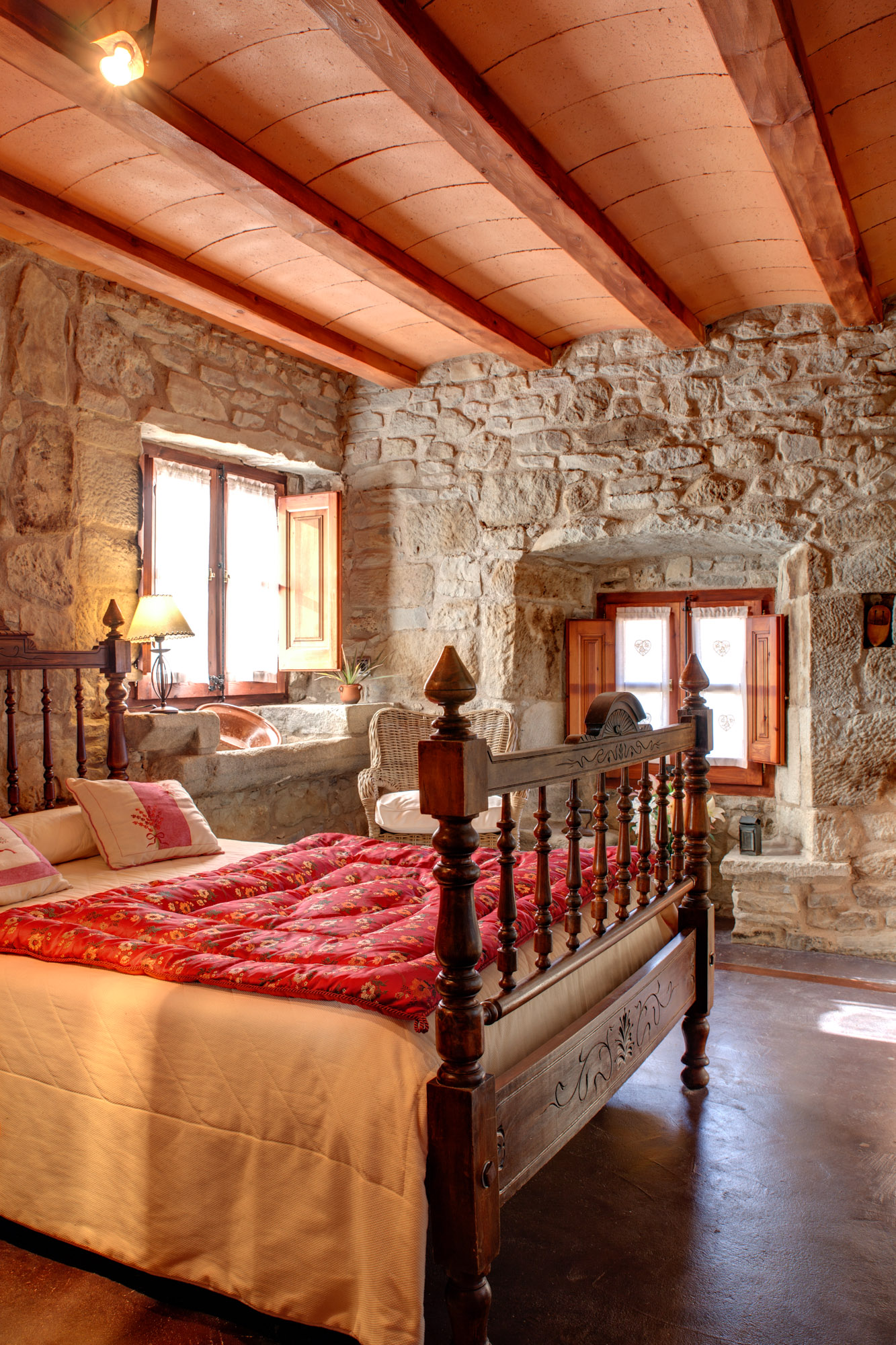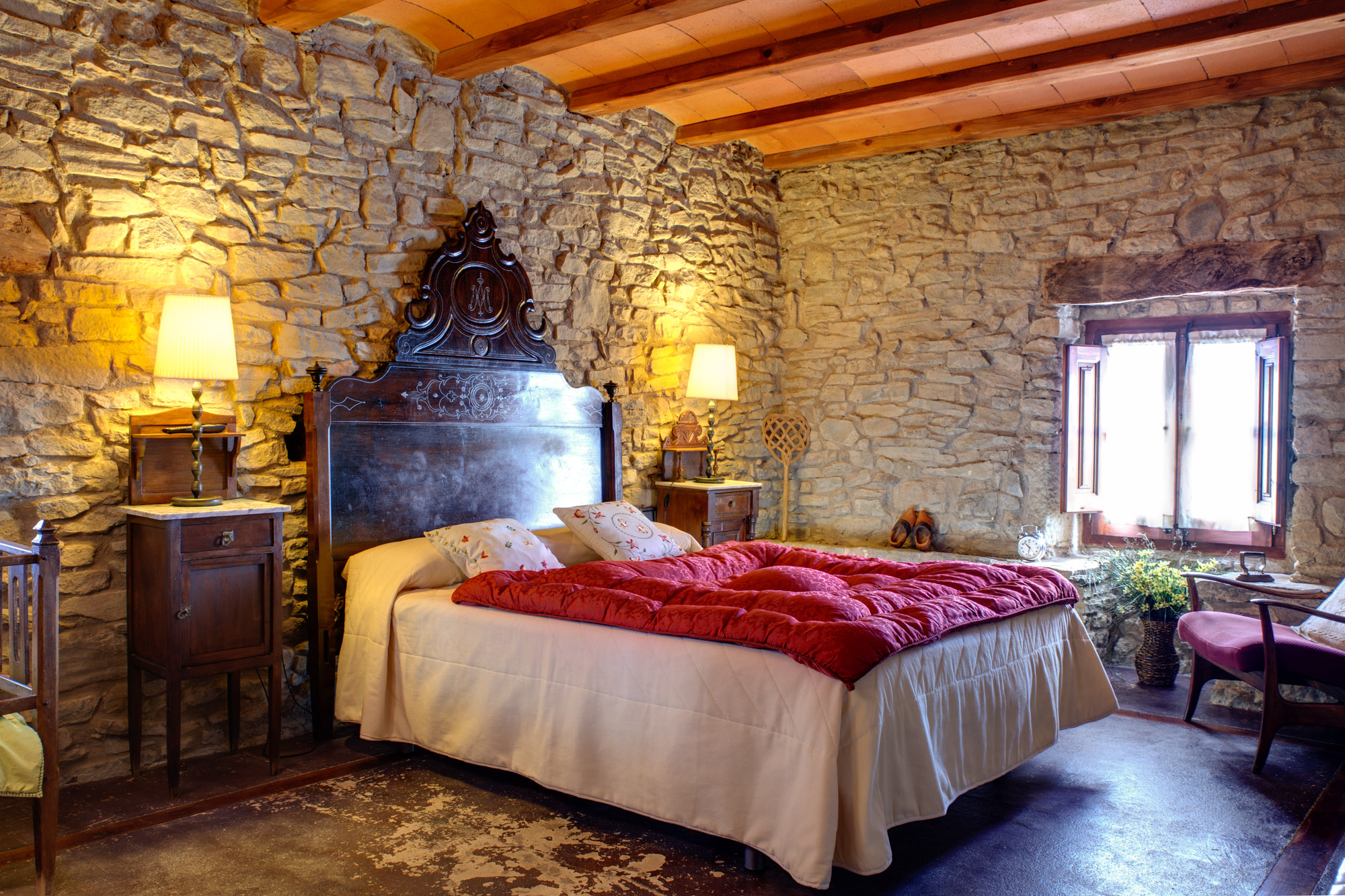
Gósol is a small mountain village nestled between the majestic Pedraforca and the Cadí range at 1,423 metres above sea level. With just over 200 inhabitants, this remote hamlet is known worldwide because Pablo Picasso spent the summer of 1906 here with his companion Fernande Olivier - a creative period that fundamentally transformed his art and marked the crucial transition from his Rose Period towards the geometric forms that would culminate in Cubism. From La Tor de Montclar, it is approximately 35 minutes by car along a spectacular scenic mountain road that winds through forests and opens onto breathtaking vistas.
Picasso in Gósol: the summer that changed art history
In the summer of 1906, Pablo Picasso arrived in Gósol with Fernande Olivier, escaping the summer heat of Paris and seeking fresh inspiration. During those transformative weeks, the rugged landscape of the Pedraforca and the clear Mediterranean light of the high mountains profoundly altered his vision. The works created in Gósol mark the transition from the Rose Period toward the geometric simplification and earth tones that would lead directly to Les Demoiselles d'Avignon and the birth of Cubism.
The small Picasso Museum of Gósol, housed in Cal Tampesta, exhibits reproductions of works from the Gósol period alongside photographs and documentation that explain the creative context of that transcendental summer. Visitors can walk the same mountain paths Picasso explored and see the landscape that inspired his revolutionary vision.
The village and its mountain setting
Gósol opens onto a broad valley dominated by the north face of the Pedraforca, a view Picasso immortalised in several paintings and drawings. The village retains its traditional character with stone houses featuring slate roofs, narrow streets winding between buildings, and the Romanesque parish church of Santa Maria standing as witness to centuries of mountain life.
The surrounding natural environment is exceptional: alpine meadows carpeted with wildflowers in summer, forests of black pine ascending the slopes, and crystal-clear springs emerging from limestone. Hiking routes include paths to the Pedraforca from the northern approach, the trail to the Cova de l'Ós (Bear's Cave), and the route to Coll de Jou mountain pass.
Authentic mountain life and traditions
Gósol maintains an authentic mountain way of life that has changed surprisingly little over the past century. Livestock farming and forestry remain important economic activities. In summer the high meadows fill with cattle and horses grazing freely. The village festa major (summer festival) revives Pyrenean traditions with folk dances, competitions and communal celebrations.
The local cuisine exemplifies pure mountain gastronomy: trinxat with crispy pork belly, grilled meats from local flocks, artisan cheeses made in nearby shepherds' huts, and seasonal wild mushrooms prepared in traditional recipes. The wood-oven bread of Gósol, baked according to centuries-old methods, is renowned throughout the region and worth seeking out.
Practical information
Spring to autumn (winter access can be difficult)
35 minutes by car
1,423 m
Discover Berguedà from La Tor de Montclar
15th-century farmhouse with indoor pool, ideal for groups of up to 20 guests
Check availability