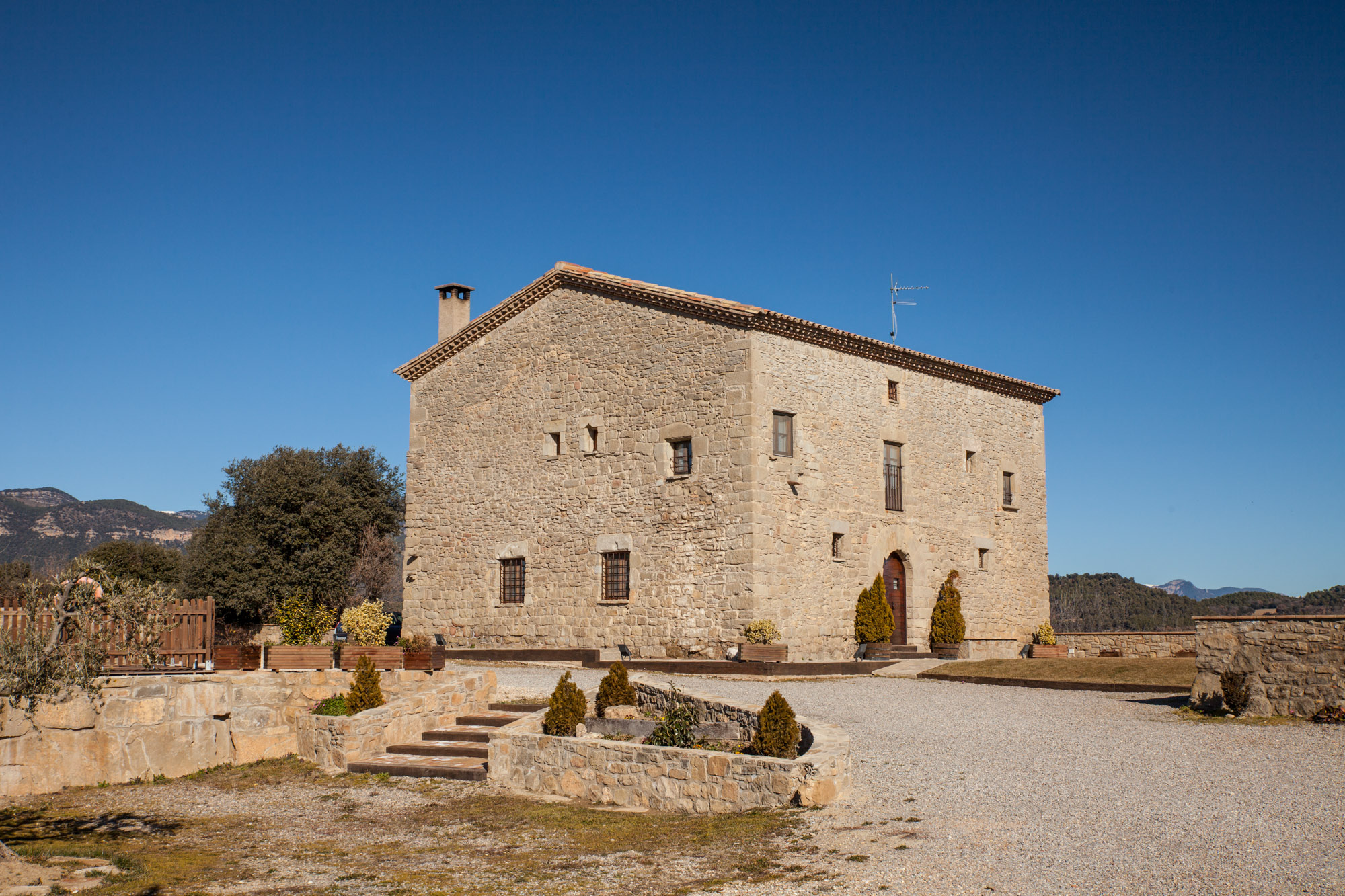
The Berguedà enjoys a sub-Mediterranean mountain climate characterised by warm summers, cold winters and notable temperature variations between valley floors and high peaks. Understanding the region's weather patterns, seasonal characteristics and reliable forecast sources helps visitors pack appropriately, plan activities safely and make the most of their stay at La Tor de Montclar and the surrounding Pre-Pyrenean mountains.
Climate Overview and Altitude Effects
The Berguedà's climate is heavily influenced by its Pre-Pyrenean location and varied topography. Altitudes range from around 600 m in the lower valleys to over 2,500 m on peaks like the Pedraforca, creating distinct microclimates within short distances.
As a general rule, temperatures drop approximately 6 degrees Celsius per 1,000 m of altitude gained. This means that on a summer day when Berga (720 m) reaches 30°C, the summit of the Pedraforca (2,506 m) may only be 18°C. Wind chill at altitude makes it feel even cooler.
The region receives 700-900 mm of precipitation annually, with higher amounts in the northern valleys near the Cadí range and lower totals in the southern lowlands around Berga. Rainfall is highest in spring (April-May) and autumn (September-October), with a drier period in July and August, though afternoon thunderstorms are common in summer.
Spring Weather: March to May
Spring brings awakening nature and increasingly pleasant temperatures. March is still cool with average daytime highs of 12-15°C in the valleys and occasional snowfall above 1,500 m. By May, temperatures reach 18-22°C at lower altitudes, though mornings and evenings remain cool.
Rainfall is frequent in April and May, with the Pre-Pyrenees receiving some of the year's heaviest precipitation. This feeds the spectacular wildflower displays that carpet meadows around Montclar and the Gresolet valley from late April onwards.
Pack layers: lightweight waterproof jacket, fleece or insulating layer, long-sleeved shirts, long trousers and a hat. Hiking boots should be waterproof. Conditions can change rapidly, so carrying extra clothing is wise. At higher altitudes, snow persists into May and sometimes early June, requiring winter equipment for summit ascents.
Summer Weather: June to August
Summer brings the warmest and most stable weather. Daytime temperatures in the valleys typically reach 28-32°C, occasionally higher during heatwaves. Mountain areas remain pleasantly cooler at 20-25°C. Nights are comfortable at 15-18°C in the valleys, cooler at altitude.
July is the driest month, but afternoon thunderstorms develop frequently from June to August, especially over high ground. These storms can be intense but usually pass within 1-2 hours. Lightning is a serious hazard on exposed ridges, so plan to start hikes early and descend from summits by early afternoon.
Pack: lightweight, breathable clothing, sun hat, sunglasses, high-SPF sunscreen (UV intensity increases with altitude), and always a lightweight waterproof jacket for sudden storms. Carry at least 2 litres of water per person for mountain hikes. Long sleeves and trousers protect against sun and insects. Evening temperatures can drop sharply, so bring a warm layer for dining outdoors.
Autumn Weather: September to November
Autumn is many visitors' favourite season in the Berguedà. September is still warm (22-26°C), offering excellent hiking conditions without summer crowds. October sees temperatures drop to 15-20°C with spectacular foliage as beech and oak forests turn golden and rust-red.
By November, winter approaches with daytime highs of 8-12°C in the valleys and the first significant snowfalls above 1,500 m. Rainfall increases in September and October, the second wettest period after spring. Fog can occur in valley bottoms on cool mornings, creating atmospheric conditions but limiting visibility.
Pack: warm layers including fleece or down jacket, waterproof jacket and trousers, warm hat and gloves for higher altitudes and late autumn. Hiking boots should be waterproof. October is prime mushroom-foraging season, so bring containers and a guidebook if you plan to search for wild mushrooms.
Winter Weather: December to February
Winters are cold but often sunny in the Berguedà. Valley temperatures range from 2-10°C during the day, with frequent frosts at night (often -2 to -5°C). Snow is regular above 1,200 m, transforming the landscape and enabling skiing at nearby resorts like Molina-Masella and La Masella.
Lower valleys including Berga and Guardiola de Berguedà see occasional snowfall, usually 5-10 cm that melts within days. Higher areas accumulate substantial snow, with depths of 50 cm to over 1 m on north-facing slopes. The Tramuntana wind (cold northerly) brings particularly frigid conditions but usually clear skies.
Pack: winter coat, thermal base layers, fleece or down mid-layer, waterproof outer shell, winter hat, gloves, scarf and warm socks. Snow and ice make pathways slippery; bring appropriate footwear or traction devices. If planning mountain activities, crampons and winter equipment are essential. The farmhouse fireplace and heating make evenings cosy.
Microclimates and Local Variations
The Berguedà's complex topography creates notable local variations. The southern lowlands around Berga are warmer and drier with a more Mediterranean character. The northern valleys near the Cadí range and Cerdanya border are cooler and wetter with a more Alpine climate.
Valley winds develop on sunny days as air warms and rises along mountain slopes, typically bringing light breezes in the afternoon. At night, cooler air drains into valleys, creating calm but chilly conditions. This temperature inversion can mean valley-bottom frost while slopes remain warmer.
Shaded valleys and north-facing slopes receive limited winter sun and retain snow and cold conditions longer than sunny south-facing slopes. The Gresolet valley, for instance, can be several degrees cooler than surrounding areas due to its orientation and dense forest cover.
Reliable Weather Forecast Sources
Meteocat (www.meteo.cat) is the official Catalan meteorological service and provides the most accurate forecasts for the Berguedà. The website and app offer hourly forecasts, radar imagery, lightning detection, mountain forecasts and warning alerts for severe weather. All information is available in Catalan, Spanish and increasingly in English.
AEMET (www.aemet.es) is the Spanish national meteorological agency, providing comprehensive nationwide forecasts. The app is user-friendly and includes detailed mountain forecasts, though Meteocat is generally more accurate for Catalonia.
Mountain-Forecast.com offers specialist forecasts for specific peaks including the Pedraforca, with data for different altitude bands (base, mid-slope, summit). This is invaluable for planning high-altitude hikes. Meteoblue (www.meteoblue.com) provides similar detailed mountain forecasts with rainfall predictions and cloud cover.
Windy.com is excellent for visualising weather patterns, wind speeds and precipitation. The interactive maps help you understand how weather systems are moving and developing. The Bergfex app focuses on Alpine conditions and is useful for winter sports planning at nearby ski resorts.
Always check forecasts the evening before and again on the morning of any mountain activity. Weather can change rapidly, and forecasts improve in accuracy as the timeframe shortens.
Practical information
Weather planning essential for all visit durations
Understanding weather is fundamental for all activity levels
Year-round destination with varied seasonal characteristics
Discover Berguedà from La Tor de Montclar
15th-century farmhouse with indoor pool, ideal for groups of up to 20 guests
Check availabilityRelated articles
Best Time to Visit Berguedà: Complete Seasonal Guide for International Travelers
Read more →
Essential Mountain Packing List for Berguedà: Complete Gear Guide for International Hikers
Read more →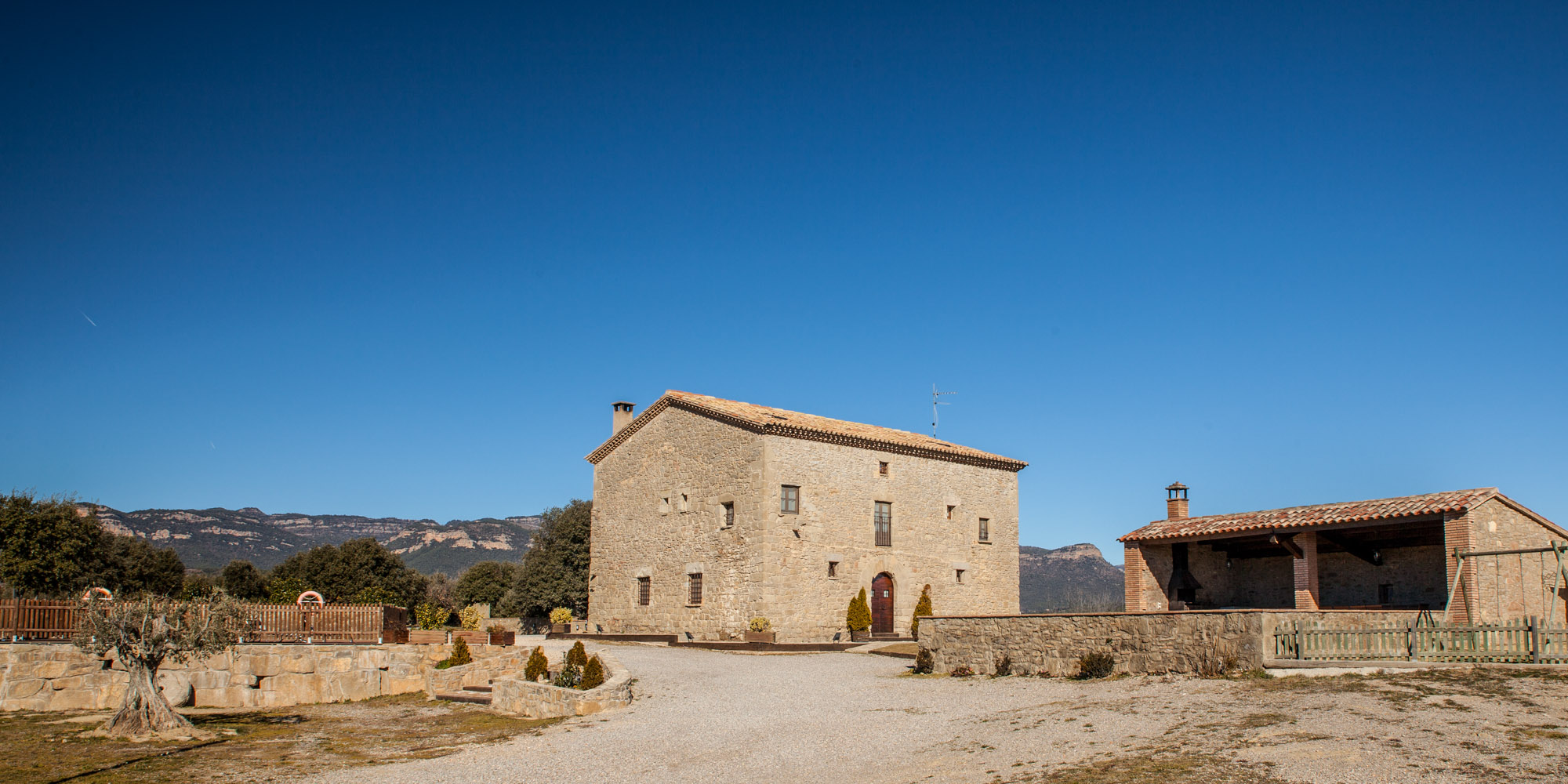
Mountain Safety in the Berguedà: Precautions, Risks and Emergency Contacts
Read more →
Best Hiking Apps for the Berguedà: Wikiloc, Offline Maps and GPS Tools
Read more →