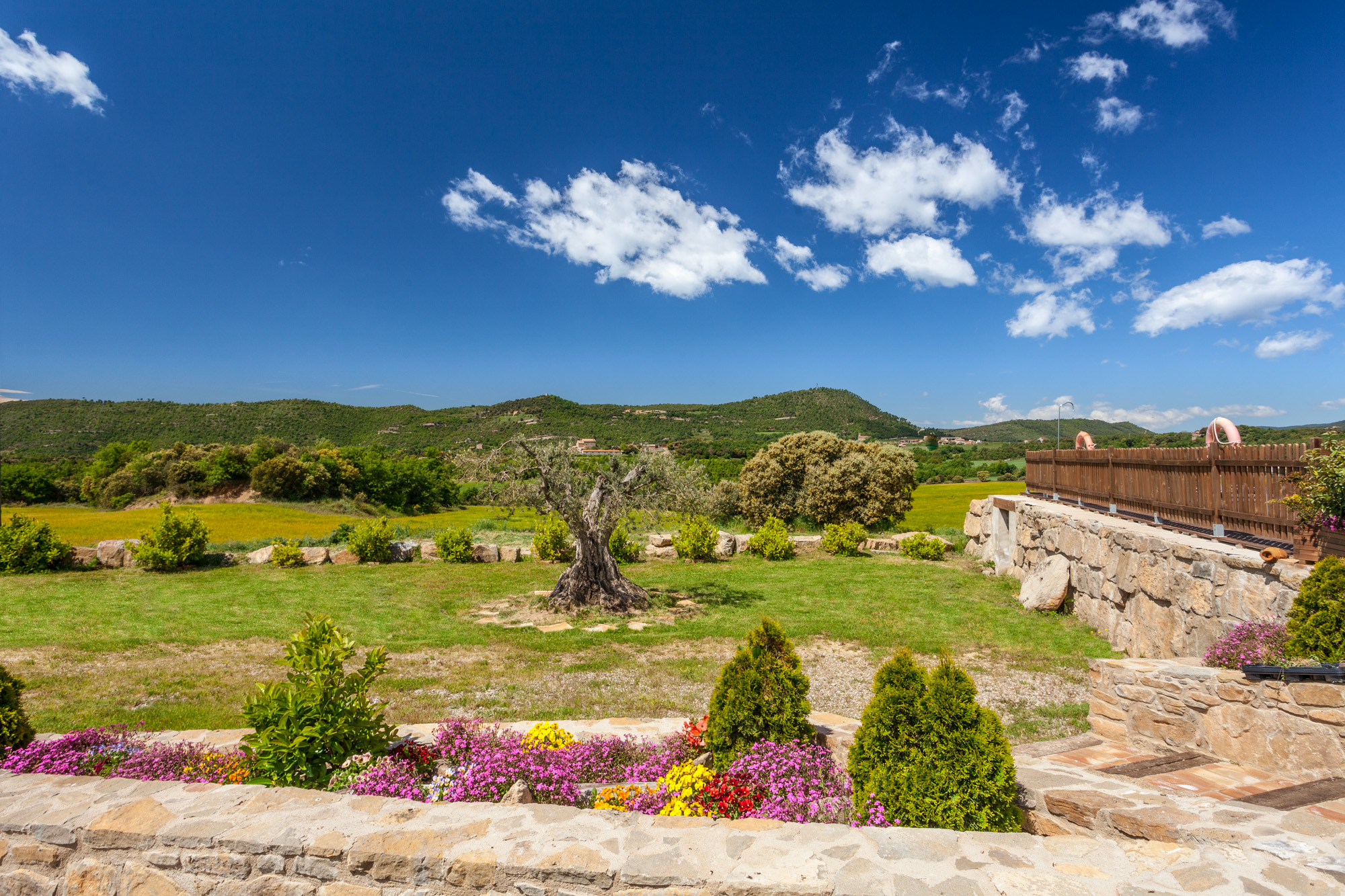
The Berguedà has served as both muse and mirror for Catalan literature. These mountains and valleys witnessed the birth of the Renaixença literary movement, sheltered poets who defined national consciousness, and even sent one native son to influence Latin American magical realism. The region's literary geography connects intimate village life with universal themes of identity, exile, and belonging.
Verdaguer and the Invention of the Pyrenean Sublime
Jacint Verdaguer (1845-1902) did not merely describe the Pyrenees; he mythologised them. His epic Canigó (1886) transformed mountains into metaphor, making geology the foundation of national identity. Verdaguer walked these routes during the 1870s and 1880s when serving as chaplain to the Marquis of Comillas, documenting his journeys in Excursions i Viatges.
The Berguedà appears throughout his work as a space of spiritual elevation. The sanctuary of Queralt, perched above Berga at 1,200 metres, became for Verdaguer a symbol of Marian devotion intertwined with Catalan patriotism. His poetry established a literary tradition linking landscape to collective memory—a pattern later echoed in Romantic nationalisms across Europe.
Verdaguer's impact extends beyond Catalonia. His fusion of geography and mythology parallels the contemporaneous work of Yeats in Ireland and the Finnish Kalevala movement, all using landscape to construct national narratives during periods of cultural awakening.
Josep Pla: Prose as Cartography
Josep Pla (1897-1981) approached the Berguedà with the precision of a surveyor and the empathy of a social historian. In his monumental Guia de Catalunya and throughout his diaries, Pla documented the region's pre-industrial rural economy at the moment of its transformation.
His descriptions capture texture: the stone-by-stone construction of terraced fields, the economics of chestnut harvests, the social hierarchies of market days in Berga. Pla wrote during a period when mechanisation and emigration were hollowing out mountain villages—his prose preserves a world in dissolution. His style, often compared to Montaigne for its digressive wisdom, treats geography as autobiography.
Pla's Berguedà writings offer international readers insight into the broader Mediterranean rural culture of the early 20th century, comparable to Carlo Levi's Christ Stopped at Eboli or John Berger's later portraits of French peasant life.
Ramon Vinyes and the Seeds of Magical Realism
The most unexpected literary connection from the Berguedà reaches across the Atlantic. Ramon Vinyes (1882-1952), born in Berga, emigrated to Colombia and became a central figure in Barranquilla's cultural scene. Gabriel García Márquez immortalised him as the "sabio catalán" (wise Catalan) in One Hundred Years of Solitude.
Vinyes ran a bookshop in Barranquilla that served as intellectual headquarters for the Barranquilla Group, which included García Márquez, Álvaro Cepeda Samudio, and Alfonso Fuenmayor. He introduced them to Joyce, Faulkner, and Virginia Woolf. But he also carried with him stories of La Patum—Berga's medieval festival with its demons, giants, and eagles—a folkloric vocabulary that shares DNA with the fantastic elements of magical realism.
La Patum itself—declared UNESCO Intangible Cultural Heritage in 2005—contains mythological layers dating to pre-Christian fertility rites overlaid with Catholic feast-day traditions. Its combination of fire, drums, and masked figures creates communal ecstasy akin to Carnival traditions across the Mediterranean and Latin America. Vinyes' transplantation of this cultural memory to the Caribbean represents a quiet bridge between Catalan popular culture and Latin American literary innovation.
Literary Routes: Walking the Written Landscape
Several thematic routes allow visitors to physically traverse literary geography:
- Verdaguer Route: From Berga to Queralt sanctuary (7 km, 600m ascent), following the path described in his pilgrimage poems. The route passes Font dels Tres Salts and offers views commemorated in his verse.
- Vinyes Urban Trail: A 2 km circuit through Berga's historic centre, including his birthplace (now marked with a plaque) and the cultural centre named in his honour.
- Pla's Market Circuit: Following his Guia descriptions through villages—Guardiola de Berguedà, Bagà, La Pobla de Lillet—where medieval market structures survive.
These routes function as palimpsests, where contemporary landscape reveals the textual layers of centuries. From La Tor de Montclar, the Verdaguer route to Queralt sanctuary is 20 km by road, or accessible via ancient footpaths connecting Montclar to Berga.
Practical information
15 km to Berga; 20 km to Queralt
Discover Berguedà from La Tor de Montclar
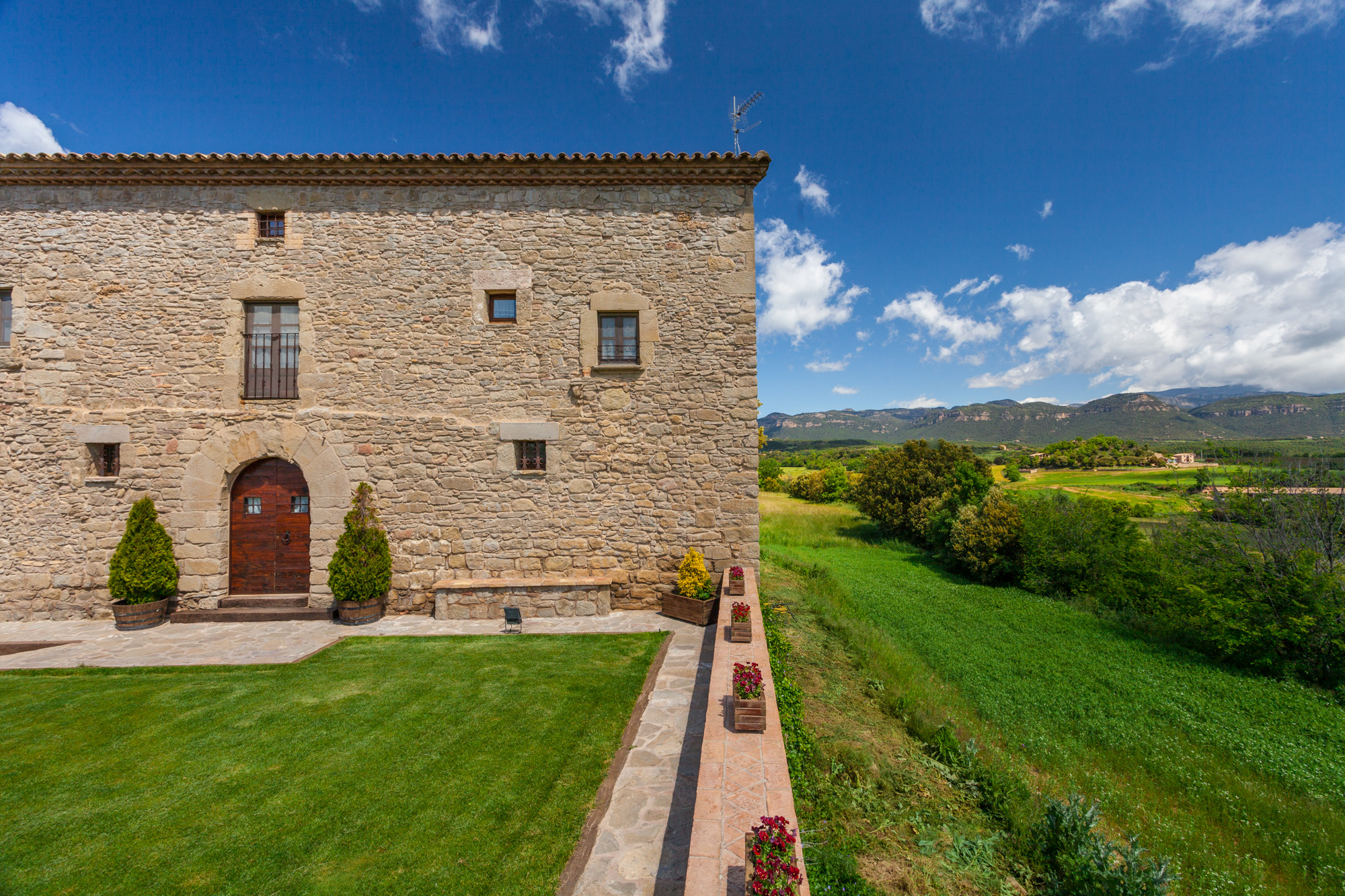
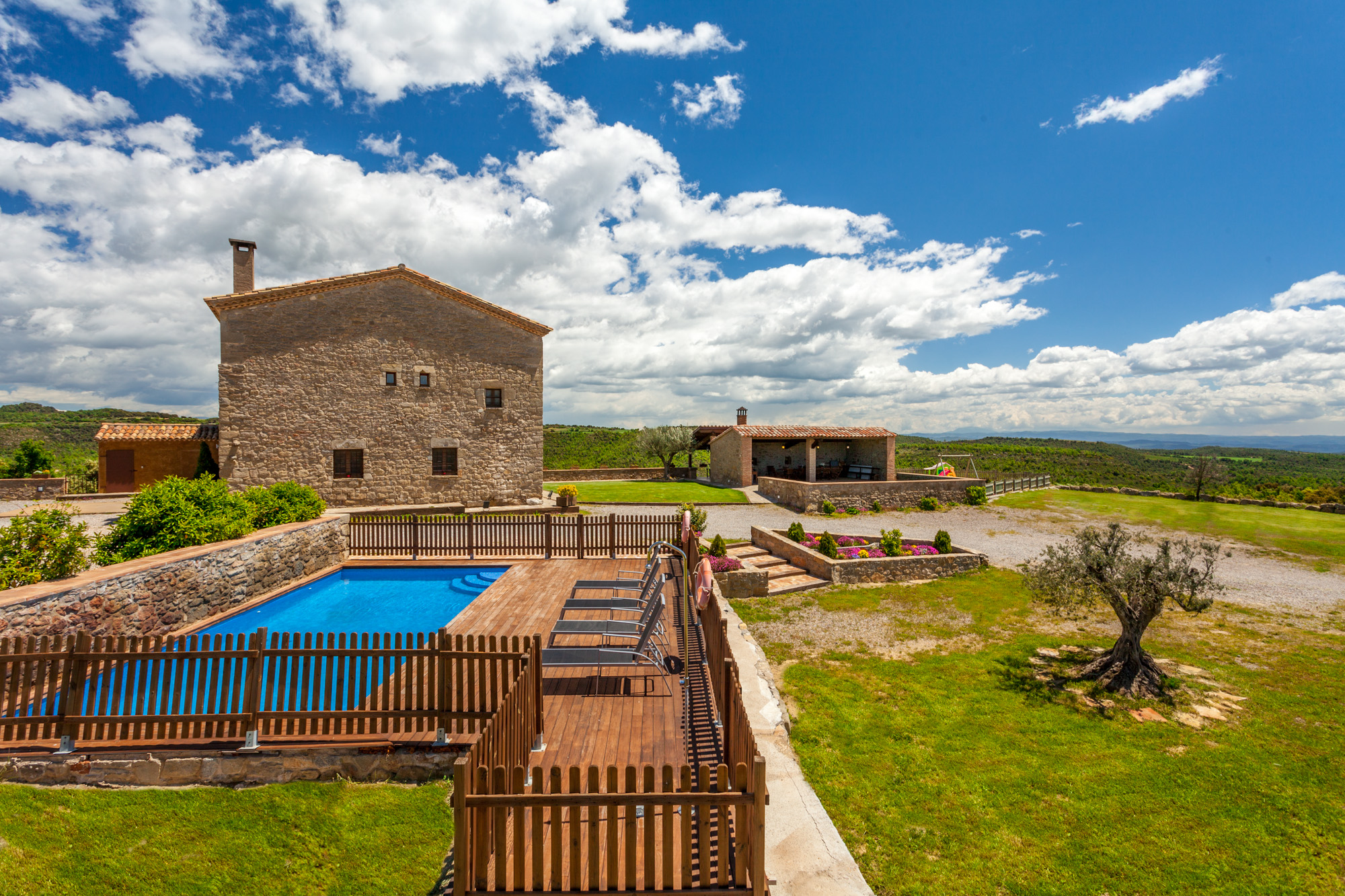
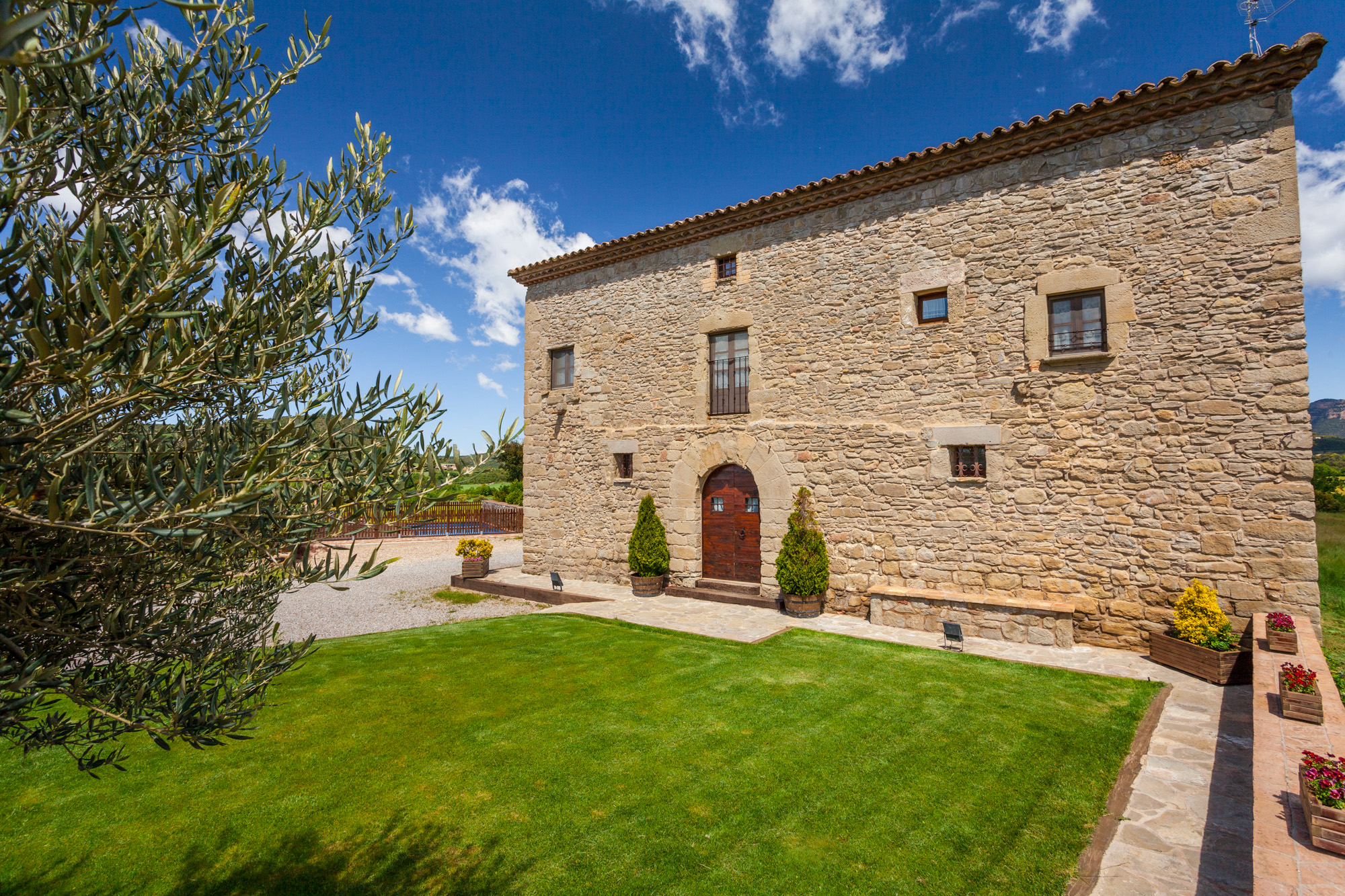
15th-century farmhouse with indoor pool, ideal for groups of up to 20 guests
Check availability