For centuries, the Berguedà's proximity to the French border made smuggling—locally called contraban—an integral part of the regional economy. The imposition of tariffs, monopolies, and prohibitions on cross-border trade created price differentials that smugglers exploited by moving goods clandestinely. This underground economy employed thousands, generated enormous profits, and created a folklore of cunning smugglers outwitting bungling authorities. Yet smuggling was also dangerous: smugglers faced arrest, confiscation, violence from border guards, and death from exposure in mountain storms. Understanding smuggling means understanding how state power, economic incentives, and mountain geography intersect.
Economics of Contraband: Why Smuggle?
Smuggling exists when legal trade becomes unprofitable due to:
- Tariffs: Taxes on imported goods increase legal prices, creating incentive to evade customs. Example: French tobacco taxed heavily in Spain; smuggling French cigarettes into Spain could double profits even after bribes and transport costs.
- Prohibitions: Complete bans on certain goods (e.g., wartime import restrictions, religious prohibitions on "heretical" books) create black markets where smuggled goods command premium prices.
- Monopolies: State-controlled monopolies (salt, tobacco, gunpowder were common European monopolies) sold goods at artificially high prices, making smuggled competitors attractive despite illegality.
- Currency controls: Restrictions on currency movement create demand for unofficial money transfer—smugglers moved gold, jewels, and foreign currency for clients evading capital controls.
The Berguedà's smuggling economy varied by period:
- Medieval-Early Modern (1200-1700): Salt was the primary contraband. The Crown of Aragon imposed salt monopolies; Cardona salt was legally controlled. Smugglers bypassed official distribution, selling directly to consumers at lower prices. Penalties were severe—salt smuggling was sometimes punished by execution, reflecting the commodity's strategic importance.
- 18th-19th centuries: Tobacco emerged as major contraband after Spain established tobacco monopoly (1636). French tobacco, legally produced across the border, was smuggled southward. Coffee, sugar, and textiles also moved as tariff differentials made contraband profitable.
- 1936-1960: Spanish Civil War (1936-39) and subsequent Franco autarky created severe shortages. Smugglers moved essential goods: penicillin (unavailable in Spain until late 1940s), nylon stockings, coffee, foreign currency, and people (refugees, fugitives). This period represented smuggling's peak—enormous demand, high prices, widespread participation.
- 1960-1986: Economic liberalisation reduced incentives, but smuggling persisted until Spain joined the European Community (1986) and abolished internal borders.
Smuggling's profitability is illustrated by a 1950s example: A 25 kg load of coffee purchased legally in France cost 5,000 pesetas; smuggled into Spain, it sold for 15,000 pesetas. A successful smuggler making two trips monthly could earn 20,000 pesetas—ten times a factory worker's wage. This extraordinary income made the risks acceptable for many.
Routes and Methods: Mountain Trade Craft
Berguedà smugglers developed sophisticated operational methods:
- Route selection: Smugglers avoided patrolled valley routes, instead using high mountain passes and ridgeline trails where border guards were sparse. The Pas dels Gosolans (crossing Cadí at 2,400m) and other unmapped routes were known only to locals. Night travel was standard—darkness concealed movement from guards and reduced risk of denunciation.
- Load carrying: Smugglers carried 25-40 kg loads on backpacks (sarriots) designed for weight distribution. Experienced passadors (smugglers) could cover 30-40 km nightly with these loads, navigating by moonlight and topographic memory. Some routes required 8-12 hours continuous walking.
- Caching: Rather than carrying loads the entire distance, smugglers used caves and remote farmsteads as caches. Goods moved in stages: French contacts deposited contraband at border-area caches; Berguedà smugglers collected and moved to lower-elevation caches; final distributors transported to urban markets. This compartmentalisation limited individual exposure—if arrested, smugglers knew only their segment.
- Bribes and informants: Some guards accepted bribes to ignore smuggling at specific times/locations. Informants (xivatos) reported rival smugglers or guard patrol schedules. This created complex social networks of complicity, betrayal, and reciprocity.
- Violence: Confrontations between smugglers and Guardia Civil (Spanish paramilitary police) sometimes turned violent. Guards were armed and authorised to shoot; smugglers occasionally carried weapons for self-defence. Deaths occurred on both sides, though both groups generally preferred avoiding confrontation—smugglers by stealth, guards by focusing on easy arrests rather than dangerous pursuits.
The landscape still reveals smuggling infrastructure:
- Cova del Tabac (Montclar): Named for tobacco caching; the cave's remoteness and multiple chambers made it ideal contraband storage.
- Shepherd huts (cortals): Ostensibly for livestock, some served as smuggling waypoints. Shepherds often participated in smuggling—their legitimate mountain presence provided cover.
- Trail markers: Subtle rock cairns, carved symbols, or deliberately placed stones indicated routes or cache locations to initiated smugglers while remaining invisible to authorities.
Social Dimensions: Smuggling as Community Practice
Smuggling was not marginal criminality but mainstream economic activity involving significant portions of the population:
- Family operations: Smuggling knowledge passed from parents to children. Families specialised—some carried loads, others provided caching, others distributed in markets. This created multigenerational expertise and trust networks.
- Gender roles: While load-carrying was predominantly male, women participated crucially: concealing goods in clothing or market baskets for local distribution, providing safehouses, and managing finances. Some women worked as passadores themselves—authorities were less likely to suspect women, making them effective smugglers.
- Community complicity: Villages near smuggling routes generally supported smugglers—economically (purchasing contraband goods), socially (celebrating successful runs, mourning those killed or arrested), and through silence (not denouncing smugglers to authorities). This solidarity derived partly from shared economic interest and partly from anti-state sentiment—Franco's repressive regime generated widespread resentment, making smuggling an act of resistance as well as profit.
- Moral ambiguity: Church attitudes varied. Officially, smuggling was sinful (theft from the state, violation of law). In practice, many priests tacitly accepted it, recognising economic desperation. Some smugglers were devout, attending mass regularly and donating profits to church improvements—a contradiction never fully resolved.
The figure of Josep Fondevila—the 90-year-old retired smuggler who served as Picasso's model in Gósol (1906)—illustrates how smuggling integrated into respectable life. By age 90, Fondevila had retired and operated the village inn, a position of community standing. His smuggling past was not shameful but part of his biography, even a source of pride (the stories he told Picasso fascinated the artist). This acceptance contrasts sharply with how conventional criminality is stigmatised, revealing smuggling's distinct social status.
Legacy and Memory: Smuggling in Contemporary Culture
With Spain's 1986 entry into the European Community and subsequent Schengen membership, systematic border controls disappeared. Traditional smuggling ended—legal trade became easier than contraband. Yet the memory persists:
- Oral history: Many elderly Berguedà residents remember smuggling firsthand (as participants or witnesses). Local historical societies collect these testimonies, preserving knowledge of routes, techniques, and experiences before the generation dies.
- Place names: Cova del Tabac, Font del Contrabandista, Pas dels Passadors—toponyms preserving smuggling associations.
- Literature and folklore: Smugglers appear as romantic figures in Catalan literature—resourceful, brave, outwitting oppressive authority. This romanticisation overlooks dangers and violence but reflects genuine folk admiration for smugglers' courage and skill.
- Tourism: Some areas market "smugglers' routes" as heritage trails. These initiatives commodify history but also preserve landscape knowledge—trails once known only to smugglers are now maintained and signposted.
Walking former smuggling routes today offers reflection on several themes:
- State power and resistance: Borders are political constructs enforced through violence (guards, prisons). Smuggling represented resistance to this power—sometimes ideologically motivated (anti-Franco smugglers moving republican fugitives), more often economically motivated (profit-seeking), but always an assertion that state authority was not absolute.
- Economic geography: Smuggling demonstrates how price differentials create spatial arbitrage opportunities. The same economic logic drives contemporary cross-border shopping, though now legal.
- Landscape as archive: The physical landscape preserves evidence of smuggling—caves, trails, caches—often more durably than written records. Reading landscape as historical text reveals activities official archives ignore or suppress.
From La Tor de Montclar:
- Cova del Tabac area: 3 km (forest walk, 10-15 min)
- Former smuggling routes to Cerdanya: Multiple access points via GR trails, 20-40 km to trailheads
Walking these routes—especially the high passes at night under moonlight, as smugglers did—provides embodied understanding of the physical effort, navigational skill, and courage required. Contemporary hikers carry lightweight technical gear, use GPS, and can call rescue services if needed. Smugglers had none of this, yet navigated successfully in all weathers, carrying heavy loads, under threat of arrest or death. The landscape remains; the context has transformed; the echo of those journeys persists for those willing to listen.
Practical information
0 km (smuggling history surrounds Montclar; Cova del Tabac 3 km)
Discover Berguedà from La Tor de Montclar
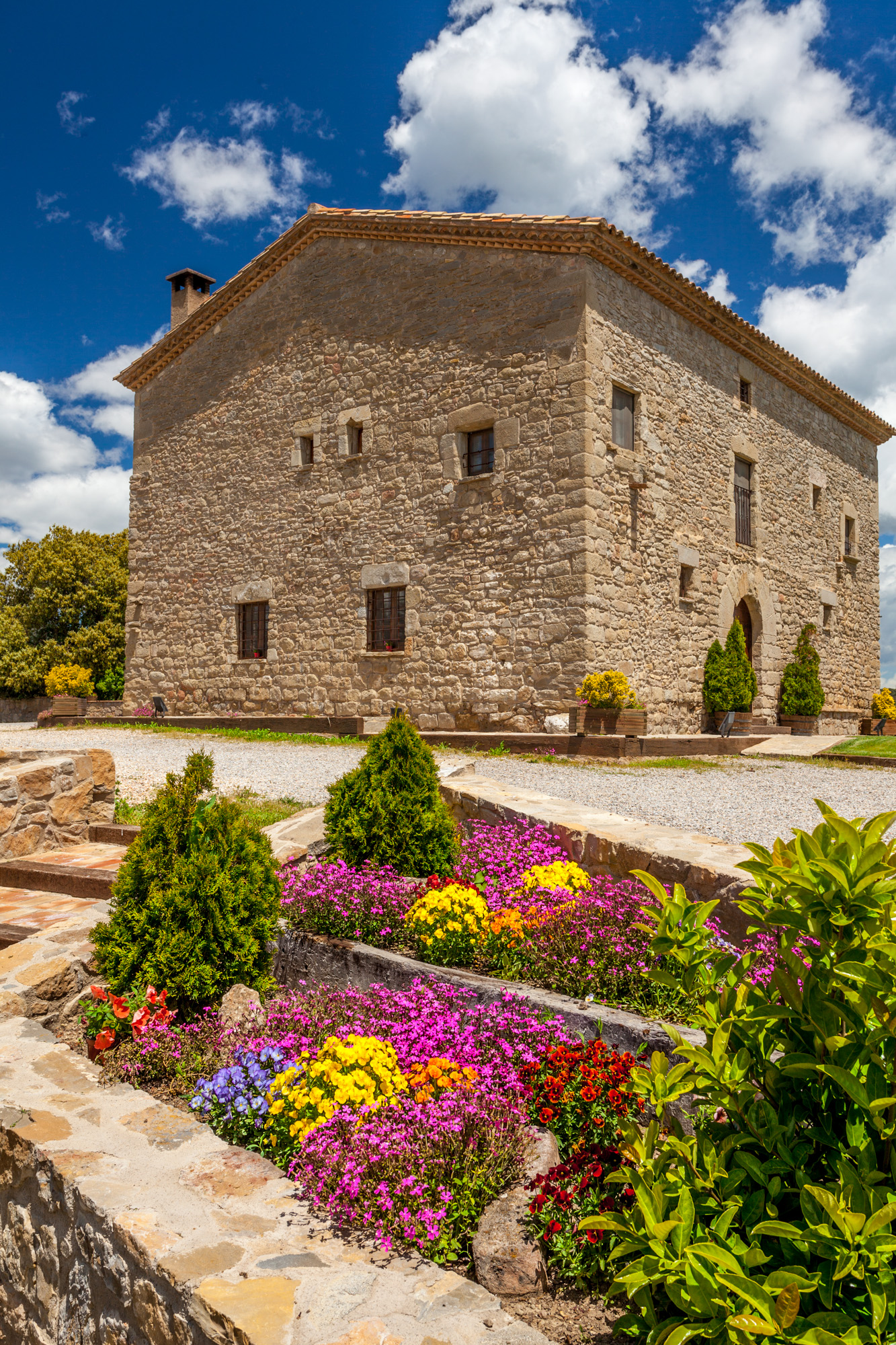
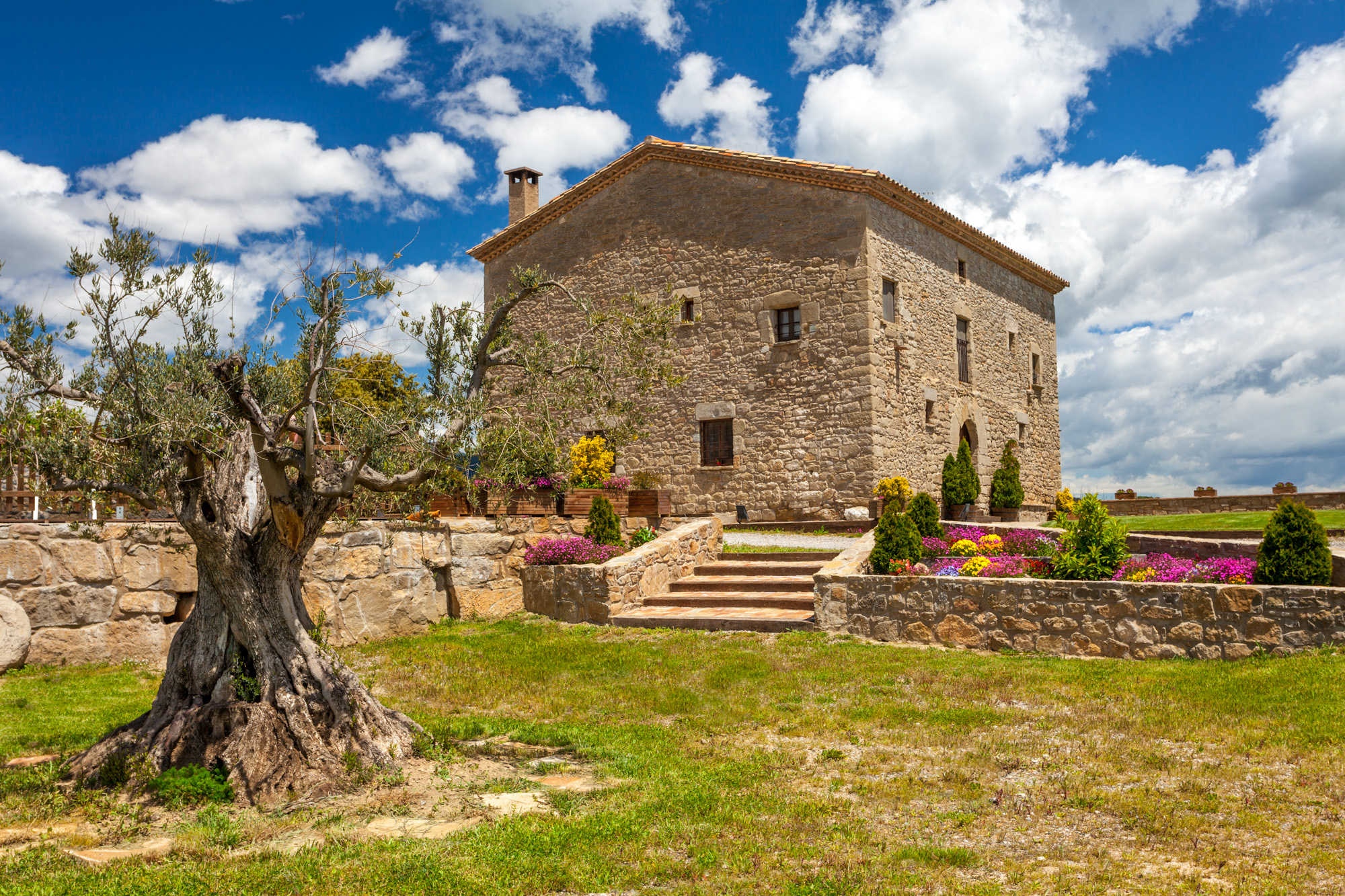
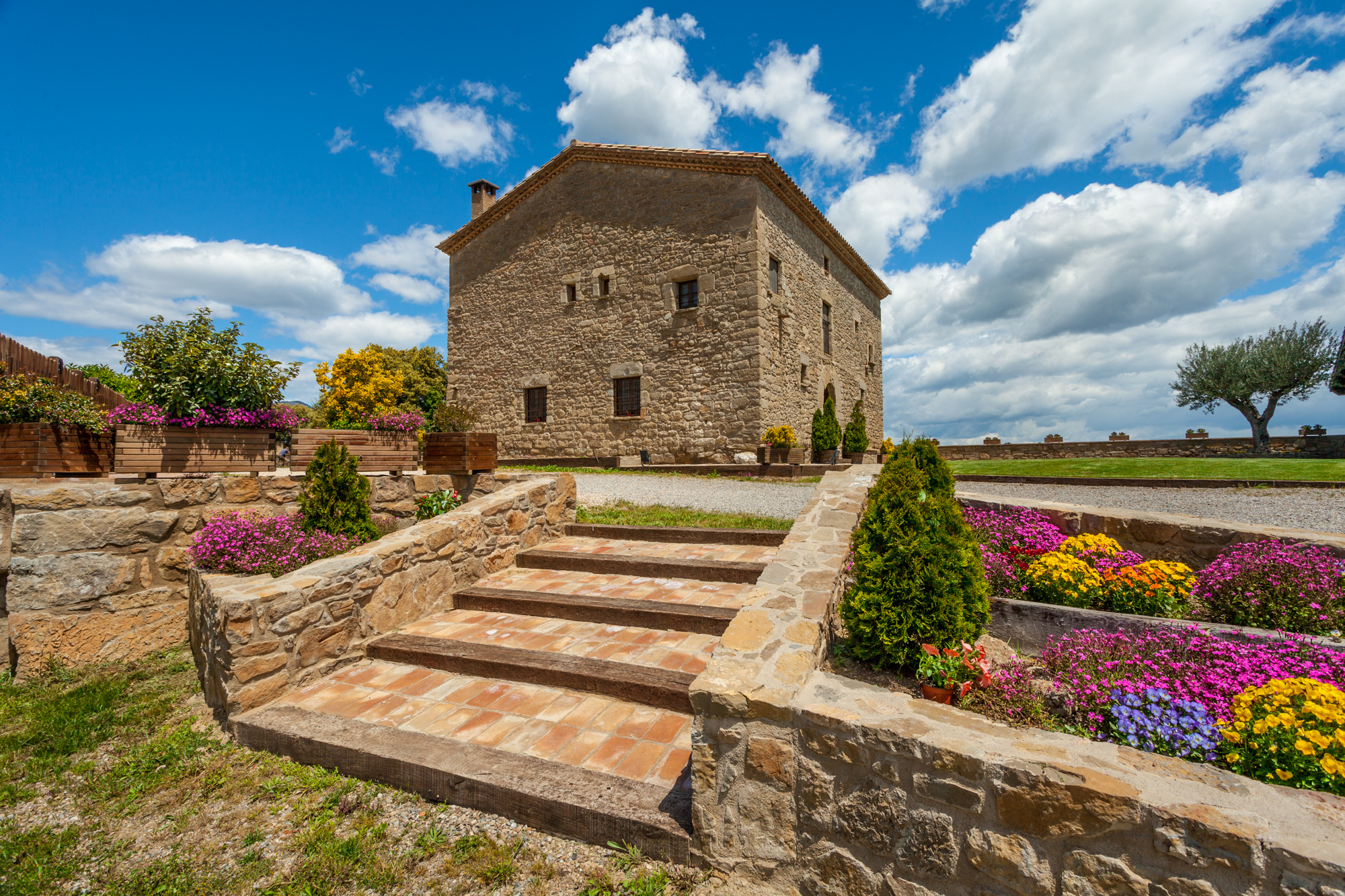
15th-century farmhouse with indoor pool, ideal for groups of up to 20 guests
Check availability